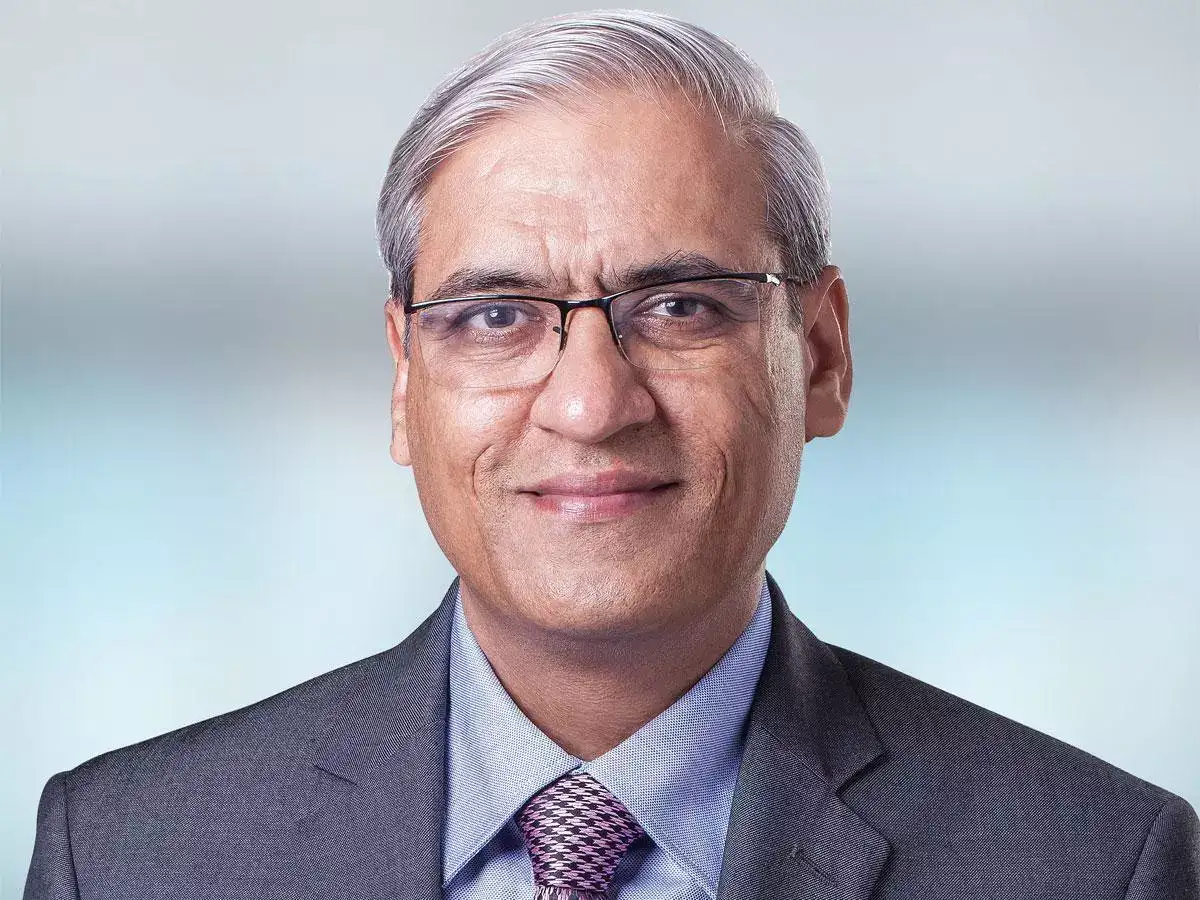
India’s oil marketing companies (OMCs) are facing mounting pressure as under-recoveries continue to widen amid elevated crude oil disruptions and an uncertain global supply environment. MK Surana, Former CMD, HPCL warned that the financial stress on fuel retailers is intensifying and may eventually force difficult policy decisions, including a possible hike in retail fuel prices.
Speaking to ET Now, Surana said the market may still not be fully pricing in the severity of the crude supply disruption. He pointed out that despite softer Chinese demand and the release of strategic reserves globally, the scale of the ongoing supply outage remains significant.
“Yes, that is correct, the under recovery of the OMC is a big concern and day by day it is becoming a bigger concern and that is on the back of the fact that probably the market is still not fully factoring in the problem which we have on the crude market,” Surana said.
He added, “If you are having around 10 million barrels a day outage from the market and going on for around 75 days and not yet any solution in the mind and the oil marketing companies not able to recover even the cost of the crude, it is a big concern, and the distress will increase day by day.”
The comments come at a time when the government has maintained that there is no immediate plan to raise retail fuel prices. However, Surana believes that the financial strain on OMCs cannot be ignored indefinitely.
“See, the distress on the oil marketing companies have to be taken care of. There is no doubt about it,” he said. “There is no denial that price hike is one of the options and at some point of time it will be inevitable.”
According to him, policymakers may have to decide whether the burden should be passed on partially to consumers or absorbed through alternate compensation mechanisms.
He noted that excise duty cuts undertaken earlier had already narrowed the government’s room for maneuver.
Surana also indicated that if price revisions are delayed for too long, the eventual increase may have to be sharper to offset the accumulated under-recoveries.
“While at one end we can say it is difficult to increase it at a time, but at the same time if we do not increase it substantially, then every day passing that the under recovery pool will increase,” he said. “Therefore, in my opinion initially a bigger hike will be required, may not be 100% and then maybe gradually increased in partial amounts.”
Beyond pricing, Surana stressed the need for responsible fuel consumption and efficiency improvements. Referring to the government’s recent emphasis on consumption patterns, he highlighted the difference between essential and discretionary usage.
“There are discretionary things also, probably at least it will give an alarm bell in the mind of the people to contain that,” he said, citing examples such as short-distance car usage for routine errands.
He also linked the broader call for consumption discipline to India’s import bill, pointing out the sharp rise in gold and silver imports over the past year. According to Surana, the message from policymakers is aimed at encouraging both short-term restraint and long-term efficiency.
“As far as the fuel is concerned, it has to be worked on all the front, the consumption, the use, the efficiencies, the repurposing of the molecules, all thing has to be attacked together to ensure that we get the most optimum output from each molecule of crude which we are importing,” he said.
On the issue of burden-sharing within the energy sector, Surana noted that upstream companies could once again be asked to absorb a portion of the financial stress, as has happened in the past. His comments came after the government reduced royalty rates for upstream firms.
“Now, we have to agree that it cannot happen that one part of the sector earns the profit and other part of the sector assumes losses,” he said.
At the same time, he clarified that the royalty reduction may have been part of a longer-term policy framework rather than an immediate relief measure linked to current OMC losses.
Surana also emphasized that while petrol and diesel are technically deregulated products, LPG remains under a controlled pricing framework where compensation mechanisms already exist. He suggested that the government may need to explore additional “innovative ways” to ensure OMCs remain financially healthy during the current phase of elevated energy stress.