Good morning. Taking on a dual role is no small feat. But how do you simultaneously run two of the government’s largest agencies, each with a budget in the billions?
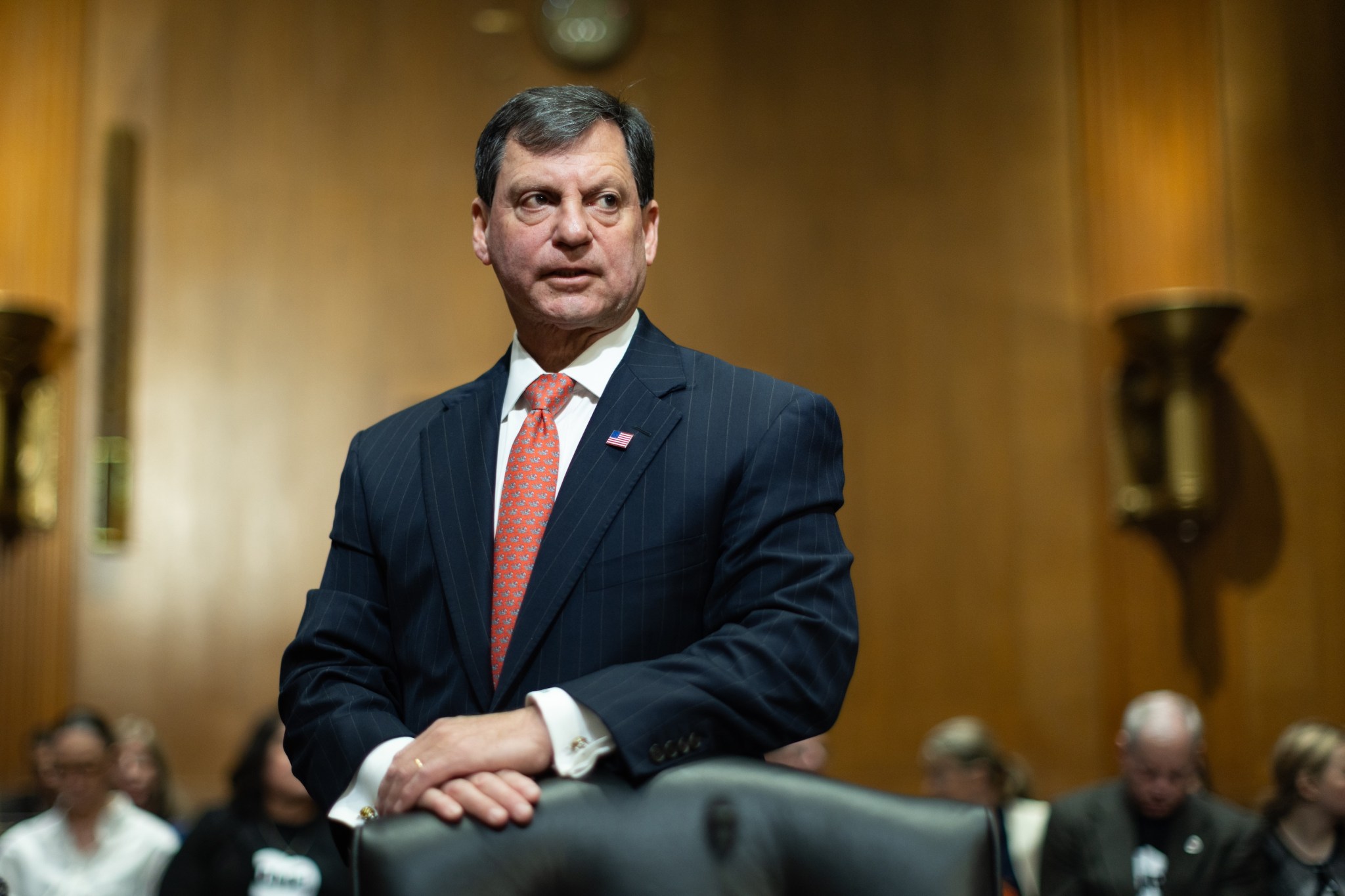
Frank J. Bisignano, the current commissioner of the Social Security Administration (SSA), has taken on that challenge. He was appointed to the newly created role of CEO of the Internal Revenue Service, making him the top day-to-day leader of the IRS as well. For a new Fortune feature, my colleague Shawn Tully sat down with Bisignano to discuss what it takes to tackle two massive jobs at once.
Bisignano previously spent most of his career in large financial institutions and fintech companies, including serving as CEO of both Fiserv and First Data. Earlier in his career, he was co–chief operating officer of J.P. Morgan Chase and CEO of its mortgage banking unit.
Now, Bisignano is running the SSA and IRS much like the private sector firms he has made a career of fixing, according to Tully. He oversees both the largest retirement system in the world—which pays out $1.5 trillion annually to more than 70 million beneficiaries—and what Tully calls “a planet-topping revenue machine” that collects more than $5 trillion in annual taxes, funding over 90% of the federal government’s operations.
What Tully emphasizes about Bisignano is that he’s an operator, not a bureaucrat. “He’s bringing his restructuring skills to two areas that feature combined operating budgets of over $30 billion and workforces totaling around 150,000—and that famously need a big lift in efficiency and customer service,” Tully writes.
Bisignano’s push to modernize the IRS, in particular, should be closely watched by finance and accounting professionals who interact with the agency. Drawing on his experience leading digital transformations in the private sector, he is taking a more technology-driven approach to tax administration.
For companies and advisors, that could mean faster routine processing—but also more data-driven enforcement and less tolerance for inefficient documentation—making it increasingly important to upgrade systems, controls, and outreach strategies. To go deeper, you can read the full article here.
Sheryl Estrada
sheryl.estrada@fortune.com