
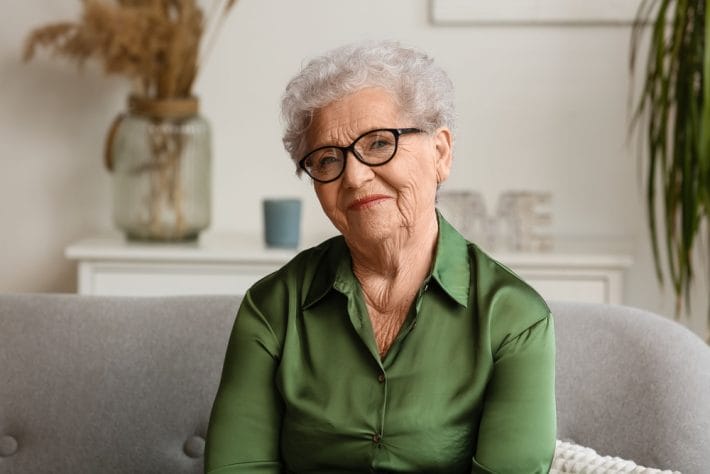
A major language shift is happening across newsrooms, marketing campaigns, healthcare organizations, and media outlets in 2026. Terms like “elderly” and even “senior citizen” are increasingly being replaced with phrases such as “older adults,” “active agers,” and generation-specific labels like “Generation Jones.” The change reflects growing awareness about ageism and the reality that Americans over 55 no longer fit a single stereotype. Many adults in their late 50s, 60s, and 70s remain active professionally, socially, financially, and physically, making older labels feel outdated or even insulting to some audiences. Here is why so mnay media outlets are changing their language and how they refer to older adults.
Many Older Adults Dislike the Word “Elderly”
One major reason media outlets are changing terminology is that many people actively dislike the word “elderly.” Researchers and advocacy organizations increasingly argue that the term carries negative associations tied to frailty, dependency, and decline. The Pew Research Center has previously noted that many organizations intentionally avoid the term because it is widely viewed as objectionable or imprecise. Recent studies examining age-related language also found that “elderly” is frequently associated with stereotypes that portray older adults as weak, isolated, or incapable. As a result, more journalists and editors now prefer neutral alternatives like “older adults” or “older Americans.”
“Generation Jones” Reflects a Desire for Identity, Not Decline
Generation Jones typically refers to people born between the mid-1950s and mid-1960s who feel culturally distinct from older Baby Boomers. Many within this group reject labels associated with traditional retirement culture because they still see themselves as highly active and engaged. Generation-based labels feel more empowering because they emphasize shared experiences instead of age-related decline. Advertisers increasingly use identity-driven language because older audiences respond more positively to messaging centered around lifestyle, vitality, and independence rather than aging stereotypes.
Media Companies Are Becoming More Aware of Ageism
The broader push away from “elderly” language is also tied to growing awareness of media-driven ageism. Researchers say negative portrayals of aging can shape public attitudes and reinforce harmful stereotypes about older adults. The University of Florida Medical Physiology Online program recently highlighted how the media often portrays older people as frail, out of touch, or dependent. Journalism groups and aging organizations have since encouraged reporters to use more accurate, respectful language that reflects the diversity of later life experiences. In practical terms, that means fewer headlines using “the elderly” and more stories focusing on active lifestyles, entrepreneurship, caregiving, wellness, and financial independence among older adults.
The Wellness Industry Is Changing the Conversation Around Aging
Modern health campaigns increasingly focus on “healthy aging,” “active aging,” and “healthspan” instead of decline-focused messaging. Companies targeting adults over 50 often avoid age-heavy terminology entirely because consumers respond more favorably to aspirational branding. Survey data tied to that campaign found many Americans viewed negative aging language as emotionally limiting rather than realistic. That cultural shift is reshaping not only advertising but also journalism and healthcare communications.
Older Consumers Have Enormous Economic Influence
Another reason media outlets are changing terminology is simple economics. Americans over 50 control a massive share of consumer spending power in the United States, making them one of the most valuable audiences for advertisers and publishers. Marketing experts know people are less likely to engage with messaging that feels patronizing or outdated. Terms like “elderly” can unintentionally signal helplessness or irrelevance, which conflicts with how many adults actually see themselves today. Media outlets increasingly recognize that audiences in their 60s may still be traveling, working, dating, caregiving, exercising, investing, and starting businesses. More modern language helps companies connect with that reality instead of reinforcing stereotypes from previous generations.
The Language Around Aging Is Changing Because Older Adults Are Changing Too
Media outlets, healthcare organizations, advertisers, and researchers increasingly recognize that older adults represent an incredibly diverse population with different lifestyles, abilities, and identities. Terms like “Generation Jones” resonate because they emphasize culture and experience instead of weakness or dependency. As active aging, longevity science, and ageism awareness continue expanding, language surrounding older generations will likely keep evolving as well. In many ways, the disappearance of the “elderly” label signals a broader effort to redefine what aging actually looks like today.
Do you think terms like “elderly” and “senior citizen” still make sense today, or should media outlets continue changing how they describe older adults? Share your thoughts in the comments below.
What to Read Next
Ohio Seniors: Why More Local Banks Are Adding Elder Fraud Protections to Accounts in 2026