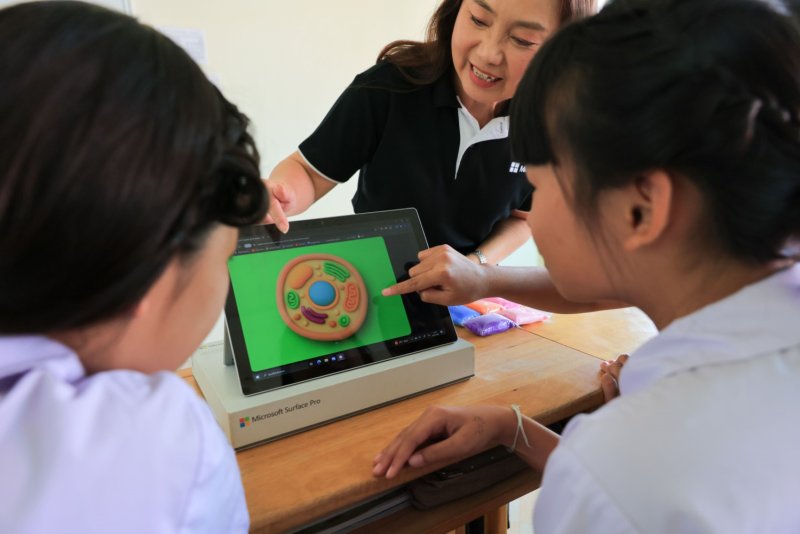
Artificial intelligence (AI) has dramatically changed the classroom atmosphere in many schools. “Wow! This is amazing!” This is just one of the reactions from young students as their teacher demonstrates how AI features of Microsoft Immersive Reader, a Microsoft AI tool, helps them focus and read with greater ease and confidence. As a result, classroom energy remains high. Students are now more engaged and enthusiastic.
Behind the scenes, teachers are also undergoing a transformation of their own. With AI-powered tools supporting different learning needs, they have discovered ways to spend less time on routine tasks, and more time to focus on what matters most: the growth and progress of each student.
This transformation is already happening at Wattana Wittaya Academy, Thailand’s first and oldest boarding school for girls. Here, technology does more than add value. It has become an integral part of the entire learning experience; an essential tool that elevates learning capability to better prepare students for the demanding challenges of the real world.
Recognising the growing importance of AI in education, the school has joined the Microsoft Showcase School programme under Microsoft Elevate for Educators. Through this initiative, educators and school leaders gain access to a wider global community, where ongoing professional development and availability of practical resources empower them to confidently integrate AI into effective teaching and learning experiences.
Lantip Dvadasin, manager of Wattana Wittaya Academy, explained why the school joined this programme. “In today’s world, leadership requires digital fluency and adaptability. Integrating the Microsoft Showcase School model is a strategic initiative to enhance the digital competitiveness of both our teachers and students, equipping them to thrive in a rapidly evolving global landscape,” she said.
Elevate the skills, expand the network
Committed to advancing digital equity, Microsoft has long supported educators in building digital capabilities. Its efforts focus on programmes, credentials, technologies, and investment that can be amplified through public private partnerships.
This commitment is being delivered through close partnerships with government agencies, including the Ministry of Education’s Office of the Basic Education Commission (OBEC), the Office of the Vocational Education Commission (OVEC), the Institute for the Promotion of Teaching Science and Technology (IPST), and the Electronic Transactions Development Agency (ETDA). Together, they aim to train and certified more than 150,000 educators across primary, secondary, and vocational levels this year.
Making learning engaging
The Microsoft Elevate initiative has already shown positive results. In many schools, teachers are gaining valuable AI skills, enabling them to create engaging lesson plans, dynamic worksheets, and other fun activities that keep students enthusiastic and motivated to learn. “What once took hours can now be completed in minutes with the help of AI,” one teacher shared joyfully.
Microsoft Thailand’s recent AI Impact Survey from the AI for Teachers Program reinforces these trends. Among 1,414 educators nationwide, 67.2% (950 teachers) already use AI in the classroom. On average, they save four hours per week, the equivalent of 95 full-time teachers annually, freeing time to focus on student learning rather than administrative tasks.
The impact extends beyond efficiency. About 76.3% of respondents report noticeable gains in student engagement, while 88.6% of schools have implemented or are developing AI guidelines. This signals a clear shift from basic awareness to practical integration.
The findings also highlight growing attention to responsible AI use, including safety, digital resilience, and prompt design. Students are using AI to brainstorm and summarise more effectively, and improvements in exam performance and work quality suggest a deeper level of understanding overall.
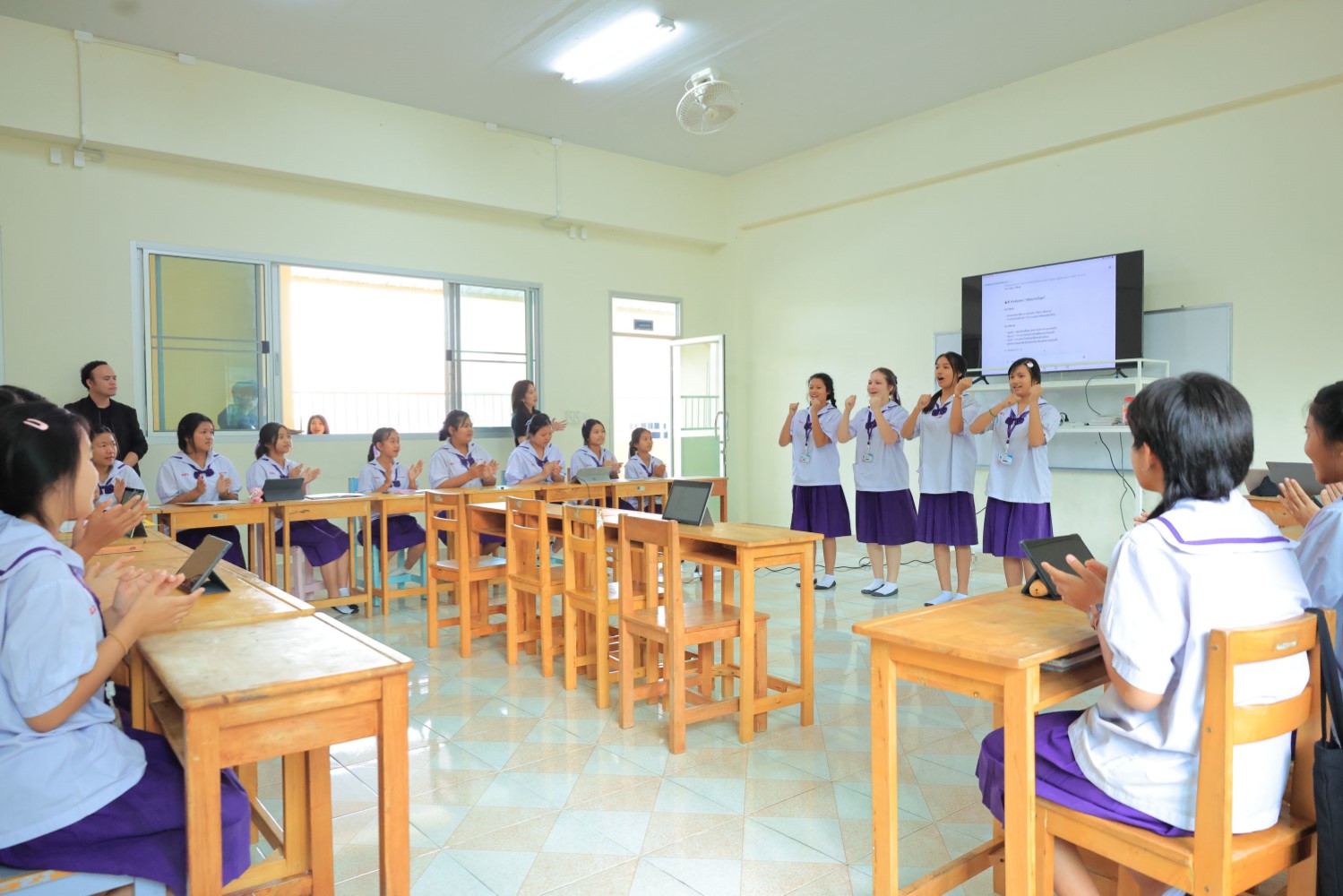
In classrooms at Wattana Wittaya Academy and Dhammajarinee Wittaya School in Ratchaburi province, traditional text-heavy materials give way to visual, interactive learning with images, animations, and games. Lessons may begin with a simple mood check or a lively quiz, helping teachers quickly gauge student readiness.
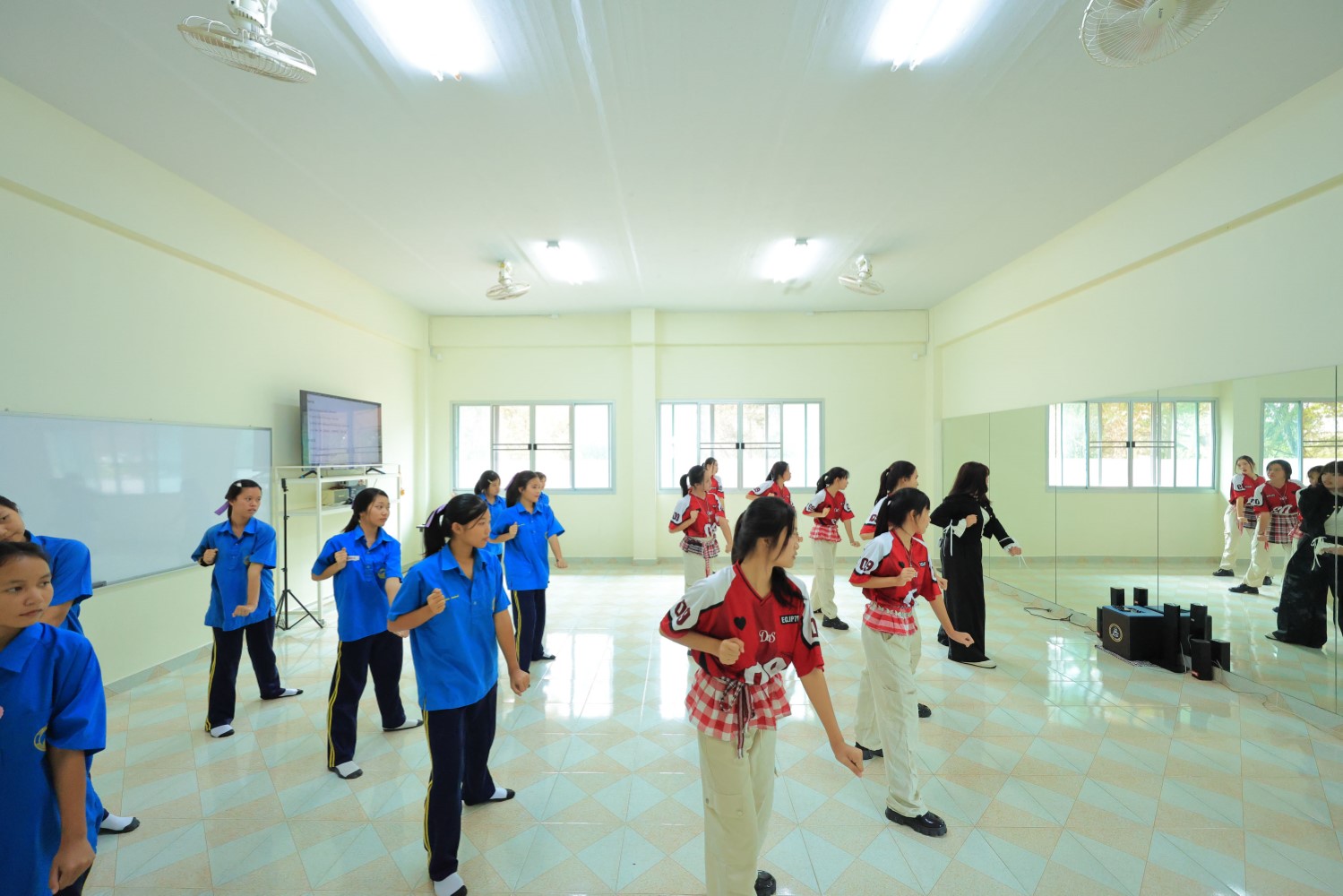
At Dhammajarinee Wittaya School, the Cover Dance class is full of energy. With AI, students explore every aspect of performance — from interpreting songs and designing culturally inspired costumes to choreography and preparing a final showcase. Meanwhile, in tech classes, students are learning Python coding, with one recently winning a national competition.
Think wisely, use responsibly
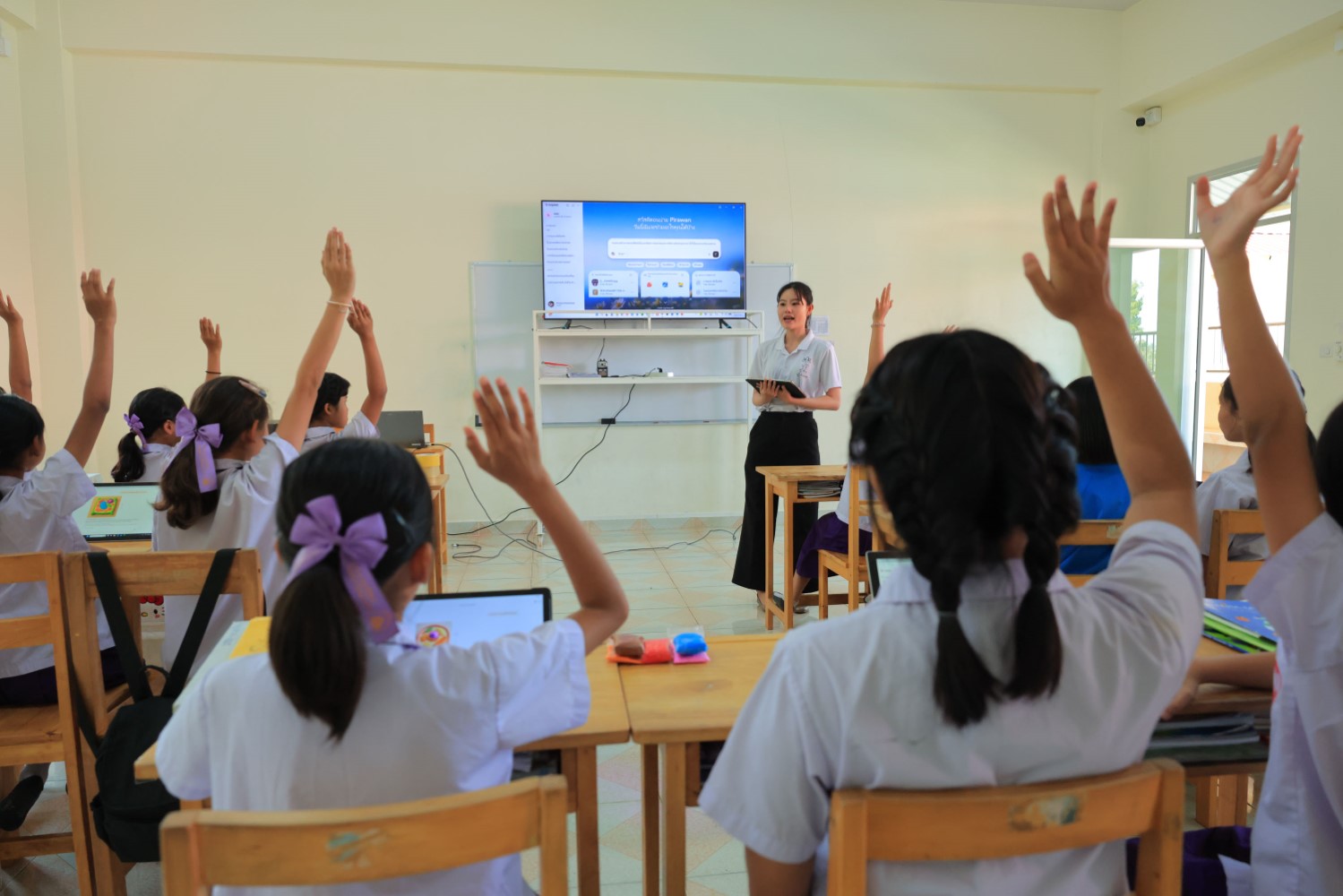
In addition to creating a more active learning atmosphere, AI is also helping to enhance teachers’ skills and capabilities. Indeed, a teacher’s role in the AI-driven world is shifting from merely teaching to showing and encouraging students to formulate and ask sensible questions, as well as evaluate and verify the reliability of information and AI-generated content.
According to Nontakan Dankitti, a teacher at Dhammajarinee Wittaya School, “Our students will grow up and live with technology their entire life. What we are doing now is teaching them how to use AI correctly, and to encourage them to think, analyse, ask questions, and evaluate all data and information obtained from several sources. More importantly, they must use technology ethically and responsibly for their own benefit and society as a whole. As far as teachers are concerned, as technology progresses, we have to always learn and keep ourselves updated too. That’s a real lifelong learning practice.”
Technology is advancing rapidly, while challenges facing schools and educators continue to grow. This makes it increasingly important to ensure students are equipped with the real-world skills they need to succeed confidently in both education and future careers. The Microsoft Elevate programme is designed to help address this need.
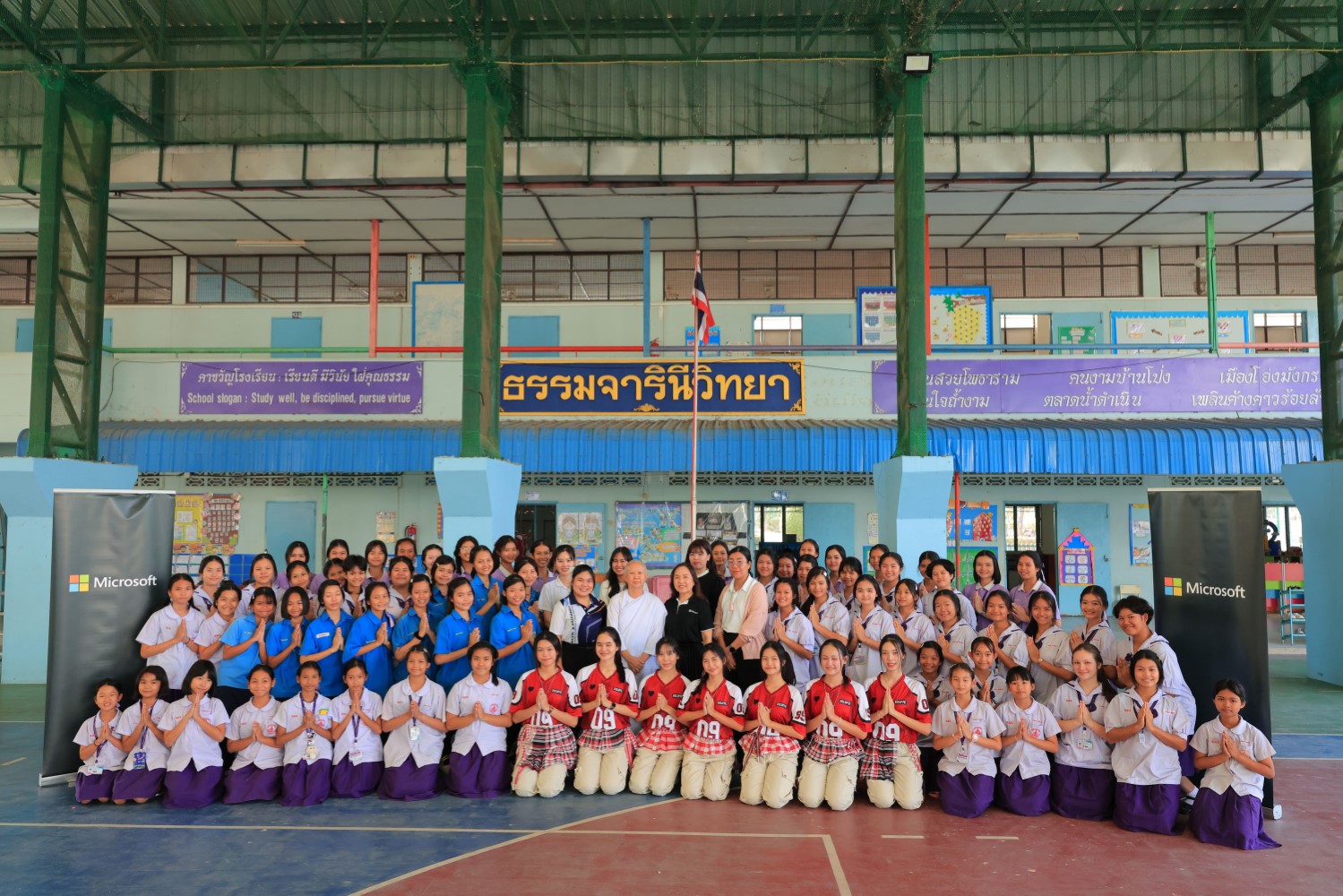
“When today’s children are fully equipped for the future, they will grow up to become part of a strong and capable workforce. Technology will enable them to develop new life skills and acquire a problem-solving proficiency that will help them keep pace with the rapidly changing world. They will be able to create and develop skills required to build their own career and become self-reliant individuals. New skills, like AI skills, are a bridge that will connect and lead them to a successful path in life,” said Dr Aunampai Passakchai, director of Dhammajarinee Witthaya School.