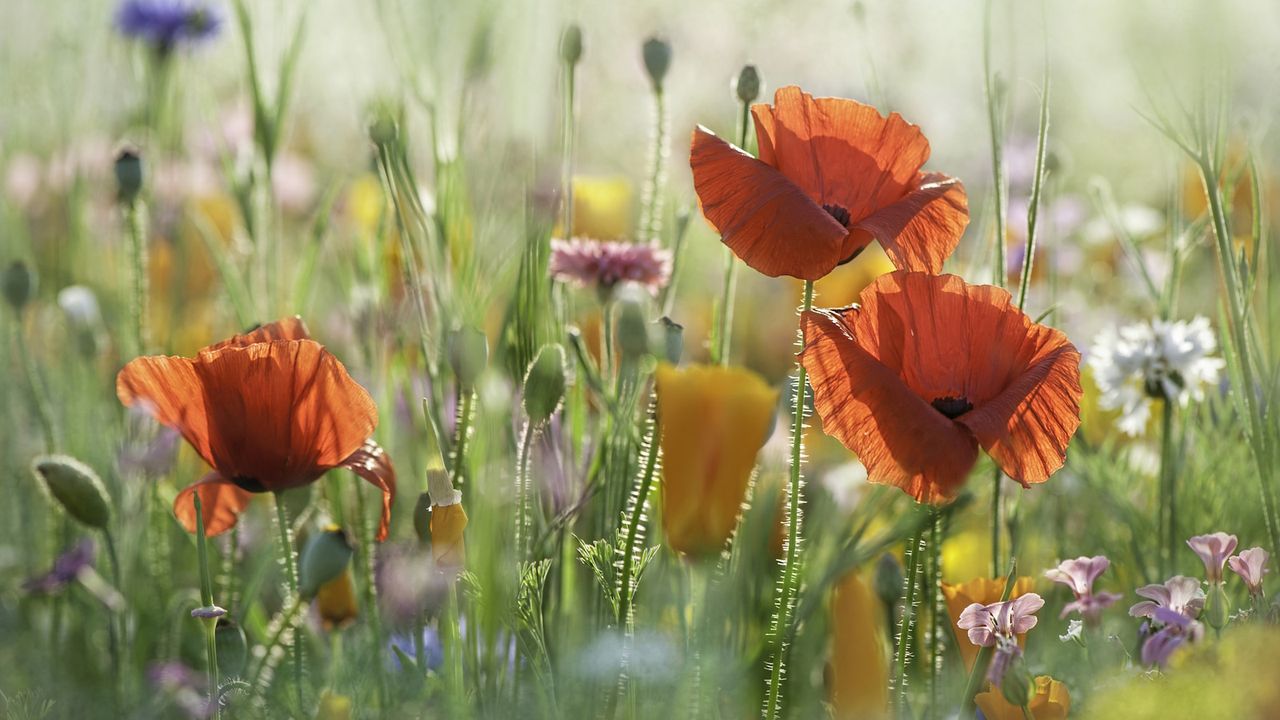
There’s something irresistibly romantic about flowers tied to the calendar: those quiet markers of the season that root us to a particular moment in the year. While birth month flowers are usually thought of in terms of traditional cut flowers, there’s a growing desire to look beyond the conventional and celebrate wild and native beauty that grows untamed in our meadows, prairies, and roadsides.
Choosing a birth month wildflower feels especially meaningful because these plants are naturally in bloom when we mark our arrival into this world. They reflect the true rhythm of the landscape, from the first phacelias braving the chill of January to the asters that brighten the shortening days of fall.
Whether you’re seeking a symbolic planting for a new arrival, looking to build a garden with deeper emotional resonance, or simply want to celebrate the quiet magic of each month, these native wildflowers offer inspiration in abundance.
12 birth month wildflowers
For gardeners, birth month wildflowers offer an invitation to design with seasonality in mind, with each bloom capturing the essence of its season.
Below, you’ll find a wildflower for every birth month; and all are easy to grow from seed or young plants.
January: Phacelia parryi
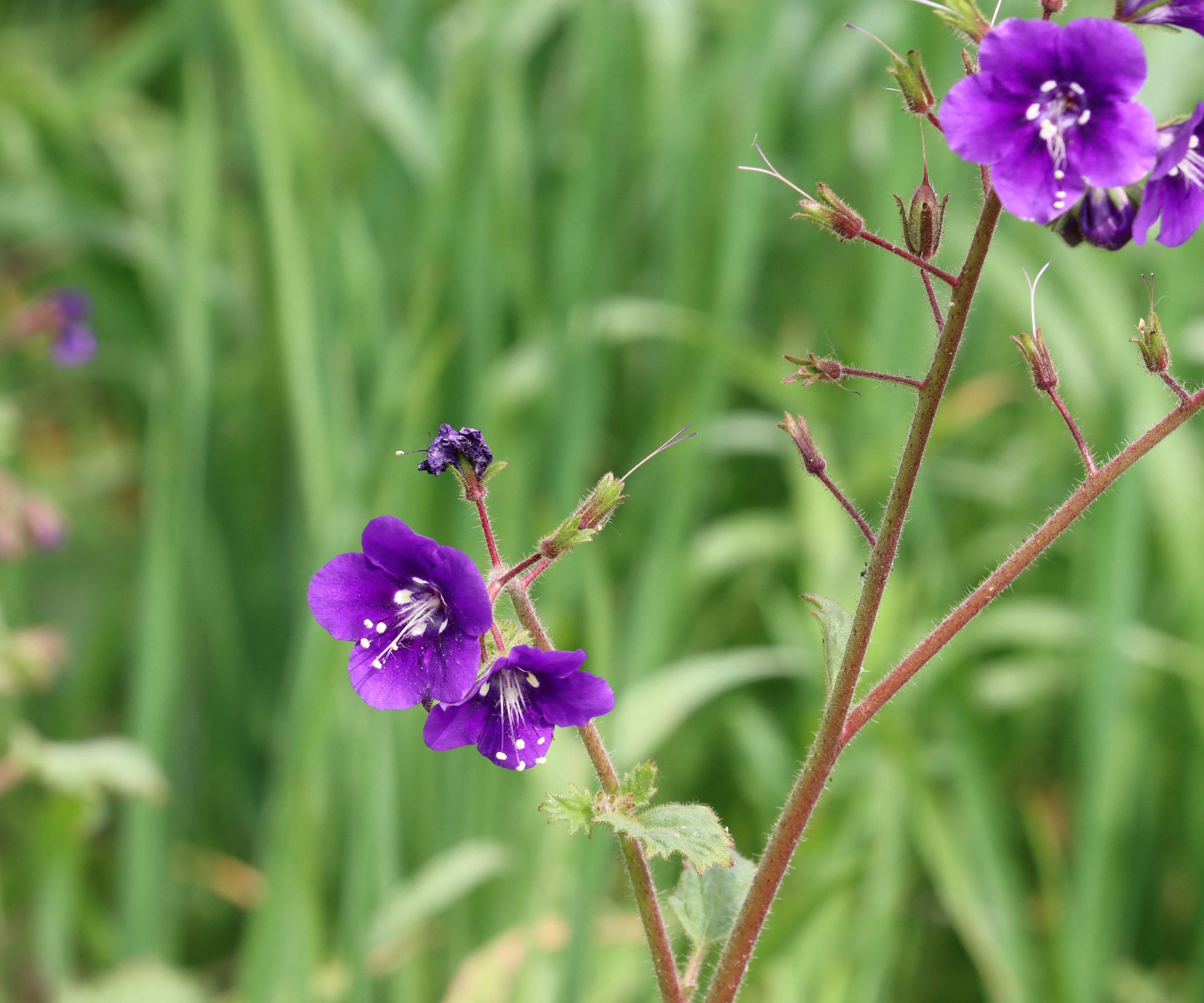
Phacelia parryi, or Parry's phacelia, is a true symbol of resilience and hope. It is a California-native wildflower that begins blooming in harsh winter conditions and is an early nectar source for pollinators. As such, it represents strength and the promise of new beginnings.
In the warmest desert regions, this delicate lilac wildflower starts blooming in mid-winter.
It is seen later in the year in colder zones, around late April and early May. You can sow seeds directly into the ground anytime from March through September.
Native seed suppliers in the Southwest often carry phacelia mixes, and you can also find the similar Phacelia campanularia seeds, also known as Desert Bluebell, at True Leaf Market.
February: California Poppy
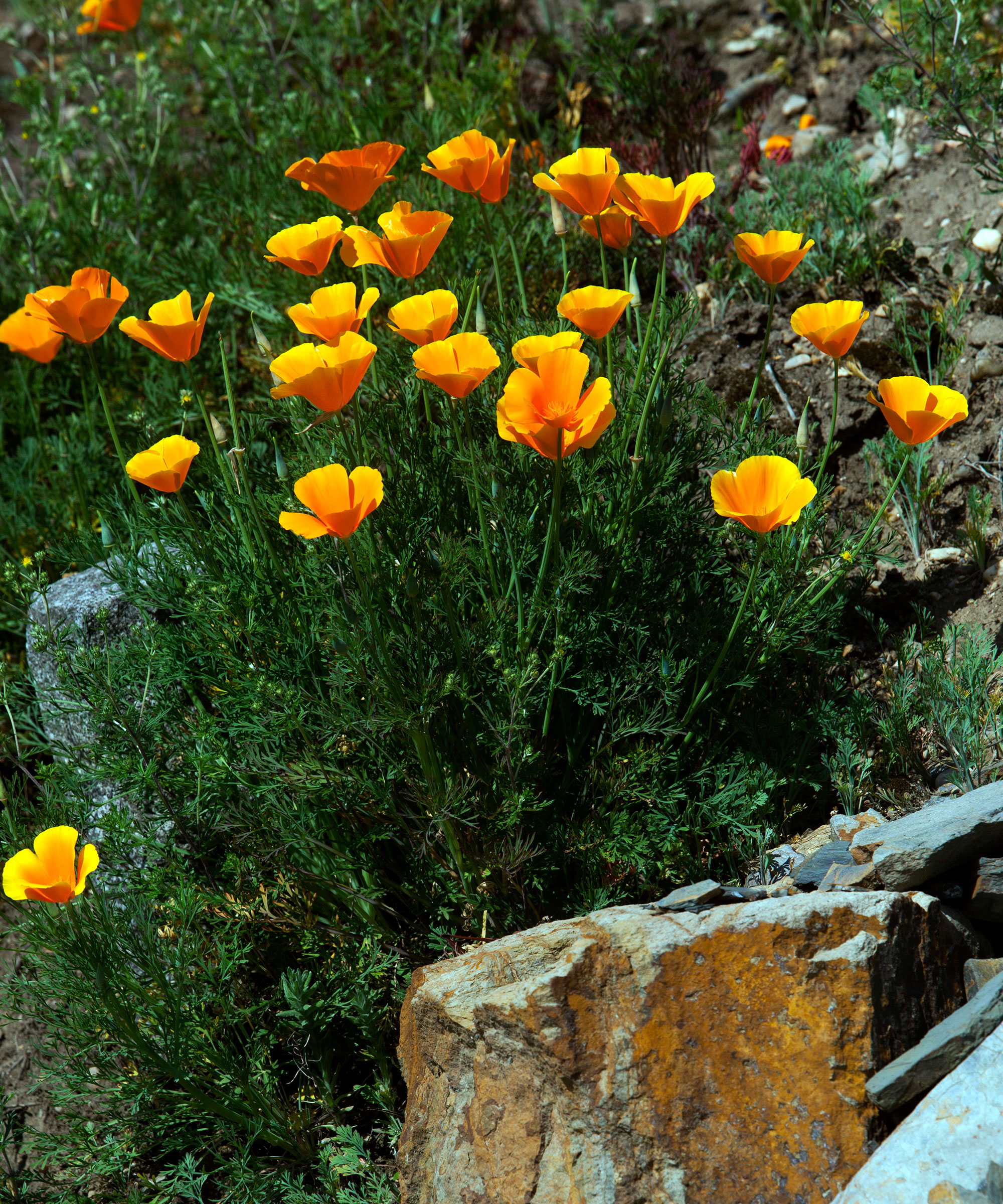
Californian poppies are true garden jewels, which symbolize peace, and imagination. Poppies are also historically linked to calmness.
Early flushes appear in coastal California in late February. They also reflects the beauty and resilience of California, as the Golden State's flower.
To grow Californian poppies, scatter seeds outdoors from late fall, whilst the soil is still workable. These beauties thrives in poor, sandy soil.
You can find California poppy seeds available from Amazon.
March: Texas Bluebonnet
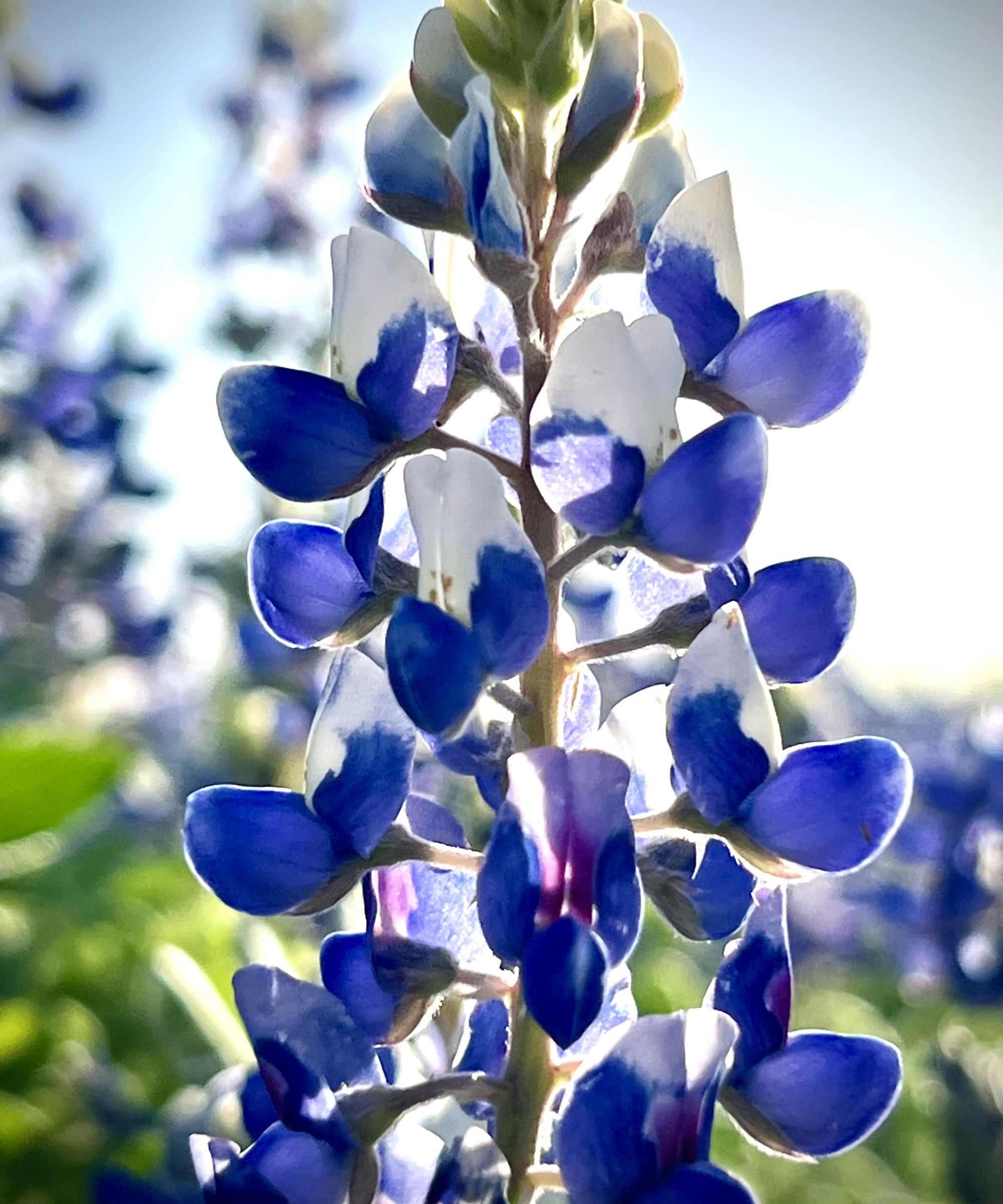
An iconic March bloom across the state of Texas, bluebonnet represents loyalty and perseverance. Known for carpeting fields each spring, these blooms also symbolize dedication and steadfastness.
Plant scarified (or nicked) seeds in full sun and well-drained soil from September to December.
Stratified seed packets are easy to find; such as these bluebonnet seeds from True Leaf Market.
April: Columbine
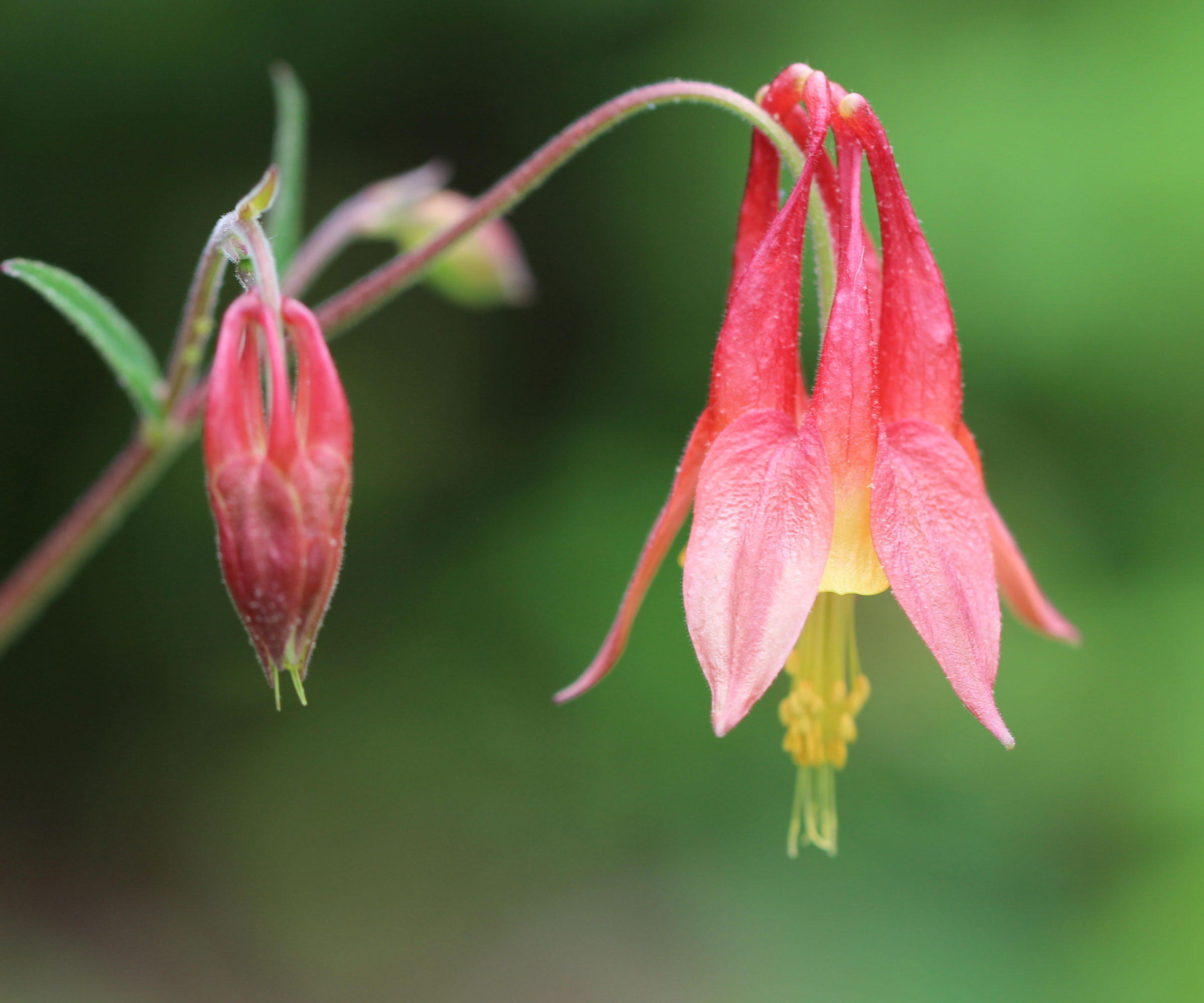
One of my all-time favorite self-seeding flowers, columbine are one of the earliest Eastern native wildflowers to appear, blooming from April.
They symbolize faith, hope, and love. Columbines are delicate yet resilient; ethereal, fairy-like flowers which are often associated with devotion and courage.
Among the best native perennials to plant in April as plug plants, you can also sow seeds outdoors in late fall and winter, giving them a period of stratification before spring arrives.
You can find red columbine flower seeds from Amazon.
May: Wild Lupine

Wild lupines, or Lupinus perennis, bloom on tall, vibrant spikes that inspire optimism, imagination and creativity.
Spikes of blue-purple flowers appear throughout May in fields throughout the Midwest and Northeast.
Wild lupine seeds prefer to grow in sandy or well-drained soil. We love this heirloom variety of wild lupine from Walmart.
June: Black-Eyed Susan
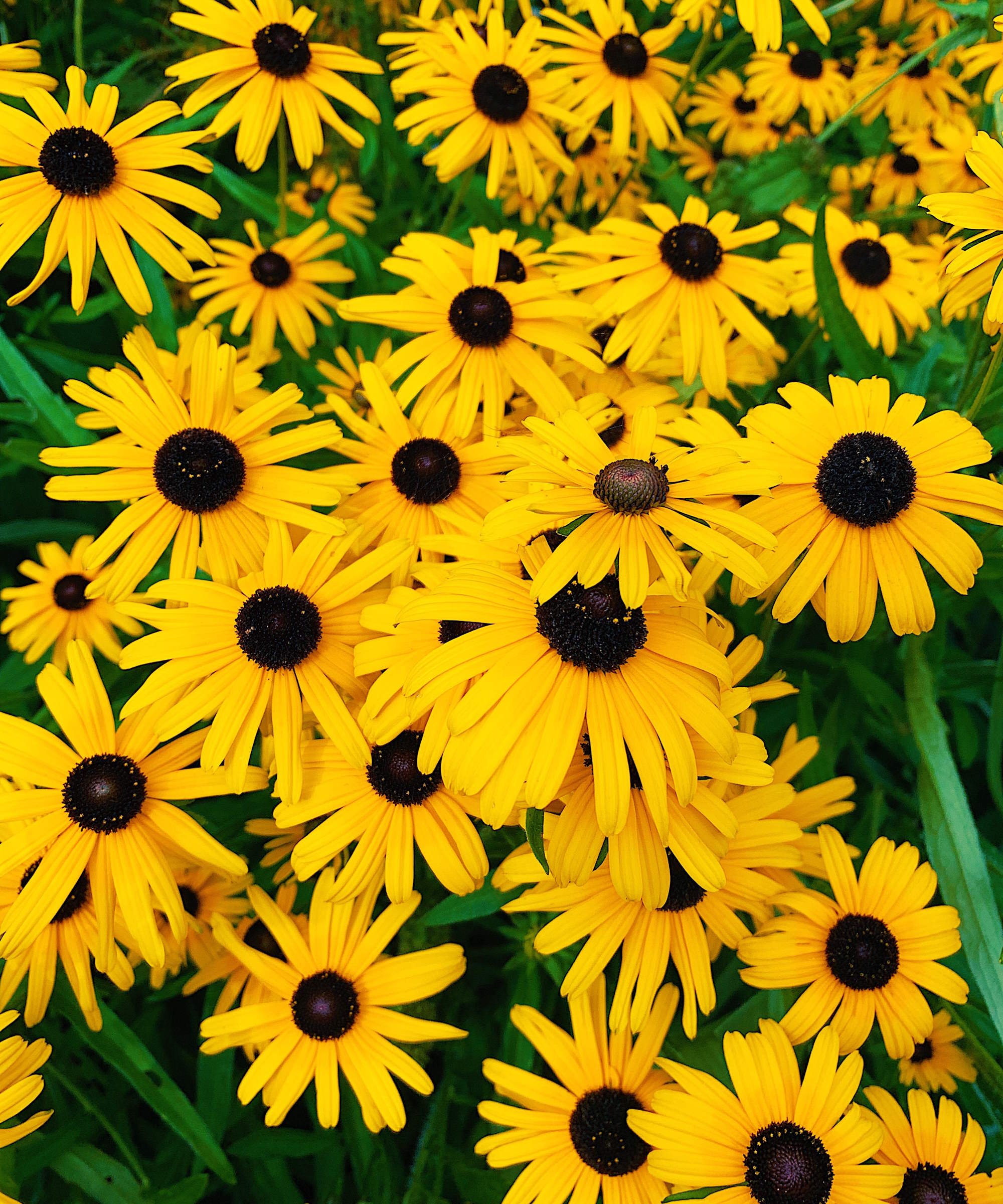
Black-eyed Susans are well known for being one of the most reliable US native wildflowers you can grow.
They start blooming in June and carry on right through summer and into fall. Once established, this reliable perennial will grace your garden with cheerful blooms year after year.
They are known to symbolize encouragement and motivation. Their bright, bold yellow petals are a sign of pure joy in the garden, and encouragement to persevere.
Black-eyed Susans are easy to grow from seeds, and there is a huge range to choose from at Amazon.
July: Coneflower
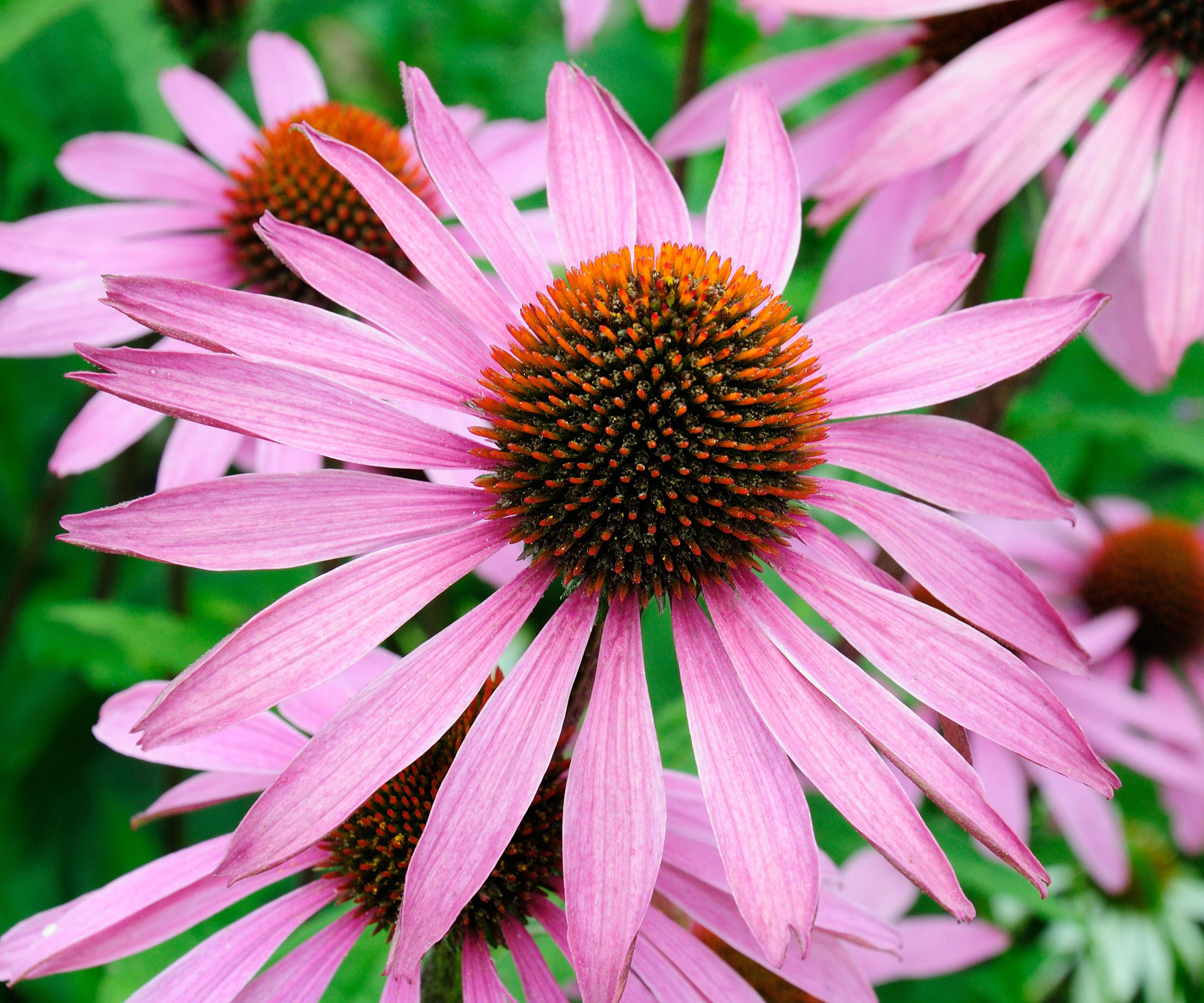
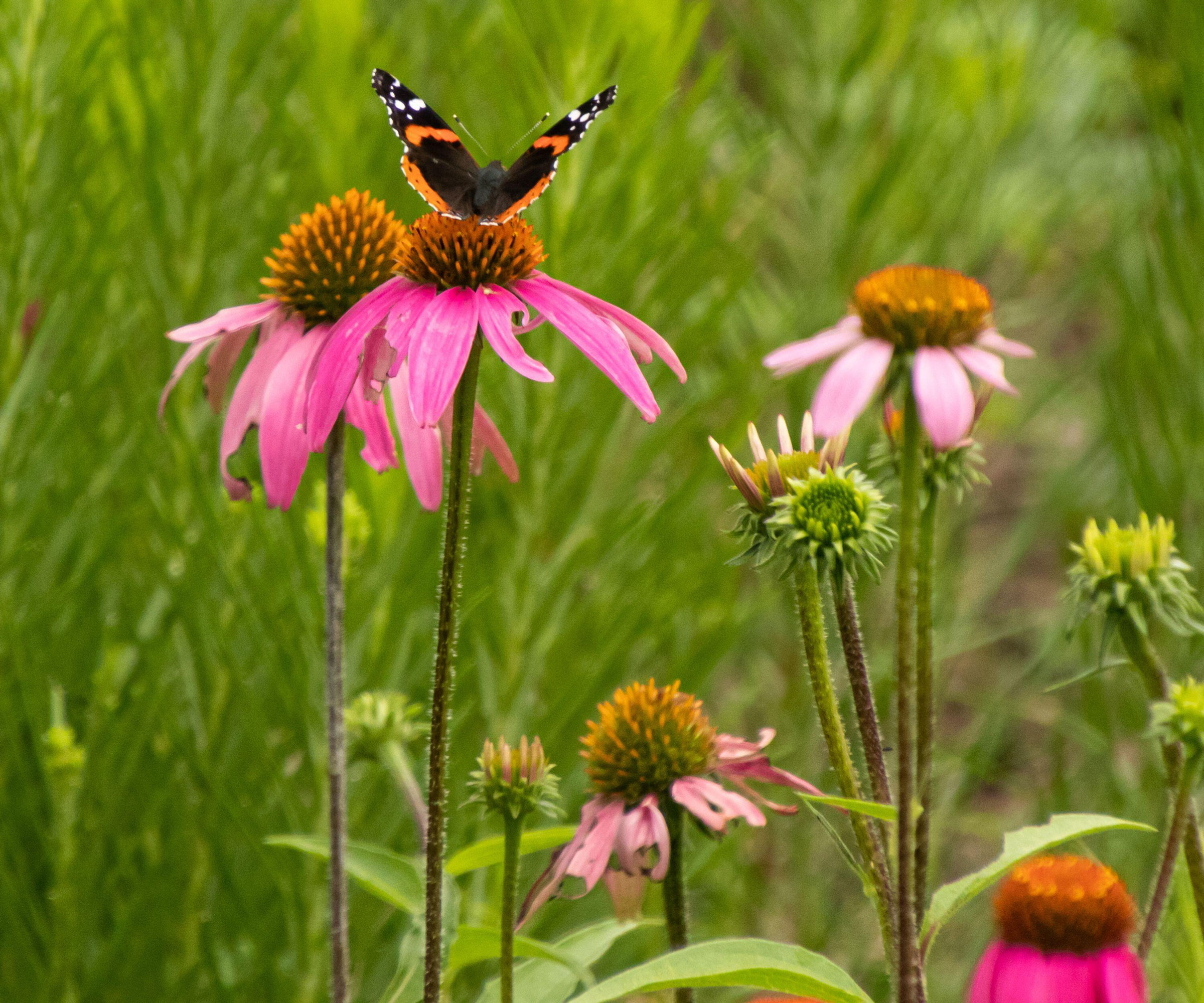
Known the world over for it's botanical healing properties, purple coneflower (Echinacea purpurea) symbolizes health and strength. It is traditionally linked to healing properties and vitality.
Coneflowers are a much-loved native bloom, and is a peak July wildflower across much of the US.
Plug plants and seeds are widely available; we recommend these purple coneflower seeds from True Leaf Market.
August: Blanketflower
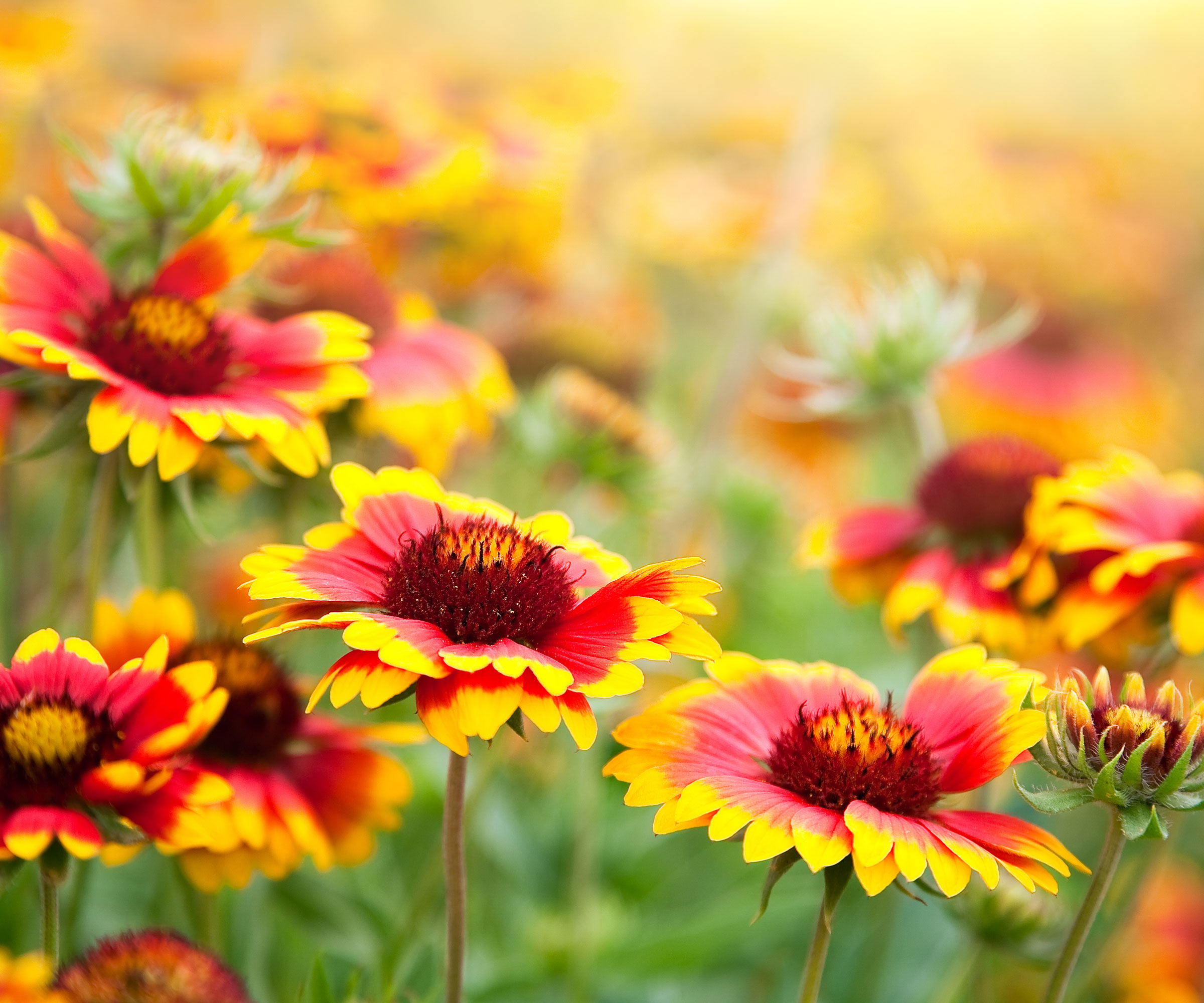
Blanketflower, also known as Gaillardia, is native to North and South America and symbolizes joy and warmth. Its fiery, vibrant blooms evoke happiness, optimism, and lively energy.
Gaillardia are heat-loving flowers, and will put on a long-flowering show on tall stems from summer through fall. They enjoy dry, arid soil, and are reliably drought-tolerant plants.
You can find blanketflower seeds available from Amazon.
September: New England Aster
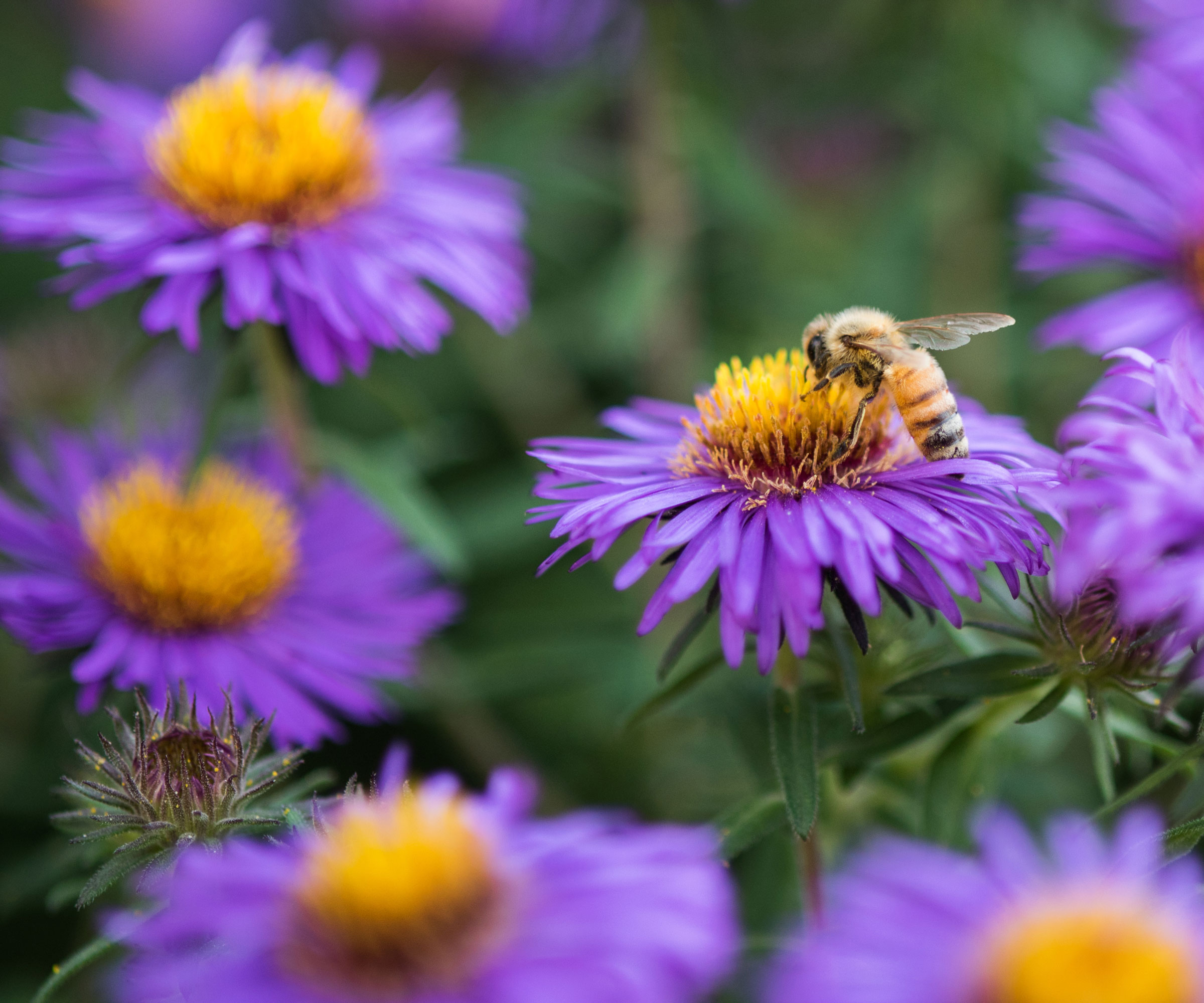
Asters are a classic fall-blooming wildflower, adding reliable color when the rest of the garden begins to fade.
Representing elegance and wisdom, they are often underrated and bring a certain understated beauty to fall flower beds.
Perennial asters can be grown from seed, but it takes time for them to mature so you may be waiting years for them to flower. The best way of growing them is to buy plants and add them to the yard in spring. These live aster plants from Amazon are a great option.
When shopping at the garden center, look for native-ecotype asters, not compact bred cultivars, to get the best plants.
October: Blue Mistflower
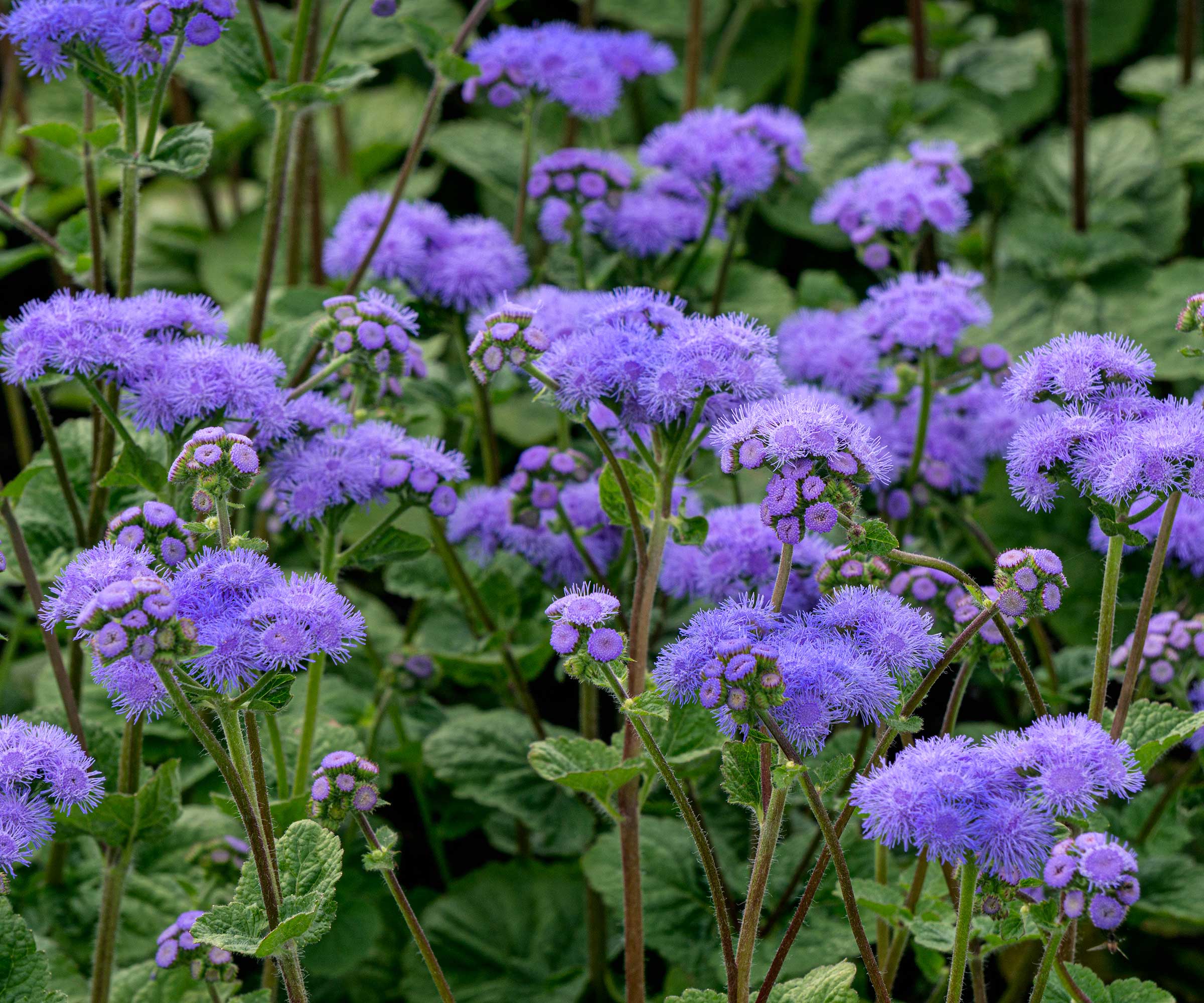
Adding blue mistflower, which also goes by the names of flossflower and ageratum, will add sentiments of inspiration and calm to your yard. Its soft and fuzzy blue blooms evoke serenity, reflection, and creative thought.
It's one of the latest wildflowers to bloom in the US, often into mid-October. It's also a prolific self seeder and spreads easily; great for wildlife gardens but not so much if you want a neat border.
You can find flossflower seeds at Amazon, and beautiful pink 'sugar and spice' flossflower variety as a live plant at Walmart.
November: Golden Crownbeard
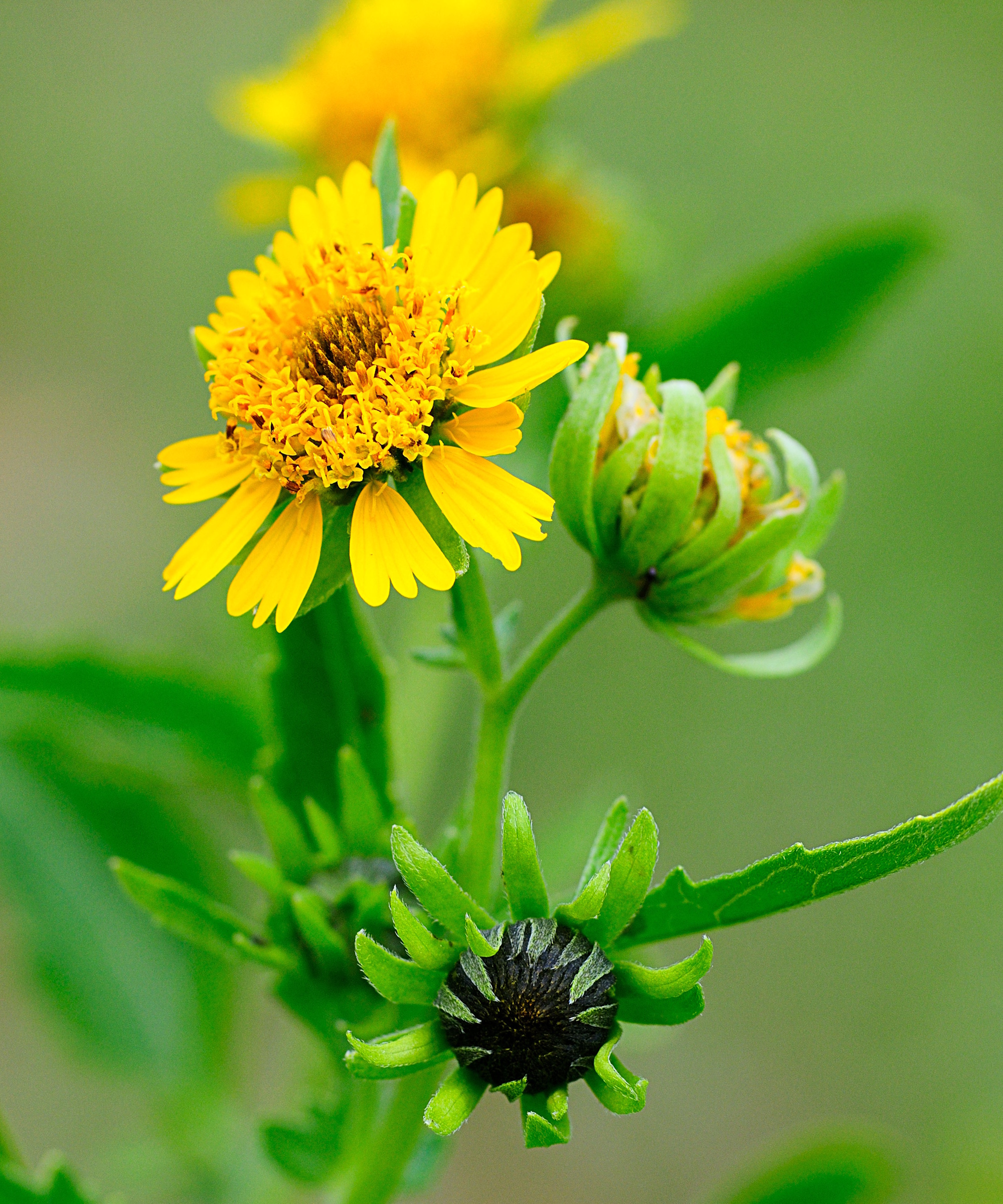
Hardy in zones 8-11, where it is grown as a perennial, golden crownbeard symbolizes adaptability and endurance.
Blooming late in the season, this yellow desert wildflower loves warm southern states and can bloom well into late fall. It is fast-growing and drought-tolerant.
A word of caution, however. Check with your local extension service before planting, as golden crownbeard is classed as invasive in some states, including California. It self-seeds prolifically, and can out-compete other plants if not kept in check.
December: Desert Marigold
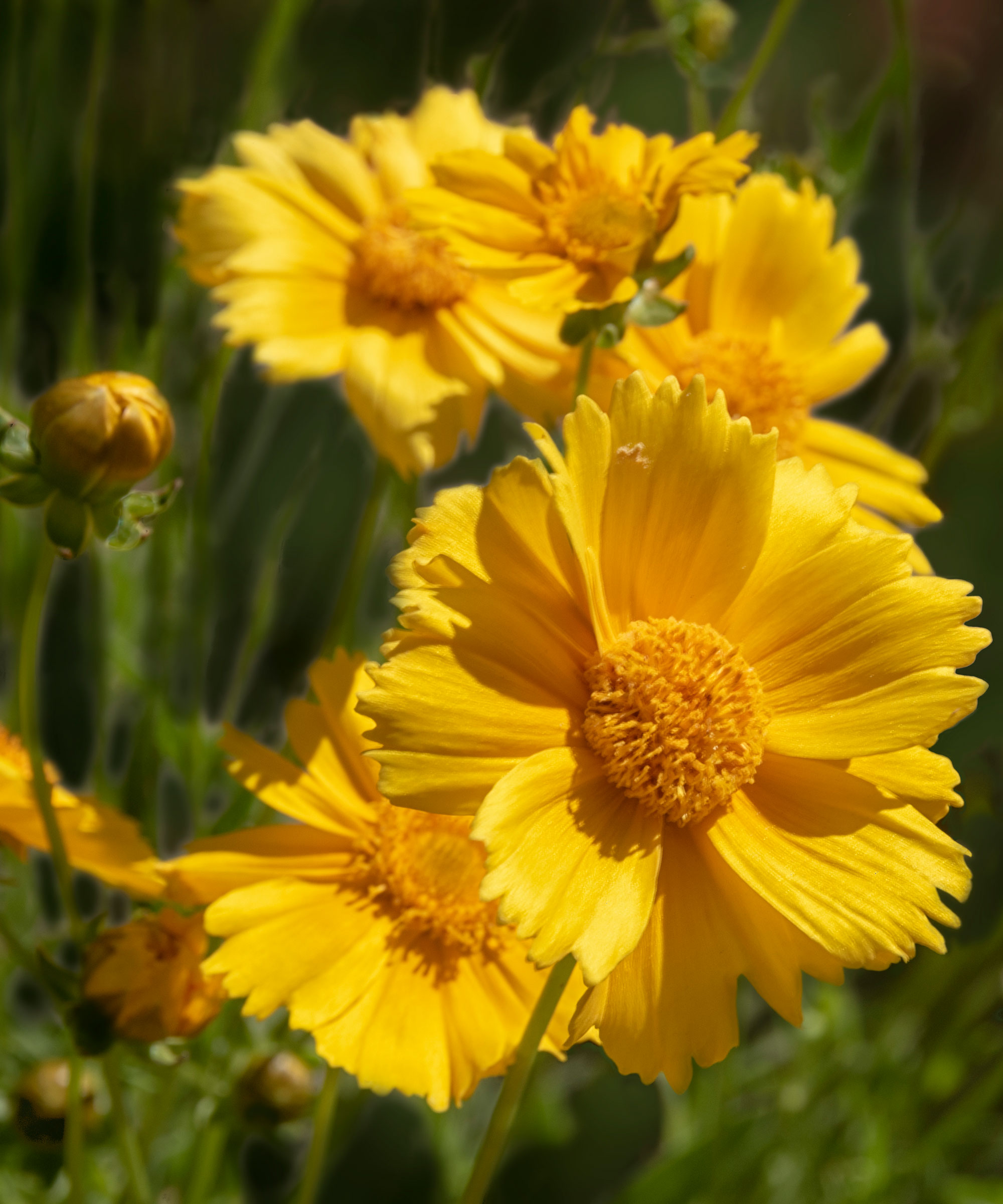
This beautiful ray of sunshine bloom is often associated with cheerfulness and optimism. Desert marigolds bright, sun-like blooms symbolize warmth, hope, and positive energy, even in harsh conditions.
Thriving in full sun and gravelly soil, in the warmest desert regions it blooms almost year-round, including December. Plant seeds in fall or early spring.
You can find desert marigold seeds available from Amazon.
If you enjoyed this list of birth month wildflowers, you might equally love our in-house curated calendar of birth month succulents, with expert advice on caring for each one, too.