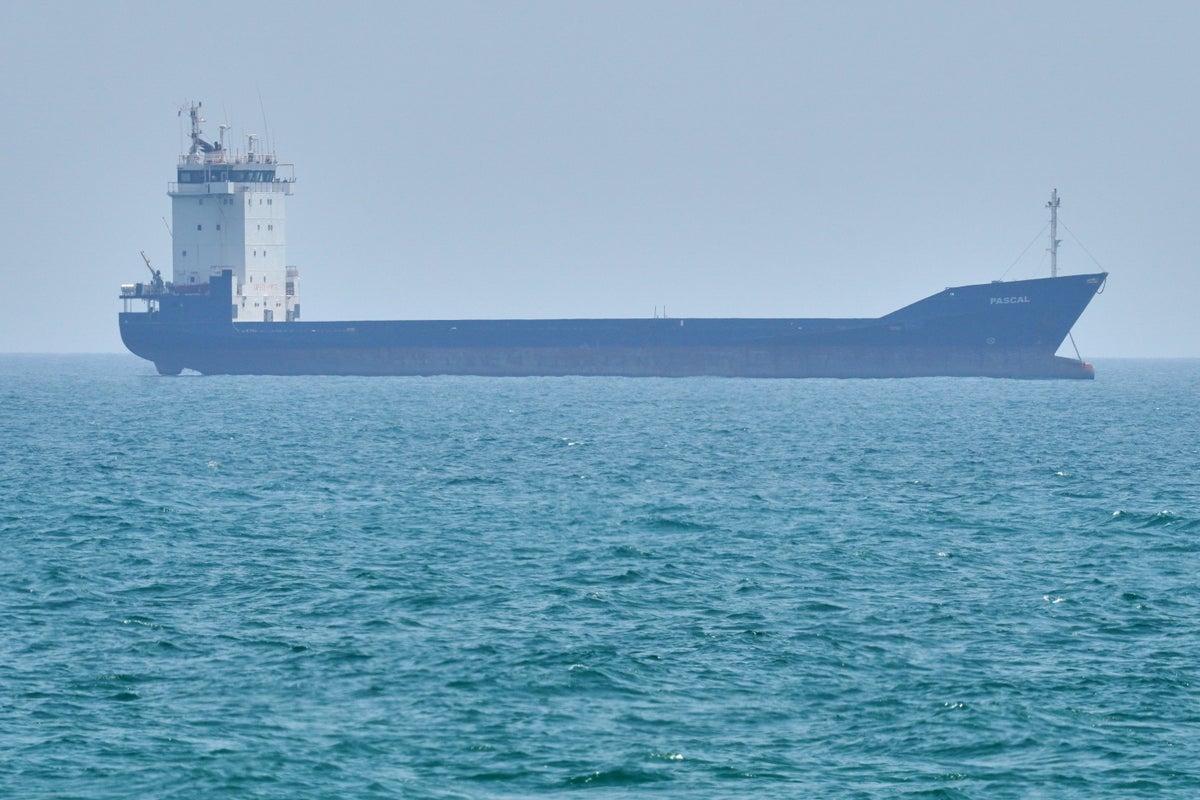
Oil prices surged on Monday after the US seizure of an Iranian cargo ship plunged the fragile peace process into disarray.
Hopes for a breakthrough and the full reopening of the crucial Strait of Hormuz, a vital oil and gas shipping route, have now receded following the US action against the Touska.
This prolonged uncertainty, with the US-Iran ceasefire due to expire on Wednesday, is set to further impact households across the UK. Consumers face immediate increases in petrol and diesel costs at the pumps, alongside the prospect of rising energy bills later in the year.
Benchmark Brent crude jumped 5 per cent higher to 94.72 US dollars a barrel in Monday morning trading, reflecting the volatile situation in Iran and the renewed closure of the Strait of Hormuz. This rise contrasts sharply with Friday, when crude prices had tumbled after Iran declared the shipping route open.
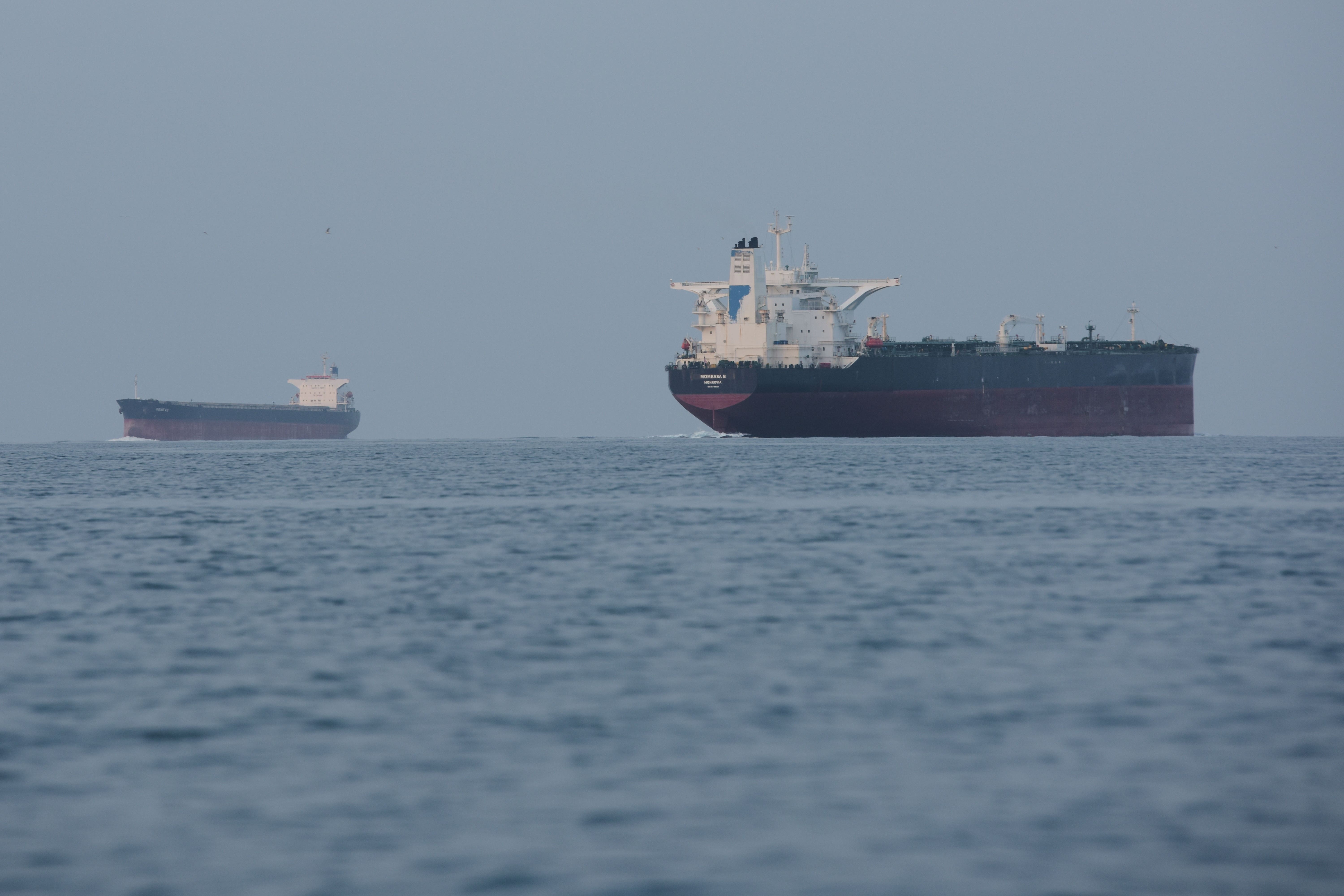
Markets were also lower on Monday as trading remained volatile, with the FTSE 100 Index down 0.5% at 10611.18.
The US and Iran were due to hold further talks in Pakistan but it is unclear whether the negotiations will go ahead as a result of the Touska incident.
U.S. Marines depart amphibious assault ship USS Tripoli (LHA 7) by helicopter and transit over the Arabian Sea to board and seize M/V Touska. The Marines rappelled onto the Iranian-flagged vessel, April 19, after guided-missile destroyer USS Spruance (DDG 111) disabled Touska’s… pic.twitter.com/mFxI5RzYCS
— U.S. Central Command (@CENTCOM) April 20, 2026
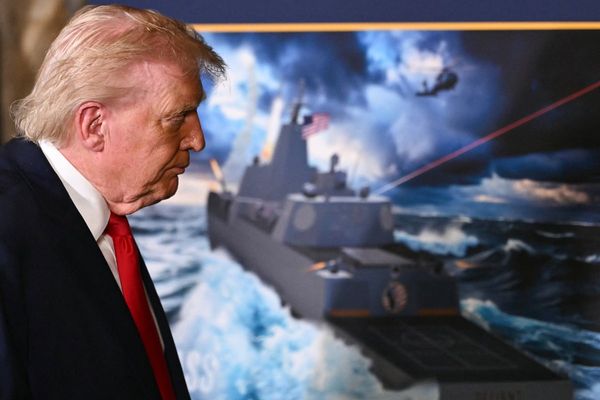
US forces attacked the cargo ship as it attempted to break the blockade imposed by US President Donald Trump on Iranian ports.
Mr Trump said the USS Spruance stopped the vessel “by blowing a hole in the engine room” after it ignored warnings to stop.
US Central Command said marines then seized the vessel after rappelling from helicopters.
Mr Trump said a US negotiating team would be in Islamabad from Monday evening but if Tehran did not agree a deal his military would “knock out every single power plant and every single bridge in Iran”, warning there would be “no more Mr Nice Guy”.
— Rapid Response 47 (@RapidResponse47) April 19, 2026
Reports on Iranian state media suggested Tehran would not take part in talks.
Meanwhile Foreign Secretary Yvette Cooper said any deal must not allow Iran to charge tolls for passage through the strait.
She said: “Proposals have been circulating from Iran to introduce tolls on the strait once the conflict is concluded.
“Since the call I convened with more than 40 countries at the start of April, we have been working to build an international consensus both on the urgency of reopening the Strait of Hormuz, and on the principle that freedom of navigation must be restored in full, without restrictions or tolls.
“It is clear to me from my talks that an increasing number of countries are now joining the UK in insisting that there is no sustainable resolution to the closure of Hormuz that leaves the Iranian regime charging for access.”
Wife of LA Clippers owner Steve Ballmer steps in to save NPR’s future with $80M gift
How daring US raid of Iranian tanker unfolded in Strait of Hormuz
National Guard roams Washington with no end in sight to $1 million-per-day deployment
Stock markets fall again as investors warned over more Iran war volatility
M&C Saatchi predicts hit to sports and entertainment arms from Iran conflict
Almost half of British adults worried about paying energy bills