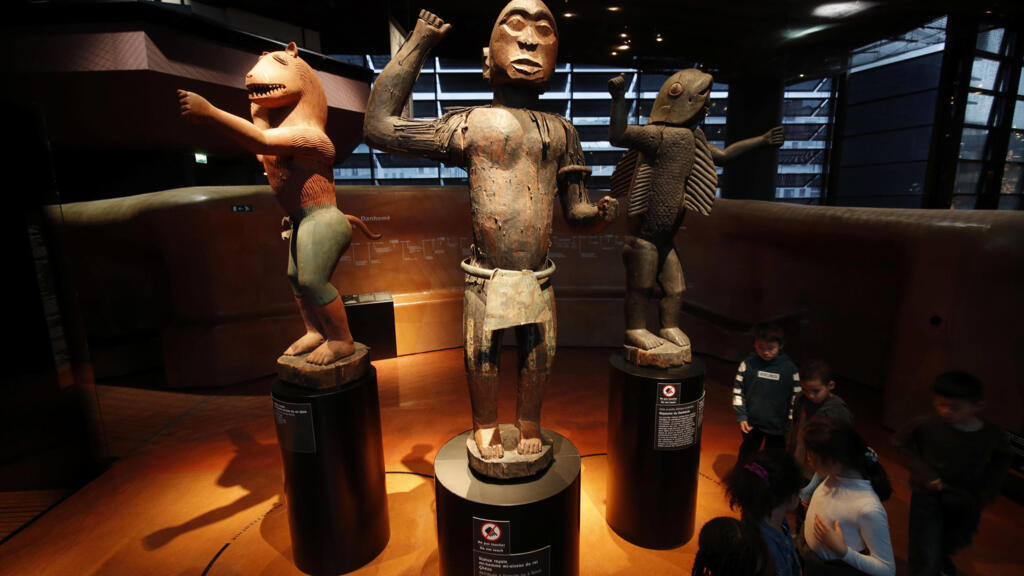
French senators on Wednesday adopted a bill to simplify the return of artworks looted during the colonial era to their countries of origin. Previously, each restitution had to be approved and voted on by parliament, a lengthy and complex process that struggled to keep pace with the growing number of requests.
France still has in its possession tens of thousands of artworks and other prized artefacts that it looted from its colonial empire.
The new law will make the restitution process easier by setting clear rules based on a scientific review of requests, involving the countries making them.
The bill was voted unanimously by all French political groups in committee last week and will next be sent to the National Assembly lower house before it can become law.
Senator Catherine Morin-Desailly has initiated several bills related to the right of restitution. For her, this is the culmination of a process that took nearly 20 years.
France returns skulls to Madagascar 127 years after colonial massacre
"I have noticed that attitudes have changed enormously, including in our own museums, where we are now addressing issues of traceability, how we view our history, and how to re-establish dialogue with the requesting states, most of which were formerly colonised – with whom we also have the opportunity to... engage in a very fruitful cultural dialogue beyond restitution."
This bill concerns property whose illegal appropriation can be established with certainty, thanks to evidence from available historical sources. The artefacts must also originate from the current territory of the requesting state and have been acquired between 1815 and 1972.
How an RFI investigation helped return an ancient treasure to Benin
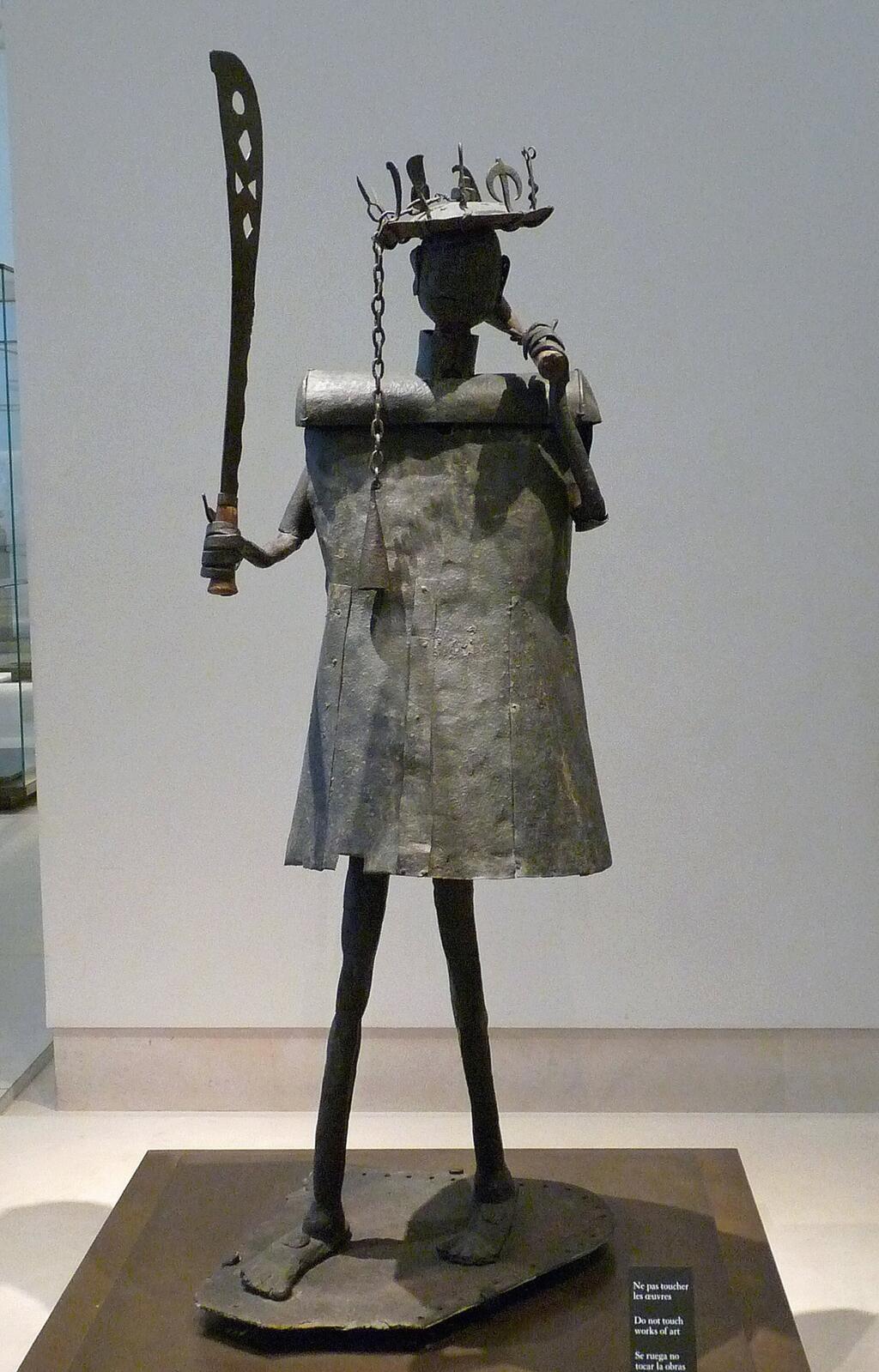
Benin's God Gou
Thirteen countries, most of them African, have already submitted requests for restitution that could benefit from this new law. Among them is Benin, which wants to recover the famous Gou God – a hammered iron sculpture made in the Kingdom of Dahomey in 1858 and stolen by French colonial troops.
'Dahomey' film invites colonial past to speak through Benin's stolen treasures
For Beninese historian Alain Godonou, special advisor to the President of the Republic of Benin on heritage and museums: "Its rightful place is in the Musée international du vodou."
He added: "If you come to Benin today and go to Porto-Novo, at the entrance to the city, you will see this museum already built, majestic, which is already in itself something very important in the urban planning of the city. This museum is eagerly awaiting the famous God Gou."
Algeria is demanding the return of objects and personal effects of the religious and military leader Abd El Kader, while Senegal is requesting the objects from the Ségou treasure, captured by French colonial troops and Mexico is requesting the restitution of two Aztec manuscripts.
With AFP, and adapted from this article in French by Clothilde Hazard.