A further 800 jobs in the medical psychology sector, a new mental health hotline, and more support for mothers suffering from postpartum depression. These are just a few of the announcements made during a national psychiatric health summit, presided over by French President Emmanuel Macron on Tuesday.
"For the first time, there will be one single telephone number -- 31 14 -- which all French people can contact anytime, operational from Friday," health minister Olivier Véran told France Inter radio on Wednesday.
"It will allow French people going through a difficult moment, with dark thoughts, or sadness, to find a response to their problems. By contacting this number, they will have direct access to professionals in psychiatric care."
A recent study, known as CoviPrev, carried out between 31 August and 7 September showed that 10 percent of people polled admitted to having suicidal thoughts in the course of the past year. A figure which has risen by 5 points since the start of the Covid epidemic.
"Suicide is the second cause of death among young people after road accidents," Véran said.
"It's a project that has been in the works for some time - a new step in suicide prevention. It may just appear like a simple telephone number, but in reality, there's a lot involved."
"It's hours of training, identification, financing and a group of professionals brought together to respond to the distress of French people."
The free hotline will be open 24 hours a day, seven days a week.
Speaking at the mental health and psychiatry summit, President Macron said he would create 800 jobs in the mental health and psychiatry fields in a bid to lower waiting times for appointments.
He said as of 2022, adults could benefit from a package of up to 8 sessions with a psychologist paid for by the government, within a limit of 40 euros for the first session, and 30 euros for the following sessions. Further sessions could be made available upon prescription if deemed necessary.
Concerns
In total, 50 million euros have been ear-marked in next year's social security budget to cover this measure.
In April, Macron had already announced a package for children aged 3-17, with ten free sessions with a psychologist, and a similar measure for students.
However, some professionals in the sector expressed their disappointment with Macron's announcement, pointing to the low tariffs for each consultation, which would make earning a living difficult for independent psychologists.
They have also pointed to the danger of forcing patients to refer to their regular doctor for a prescription to see a psychologist under the new scheme.
"Some people don't want to reveal their mental health concerns to their family doctor," says Mathieu Collet, independent psychologist writing in the daily Figaro newspaper.
"General practitioners are not trained in psychopathologies, so this would pose a problem of medical privacy," he says.
Postpartum care
In a separate development, a call for tenders worth 10 million euros has been opened to create 5 to 10 new centres and 15-20 mobile units, specialising in psychological support for new parents and their babies.
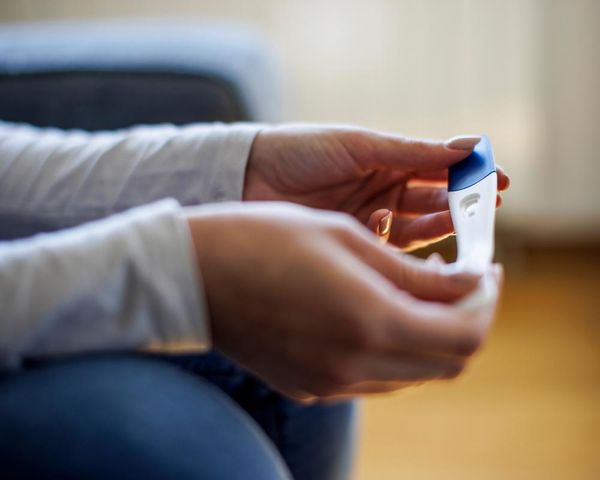
"100,000 women every year suffer from postpartum depression, around 15 percent," minister for Children's affairs, Adrien Taquet, speaking at the health summit on Tuesday, referring to a recent survey, in which 30 percent of mothers and 18 percent of fathers said they had experienced a form of depression."
"An appointment in the fifth week after birth will be set up systematically from the beginning of 2022, to pick up on cases of postpartum depression," Taquet said.
"For women at risk, a second appointment will be set up in the 12th week after birth."
The appointments will be carried out by general practitioners or midwives who have received training on how to detect this form of depression, and patients can be referred to specialists if necessary.
According to an OpinionWay poll for the tele-medical company Qare in August 2021, only 5 percent of mothers said they had been diagnosed by a specialist, and 78 percent of parents said they had never heard any mention of postpartum depression during their medical appointments.