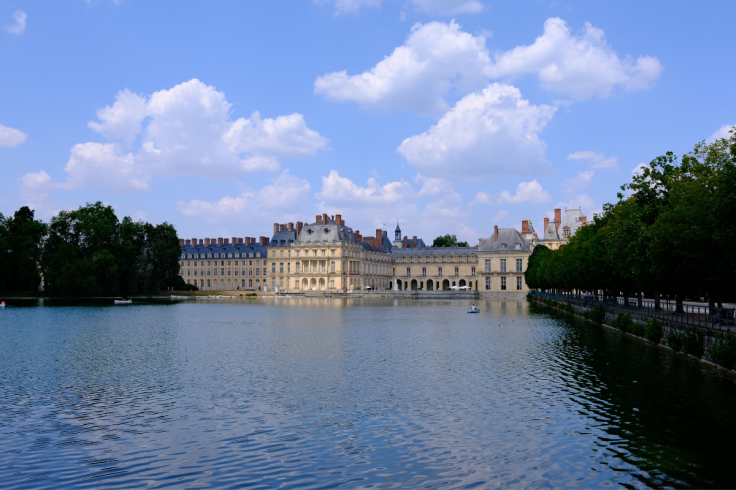
Europe continues to experience the ill effects of the heatwave, which started as early as May. France had to resort to water restrictions due to drought, which would affect some 70% of the country. The nation has had the worst situation among European countries as it recorded more than 5,700 excess deaths due to a record-breaking heatwave.
'As France is experiencing a particularly severe drought, the effects of climate change continue to increase pressure on water resources,' said the ministry for ecological transition, announcing the restriction of water use. On 9 August, most of France was on the first water warning level, which indicates vigilance in water use. When the alert reaches its highest level, it means water will be reserved for priorities, such as drinking and sanitation, healthcare and civil protection.
Water Levels Below Normal
According to the Bureau of Geological Mining Research, two-thirds of the country's aquifers that are sourced for drinking water have dropped below normal levels. This was due to the shortage of rainfall in July, compounded by the increased water demands of the agriculture and tourism industry. The nation's weather agency reported a rainfall deficit of close to 70% in July, which also recorded a historic temperature.
Ecology Minister Monique Barbut said some 30,000 experienced tap water cuts due to drought or strain in the water supply. The government had to supply water through tanker trucks while many had to spend a lot of money on bottled water. Meteo-France is warning that temperatures could average 40℃ (104℉) this week.
For the last few months, the whole of Europe has been grappling with the effects of the heatwave. The heat dome has also lowered water levels of major rivers and other bodies of water in Europe. In some cases, the water bed has become visible.
Low River Flow Rates
Some of Europe's most popular river systems have recorded historic low average flow rates, which measure the total volume of water that passes a specific point in a given time. Some 95% of the Thames and 85% of the Rhine have recorded low flow rates. Between 65% and 70% of the Danube has low flow rates as well.
According to the European Flood Awareness System, these are the lowest flow rates ever recorded since the agency started documenting in 1992. They were so low that Nazi shipwrecks were exposed in various parts of the Danube. On the Serbian and Romanian border, for example, the sandbank housed a broken hull, which was previously underwater.
Historians said the shipwrecks were part of Adolf Hitler's Black Sea fleet. But the Nazis reportedly sank the ship deliberately to slow down the advancing Soviet Union military. Approximately 200 warships were supposedly scuttled in European bodies of water.
In the Hungarian part of the Danube, remnants of a German military motorcycle were recovered. In the Slovakian part, there was an unexploded British bomb, which weighed around 700 kilograms (1,543 pounds), uncovered. Police recovered the bomb and transported it via a specialised vehicle.
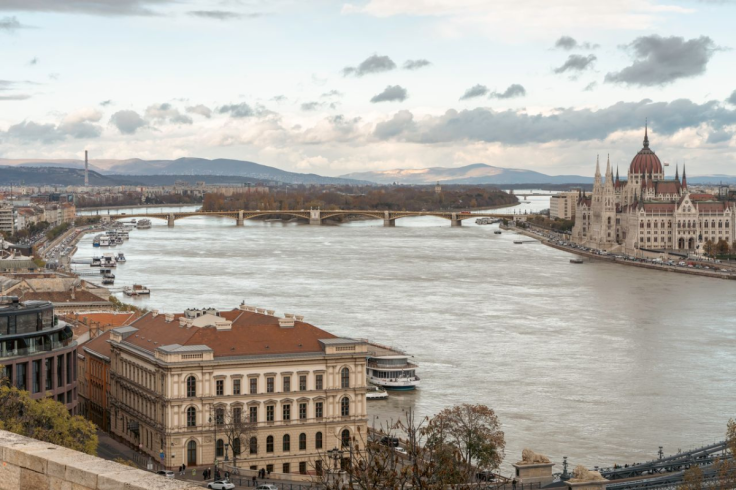
Danube, the second-largest river in Europe, flows through Austria, Slovakia, Hungary, Croatia, Serbia, Bulgaria, Romania, Moldova and Ukraine.
Not the Hottest Year—Yet
Surprisingly, this isn't even the hottest year yet. According to climate statistics, 2024 and 2025 are still the hottest years recorded, with 2026 ranking third. However, the heatwave isn't easing any time soon, leaving time for this year to catch up.