Strange things are happening in France. Ex-president Nicolas Sarkozy has been given a jail sentence (to be served at home), after his second conviction in six months. Other prominent Frenchmen have been charged with rape or incest. Jurors of the country’s main literary prize have been barred from awarding it to their lovers. The Ecole Nationale d’Administration, the school that recruits the self-reproducing French political elite, is being renamed and supposedly reformed.
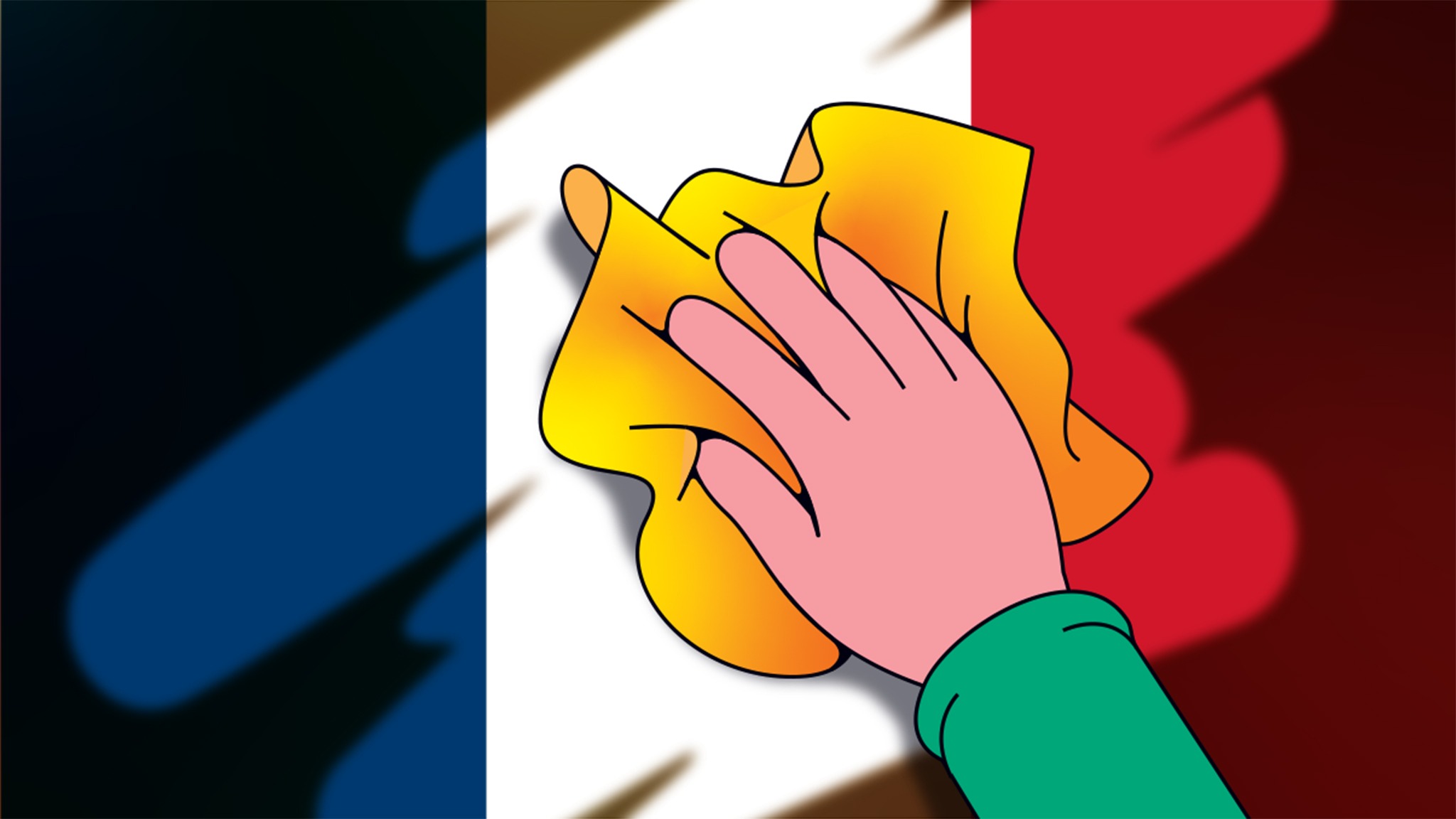
The French — possibly the most pessimistic nation — might refuse to believe it, but it turns out their elite can be cleansed after all. And there are lessons here for other countries.
Every elite eventually becomes self-serving, and the French elite I encountered after moving to Paris 20 years ago was shameless. Its members studied together, then clustered in a few arrondissements around the Seine, decamping in summer to each other’s second homes. In a high-tax country, caste-mates rewarded each other more through power and perks than money. If problems arose, you could generally call a friendly judge. An era was summed up in the 2016 photo of François Fillon — Sarkozy’s prime minister — chilling with his family on the lawn of his château.
But the French elite has learnt to listen out for the whoosh of the guillotine and, in 2017, several forces combined to force a cleanse. There was the threat that the far-right leader Marine Le Pen would become president. Emmanuel Macron won instead, but he had no temperamental loyalty to old friends. He brought in a younger elite generation containing unprecedented numbers of women and infected by foreign norms of transparency. Months later, the exposure of American predator Harvey Weinstein unleashed the global #MeToo movement.
A Macroniste law on “the moralisation of politics” stopped MPs from hiring relatives or spending without providing invoices. Fillon was convicted for employing his wife in a fictitious job. Inevitably, some on the right claim that he and Sarkozy are victims of judicial persecution. Perhaps their sentences have simply exacerbated French mistrust of elites. Nonetheless, these are signs of reform: justice is no longer just for little people.
Parliamentary life has changed too. Gone are six-hour champagne-fuelled lunches with 22-year-old “research assistants”. One Parisian restaurateur grumbles that politicians today “don’t have any money”. In late 2017, lifts at parliament were hung with signs stating the legal definition of harassment, associated jail terms and fines, and adding numbers for victims to call. It’s having an effect.
French #MeToo accelerated last winter, sparked by two memoirs, by Camille Kouchner and Vanessa Springora, containing allegations about incest and paedophilia. Kouchner’s stepfather, Olivier Duhamel, president of elite dining club Le Siècle — in effect, chairman of the French establishment — was banished from public life, accused of having abused her brother. The case brought down several other elite members, including controversialist philosopher Alain Finkielkraut, sacked by TV channel LCI after he pondered about the alleged abuse of a 14-year-old: “Was there consent? . . . Was there some form of reciprocity?” A different slice of the elite, the Catholic church, faces similar difficulties after a report estimated priests had sexually abused 216,000 of today’s French adults since 1950.
The scandal around France’s biggest literary prize may seem small beer by comparison, but it’s culturally just as telling. One author longlisted for this year’s Prix Goncourt happened to be the boyfriend of a juror; that juror also wrote a devastating review of a competing novel. A decade ago, nobody would have cared. Indeed, the Goncourt’s secretary-general, Philippe Claudel, initially said, bizarrely, that “there is no ethical problem, as there would have been in the case of a spouse, descendant or progenitor”. Other defenders noted that the couple didn’t live together.
But times are changing. Last week the Goncourt banned jury members from consecrating lovers and family. Most unusually too, the newly unveiled shortlist featured no books from the country’s best-connected publisher, Gallimard. All this follows last year’s reform of France’s biggest cinematic prizes, the Césars: the board resigned after 400 artists criticised an “elitist and closed” academy that had nominated a film by the convicted paedophile director Roman Polanski for 12 awards.
France hasn’t suddenly become a Nordic-style model of transparent egalitarianism. But it is reforming, and it’s not alone. When elite institutions are attacked from below, they find reason to clean up.
Italy has slashed its number of parliamentarians and is reforming its courts so that wealthy defendants can’t string out cases until they lapse. In Britain, Oxbridge is admitting more state-school pupils. Voters have stopped tolerating self-dealing leaders, as witnessed by this week’s resignation of Austrian chancellor Sebastian Kurz and the defeat of Czech prime minister Andrej Babis. Part of fighting corruption is that we should be willing to acknowledge when it declines.
Copyright The Financial Times Limited 2021