Four million people in the Gulf could be pushed into poverty by the war in Iran, says the UN, as the conflict enters its second month.
A report by the United Nations Development Programme (UNDP) on the economic and social repercussions of the war found that Arab nations stand to lose between $120 billion and $194 billion from gross domestic product as a result of disruptions to energy supply chains.
“The number of poor people will increase by about four million people in our region in one month,” said Abdullah Al-Dardari, the UN Assistant Secretary-General and Director of the Regional Bureau for Arab States.
“This is a number that usually takes many years of economic decline, not one month.”
Al-Dardari told Asharq Al-Awsat that the war, which began on 28 February, has caused a “sharp and sudden economic shock.”
“This crisis rings alarm bells for countries of the region to fundamentally reevaluate their strategic choices of fiscal, sectoral, and social policies.”
He continued: “It has become clear that the impact is very large. There is a closure of the Strait of Hormuz, and oil exports have been greatly affected. Therefore, we are going to the extreme scenario, which is a severe impact on energy trade.”
The report, released on 31 March, estimated that the overall loss for the region would be closer to $194 billion, which could result in the regional unemployment rate rising by as much as four percentage points, costing some 3.6 million jobs – more than the total jobs created in the region in 2025.
The worst-affected would be in Gulf Cooperation Council countries and in the Levant, with each region set to lose more than 5.2 percent of their GDP.
In the Levant the crisis is projected to increase poverty by 5 percent, pushing an additional 2.85 - 3.30 million people into poverty, according to the report. This will account for over 75 percent of the rise in poverty across the Arab states.
The Levant, which includes Iraq, Palestine, Syria, Jordan, and Lebanon, is already experiencing a severe poverty crisis, particularly in countries like Syria which is recovering from a 14-year civil war.
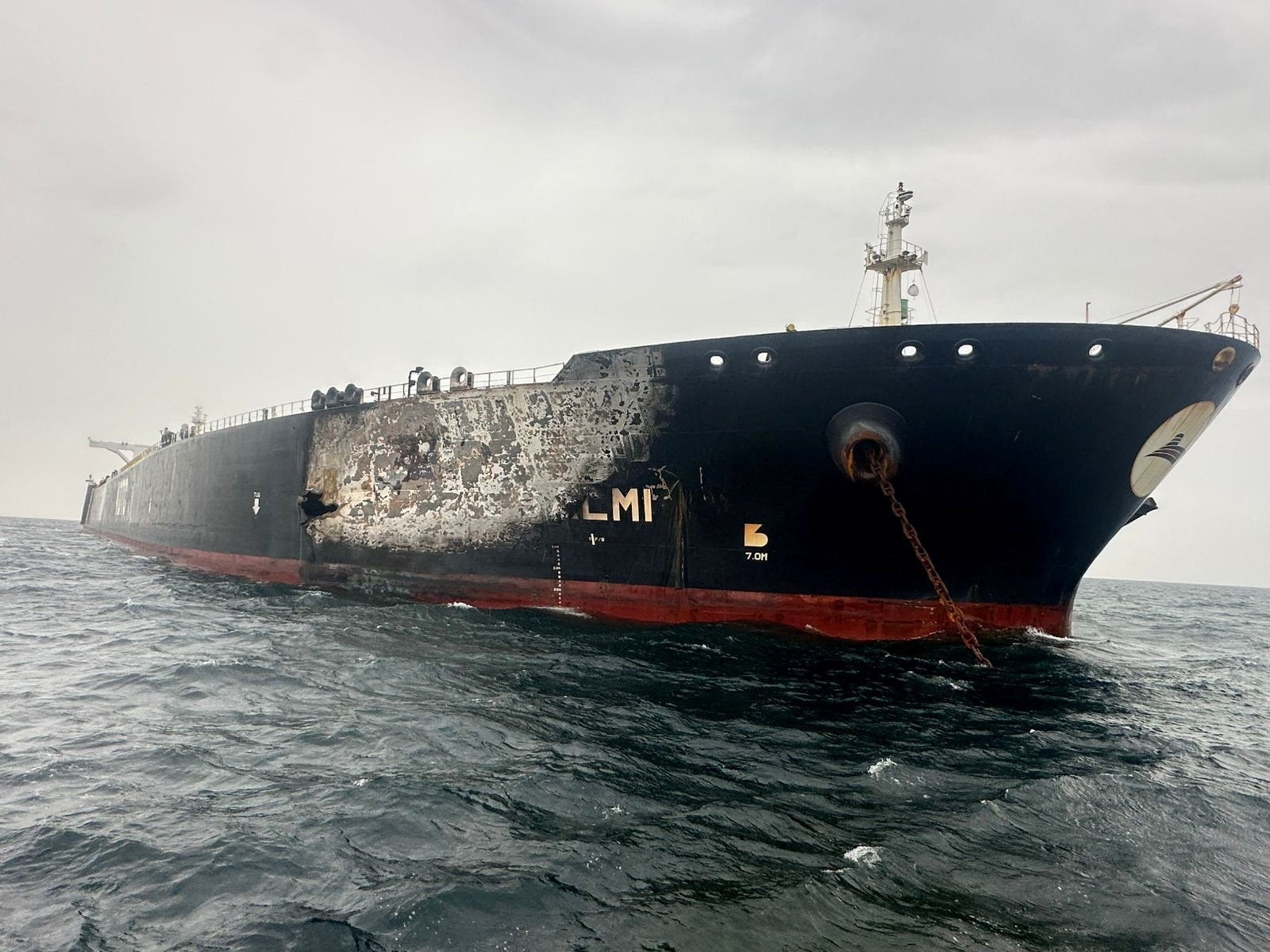
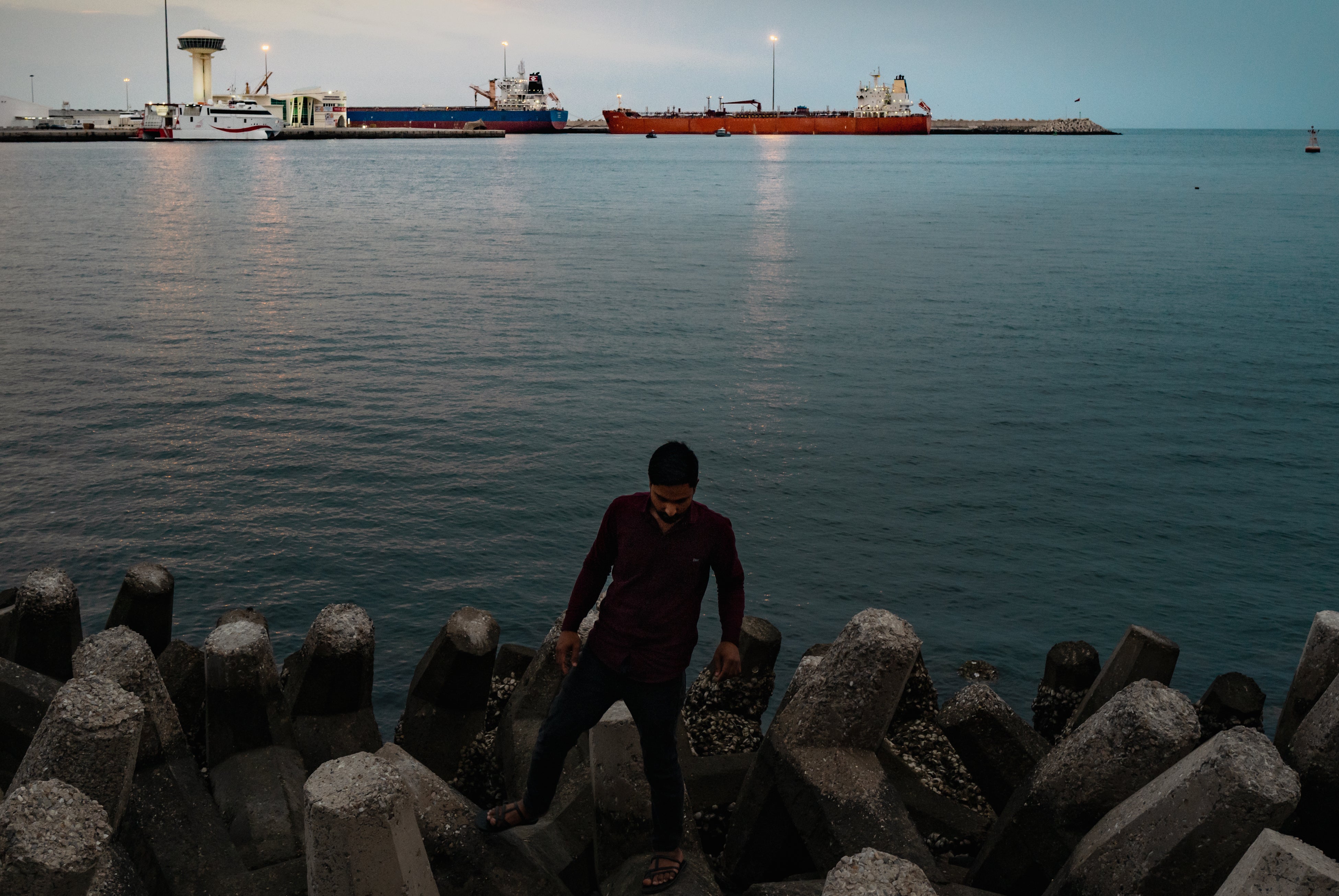
The Strait of Hormuz is a vital waterway for global trade which connects the Persian Gulf to the Indian Ocean. It is particularly important for Gulf countries such as Qatar, Kuwait, and Bahrain, which are almost 100 percent dependent on it for their oil exports to reach the rest of the world.
The Gulf produces about one-third of global oil, plus a significant share of Liquified Natural Gas (LNG). Roughly 20 percent of global LNG and around 25 percent of seaborne oil shipments pass through the strait.
Some Arab countries are looking at alternative routes, such as overland transport. Al-Dardari said Saudi Arabia is “relying more on the oil pipeline that flows into Yanbu on the Red Sea,” meanwhile there are “serious talks between Iraq and Syria to transport quantities of crude oil and petroleum products overland.”
The report used analysis of previous crises and recovery challenges in Gaza, Syria, and Lebanon.