BARCELONA: A liver disease affecting nearly 1.7 billion people worldwide is emerging as a major health challenge, but experts say it remains under-recognised and under-prioritised in public health policy.
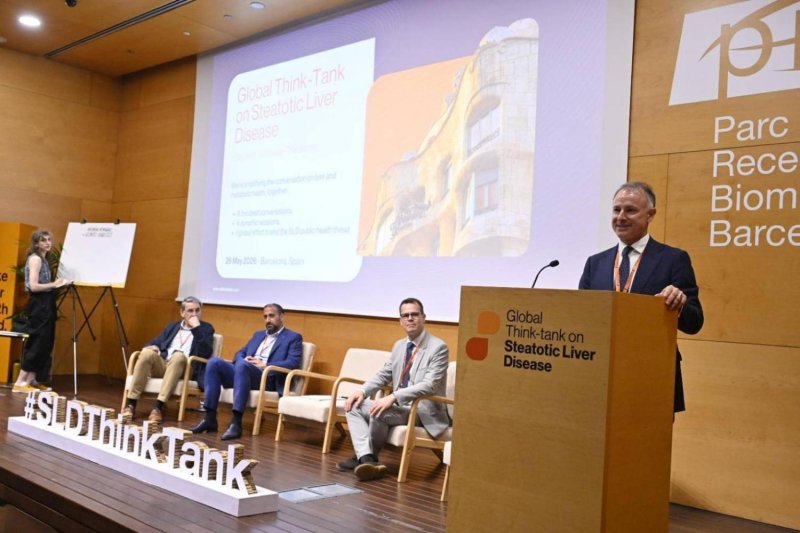
Health leaders attending the Global Think-tank on Steatotic Liver Disease Flagship Meeting 2026 in Barcelona on May 25-26 called on governments to integrate liver health into broader non-communicable disease (NCD) strategies through prevention, early detection, policy action and international cooperation.
Steatotic liver disease (SLD), which is closely linked to obesity, type 2 diabetes, cardiovascular disease and alcohol-related harm, is now recognised as part of the wider NCD crisis. NCDs remain among the leading causes of premature death among working-age populations worldwide.
Despite the scale of the problem, experts said awareness among policymakers and international health institutions has been slow to develop.
They said SLD should be treated as a major health priority rather than a neglected issue, and that recently adopted international commitments must be turned into action.
A major breakthrough came at the World Health Assembly (WHA), where member states adopted the first-ever resolution on SLD.
Health experts described the move as a milestone reflecting growing recognition of metabolic diseases and the need for a coordinated response.
The resolution is expected to place liver health more firmly within international efforts to tackle NCDs, alongside conditions such as diabetes and obesity.
Jeffrey V Lazarus, director of the Global Think-tank on Steatotic Liver Disease and MASH Cities, said the adoption of the resolution represented more than a symbolic achievement.
"The disease is deeply connected to the metabolic health crisis, yet it remains under-recognised in health policy, primary care, prevention and NCD strategies," he said during discussions involving more than 190 health leaders.
"The opportunity is immediate: member states should bring liver health into the centre of the response to non-communicable diseases, alongside diabetes and obesity."
Health experts said SLD has often been absent from broader NCD frameworks despite its close links to cardiovascular disease, diabetes and metabolic dysfunction.
They warned that prevention, early diagnosis and integrated care systems remain inadequate in many countries.
Europe under pressure
Concerns are particularly acute in Europe.
A recent Lancet Regional Health-Europe report, developed by 75 co-authors from more than 30 countries and led by the Barcelona Institute for Global Health (ISGlobal), estimated that one in three people in the European Union and the United Kingdom are living with metabolic dysfunction-associated steatotic liver disease (MASLD), now considered a leading cause of liver cancer in Europe.
The report estimated MASLD prevalence among adults in the EU and UK at 30.4%.
Europe also has the highest per-capita alcohol consumption rates in the world. Combined with obesity and other risk factors, alcohol use has contributed to elevated rates of end-stage liver disease and liver cancer across the region.
Despite the growing health and economic burden, the report found Europe remains poorly prepared to address MASLD and its progressive form, metabolic dysfunction-associated steatohepatitis (MASH).
As governments struggle to keep pace with the growing burden of liver disease, some city authorities are attempting to fill the gap.
Trenton White of ISGlobal, who oversees the MASH Cities Initiative, said municipal leaders have often moved faster than national governments in raising awareness and supporting prevention efforts.
"Community-based approaches are key to raising public awareness of early prevention and detection," he said.
The MASH Cities Initiative seeks to tackle the growing burden of MASLD and MASH through city-level action, arguing that municipalities influence many of the social, environmental and commercial factors that shape metabolic and liver health.
The initiative encourages local governments to incorporate liver disease prevention into broader urban agendas focused on NCDs, public health equity and sustainable development.
Mr White said local responses have been encouraging, with strong cooperation from community partners working to expand access to early diagnosis and treatment while limiting disease progression.
The initiative launched its first declaration in Italy earlier this year before expanding to New York City, with plans for broader expansion across other European cities.
Political commitment
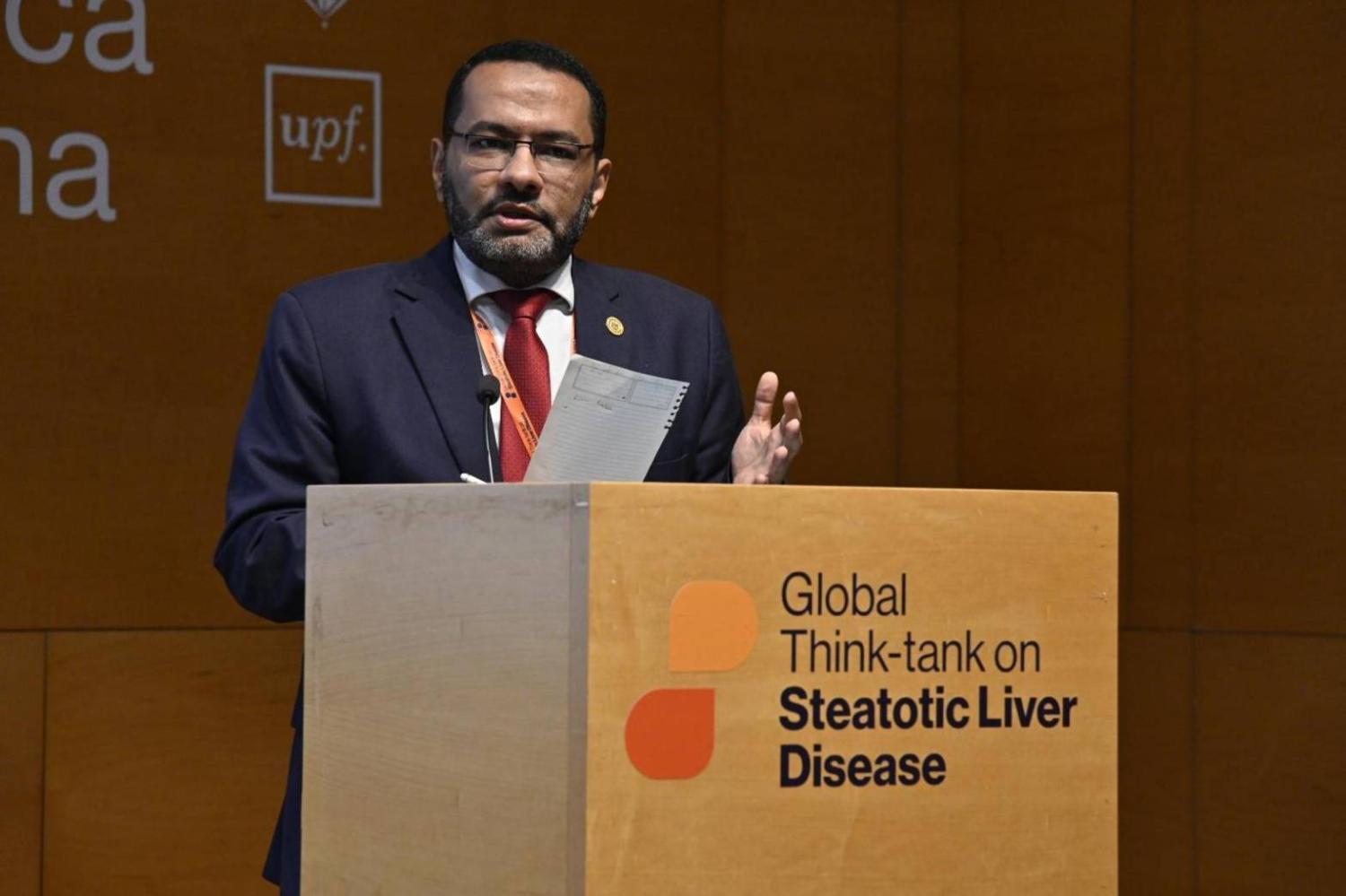
Speaking at the Barcelona meeting, Dr Mahamed Hassany, assistant health minister of Egypt, described SLD as one of the most urgent and rapidly growing health challenges of modern times. "The global response to non-communicable diseases will remain incomplete unless liver health is fully integrated into it," he said.
Dr Hassany said the disease continues to be under-recognised, under-diagnosed and under-prioritised despite its increasing prevalence.
"No country can address this challenge alone," he said, calling for coordinated engagement among governments, academia, civil society, international organisations, financing institutions and scientists.
He pointed to Egypt's hepatitis C elimination programme as an example of how political commitment can deliver results, citing a reduction in hepatitis C prevalence from 10% in 2016 to 1% in 2019 through early detection and free treatment.
At the WHA in Switzerland, Thailand's public health minister, Pattana Promphat, highlighted the role of AI and health data in strengthening health systems and supporting public-health initiatives.
Mr Pattana said the ministry was using health data to generate public benefits while safeguarding individual rights, and underlined Thailand's commitment to working with international partners to advance AI in healthcare as a tool for equity and sustainable health systems.