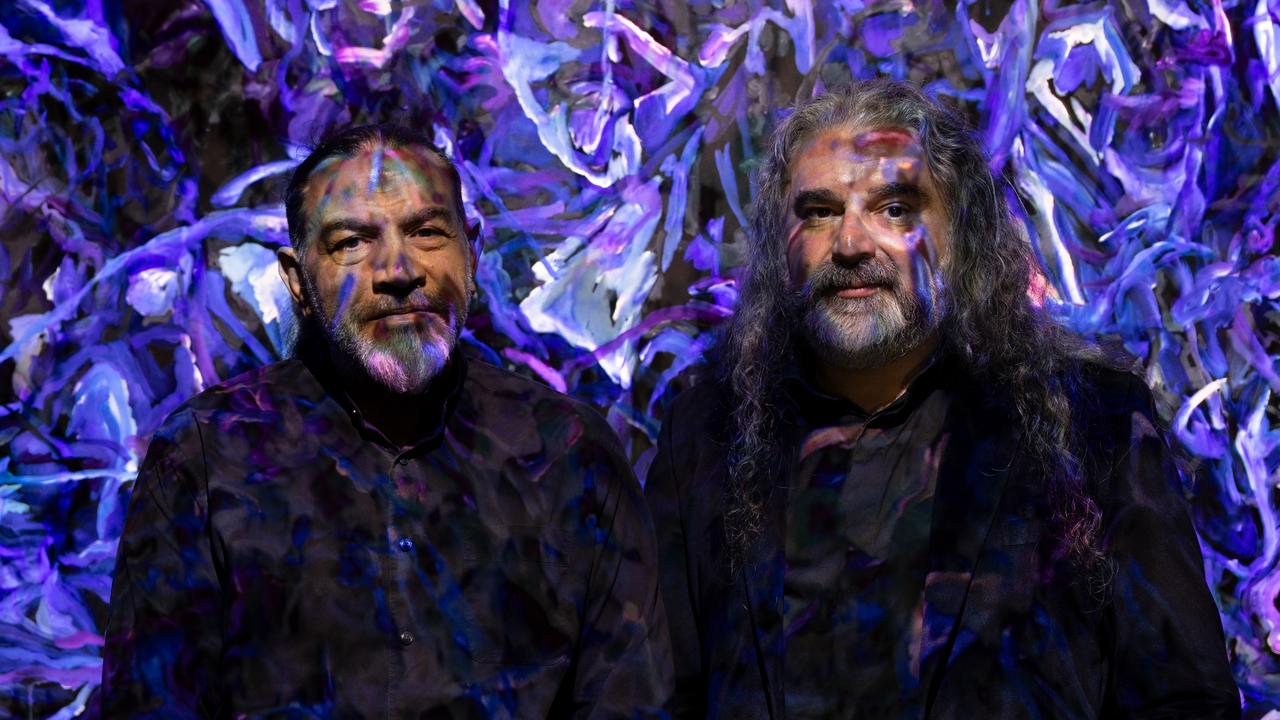
More than two decades in the making from conceptualisation to execution and after much controversy, visual artist Khaled Sabsabi's work has come to life at the world's most prestigious art event.
The Lebanon-born artist's trajectory to the 61st edition of the Venice Biennale - considered the Olympics of art - has been marked by blood, sweat and tears.
Sabsabi and curator Michael Dagostino have drawn on their long-time collaboration grounded in a slow slog building up cultural institutions in western Sydney.
Pulling off a rare feat, he is one of only a handful of artists in the Biennale's storied 130-year history to be displayed in the main exhibition grounds and the national pavilion.
Both works, a conference of one's self and khalil, are inspired by Sufism - a mystical branch of Islam - which he credits as instrumental to his artistic practice.
"For me tasawwuf (Sufism) has been a journey, reconnecting with a lineage and family history that were almost forgotten dreams but reignited that fire in my heart," he told AAP at the Biennale's Australia Pavilion.
"I'm not a saint, I'm not a prophet, I'm just a normal person."
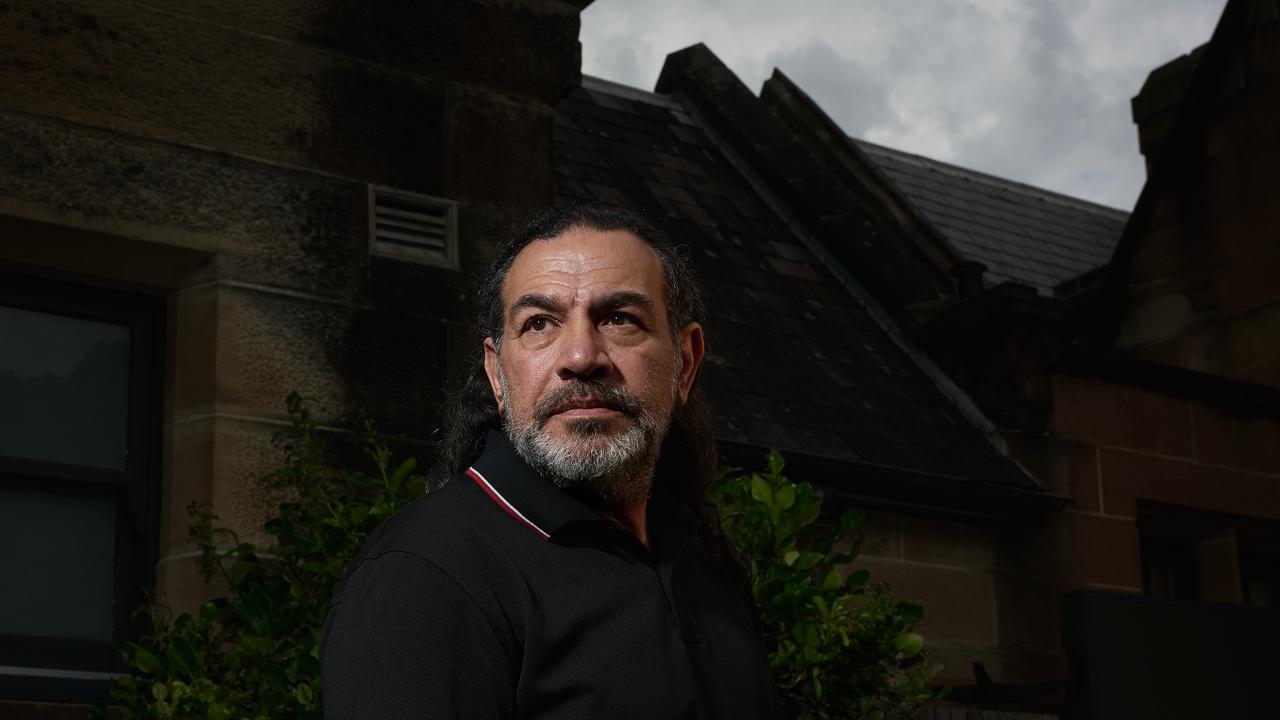
His self-assessment comes after his controversial dumping by Creative Australia, a week after he was selected to represent the country in February 2025, which followed a campaign by conservative politicians.
He was accused of being a terrorist sympathiser for an art piece that depicted slain Hezbollah leader Hasan Nasrallah in 2007 by pro-Israel groups.
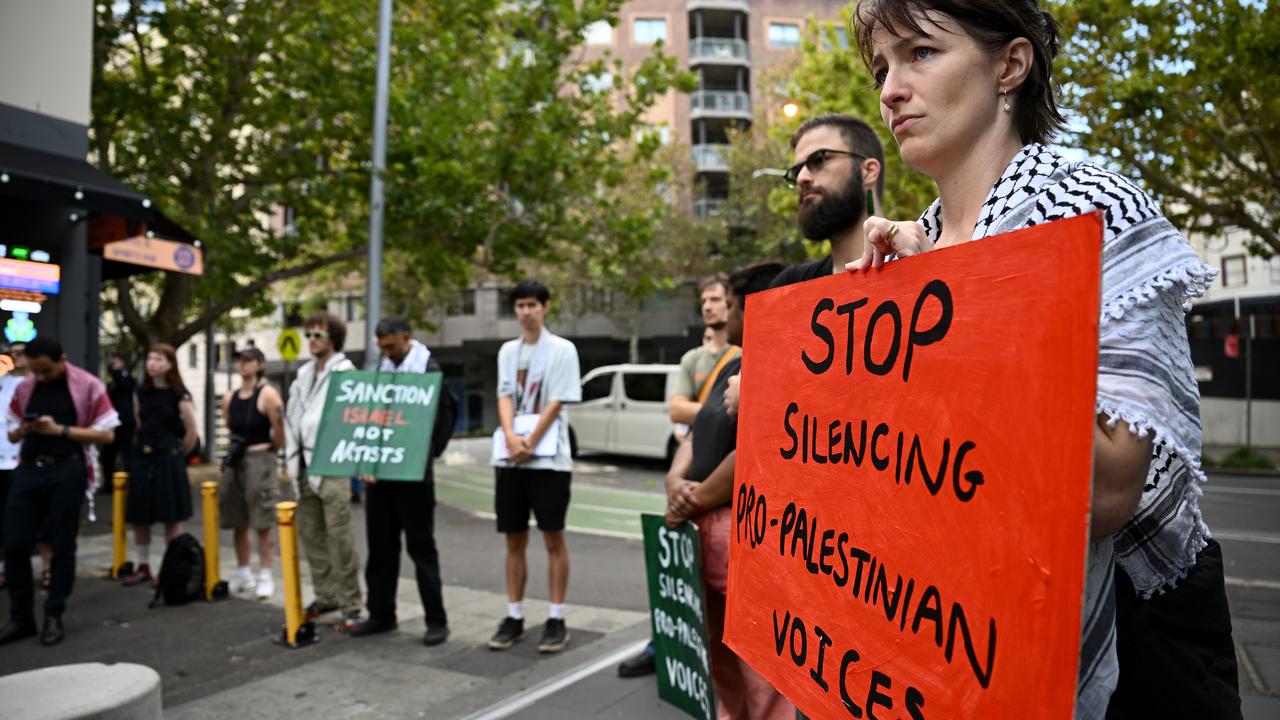
Sabsabi's axing caused a furore in the art world, with resignations, protests, boycotts and a parliamentary inquiry.
Six months later Sabsabi and Dagostino were reinstated.
Creative Australia chair Wesley Enoch, appointed after the fallout which included the board resigning, declared on Tuesday "the horrible questioning of Khaled is over".
He referenced the missteps that led to Sabsabi's cancellation and shredding of a sizeable contract, stopping short of apologising.
Former prime minister Malcolm Turnbull and his wife Lucy are ardent supporters of Sabsabi and have financially backed the project to see the light of day.
"I'm not a poet to adequately describe the impact of the works but it is very sensual," Mr Turnbull told AAP overlooking the canal dividing the pavilions.
"We've got a lot of hatreds and animosities being amplified and we need more reflection that this work invites."
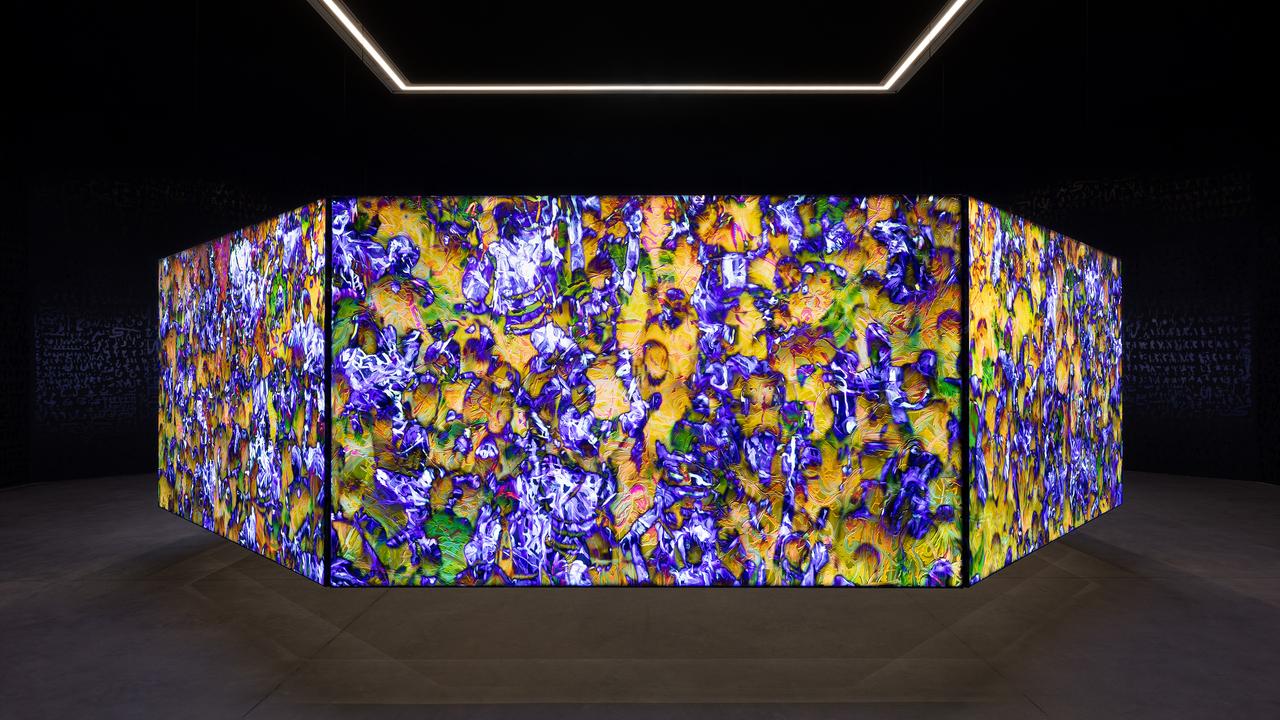
The Australia Pavilion multimedia installation "conference of one's self" comprises eight canvases measuring three by two metres arranged in an octagonal formation referencing migration and spirituality.
They are accompanied by video projectors lighting their surfaces with moving images in a 54-minute loop.
The static canvases change colours from deep green and yellow to purple, blue and black as indistinguishable and incomplete figures populate the piece.
Visiting from Florida, 72-year-old Rick Segal experienced the octagon shaped work riding his electric wheelchair.
He said he felt he was a part of the "compelling and welcoming" art piece.
The space surrounded by black walls at a height of eight metres are emblazoned by hand with embossed Arabic-like text that audiences touch, which took Sabsabi and Dagostino four weeks to spray paint.
The installation, a result of a feverish dream during Sabsabi's self-imposed exile in Bangkok after being decommissioned, is accompanied by a soundscape of everyday noises recorded on an old-fashioned analogue tape.
When investment banker and arts philanthropist Simon Mordant saw the completed work he burst into tears.
He was pivotal in mobilising support for Sabsabi to be recommissioned.
"We had fought so hard for it, I was really proud, and it was an emotional response," Mr Mordant said.
"It was a fight with a lot of hostility by people who didn't want Khaled to represent Australia but when you have a set of values, you have to stand by your values.".