
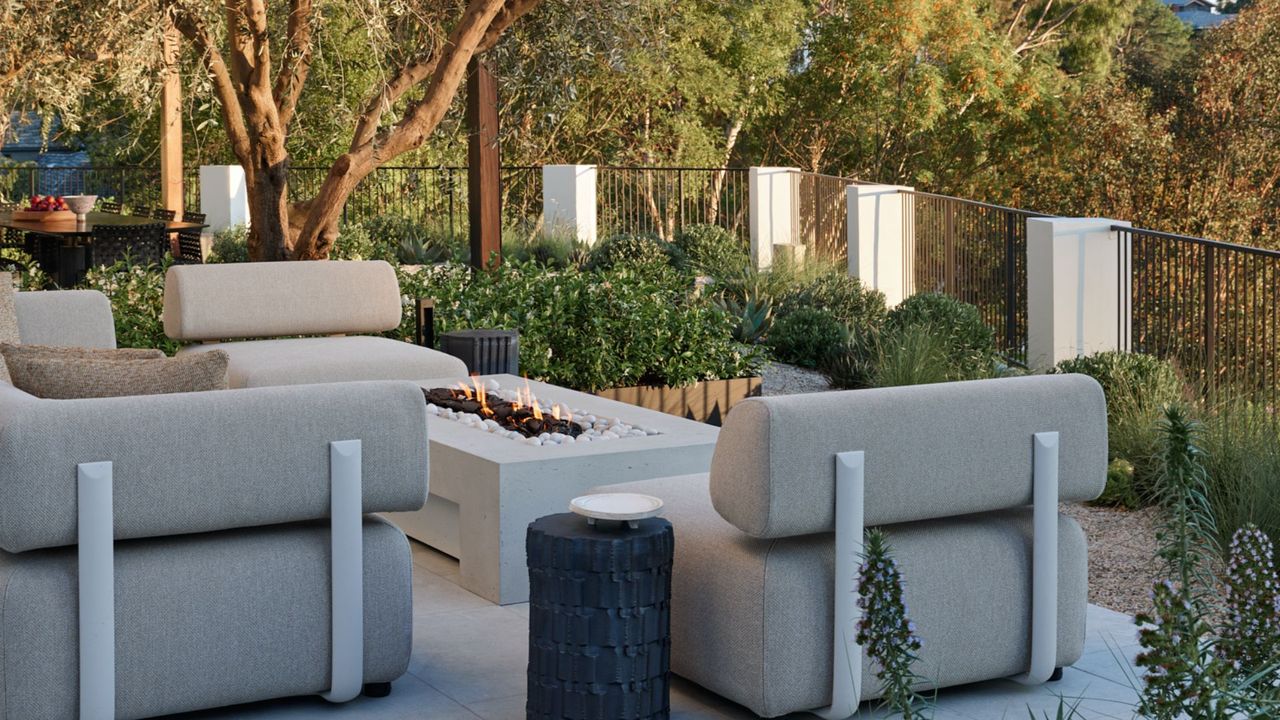
If you've spent even a single evening basking in the warm glow of an outdoor fireplace, then you know how calming it can be. However, it seems to be a key biophilic element that often gets overlooked when designing al fresco spaces.
Especially if you're looking for outdoor living room ideas to spruce up the space before spring weather warms, this is one element you'll want to consider with intention. So, I spoke to some biophilic designers about the importance of designing the element of fire into gardens.
And if you feel like your home is missing out, then there are some beautiful ideas to bring int into your garden, too. From chimineas to full firepits and torch lights, and more, here's how.
Why Is Fire an Overlooked Biophilic Design Element?
"Fire connects us with our ancestrality, calms our minds, and brings peace," says biophilic designer Guto Requena. "It’s fundamental for a true biophilic home that aims to slow us down from the overwhelming routine."
And it's not just about focusing on this element in biophilic interior design. Marianna Popejoy, biophilic designer and founder of At Home With Nature, tells me that prioritizing fire in outdoor zones is just as important.
"Fire is frequently the missing element in biophilic garden design. While light, planting, and even water are widely embraced, fire tends to be overlooked. Perhaps because it feels less essential, or even a little indulgent," she notes.
"There’s also a practical hesitation. Fire introduces considerations around safety, regulations, and maintenance, which can make it feel less accessible than simply adding raised beds or a set of festoon lights."
But she finds that the deeper reason is cultural. "Modern gardens are often designed for visual impact rather than usability or how they make us feel. Fire, however, is inherently experiential," she adds.
"It comes alive at dusk, invites people to gather, and engages multiple senses at once. It can’t be reduced to styling in the same way as a furniture set or a carefully curated collection of pots filled with seasonal bulbs."
Matt Aspiotis Morley, designer at Biofilico, tells me that fire may actually be the most primal of all biophilic elements. "Humans have gathered around fire for somewhere between 400,000 and a million years. It provided warmth, protection, cooked food, and — crucially — it structured social life," he explains.
"The fireside was our original communal space, the precursor to every talking circle, town square, and dinner table that followed. That evolutionary imprint doesn't disappear because we now live in apartments with underfloor heating. Our nervous systems still respond to flame in ways that are deeply calming and socially connective."
He goes on to tell me that research into what's sometimes called the 'hearth hypothesis' suggests that watching (and listening to) fire produces measurable reductions in blood pressure. "It's a passive, almost meditative response hardwired into us. No other form of garden decor does quite the same thing."
How to Bring the Element of Fire Into Your Garden Design
"Have you ever noticed how hypnotic staring into a flickering flame can be? How it effortlessly creates the right atmosphere in a social setting, putting people at ease without trying? There’s something deeply instinctive about it. Our attention softens, conversation flows more easily, and the space itself feels warmer, in every sense of the word," says Marianna.
"All of our senses become absorbed in the experience: the shifting light of the flames, the gentle crackle, the faint scent of smoke, the warmth against our skin. This kind of multi-sensory engagement is precisely what makes fire so powerful."
So, it's clear that fire is an essential element to biophilic design. But how can you design it into your urban garden? Well, here are some of the most stylish ways to do so.
1. Fire Pits As Social Anchors
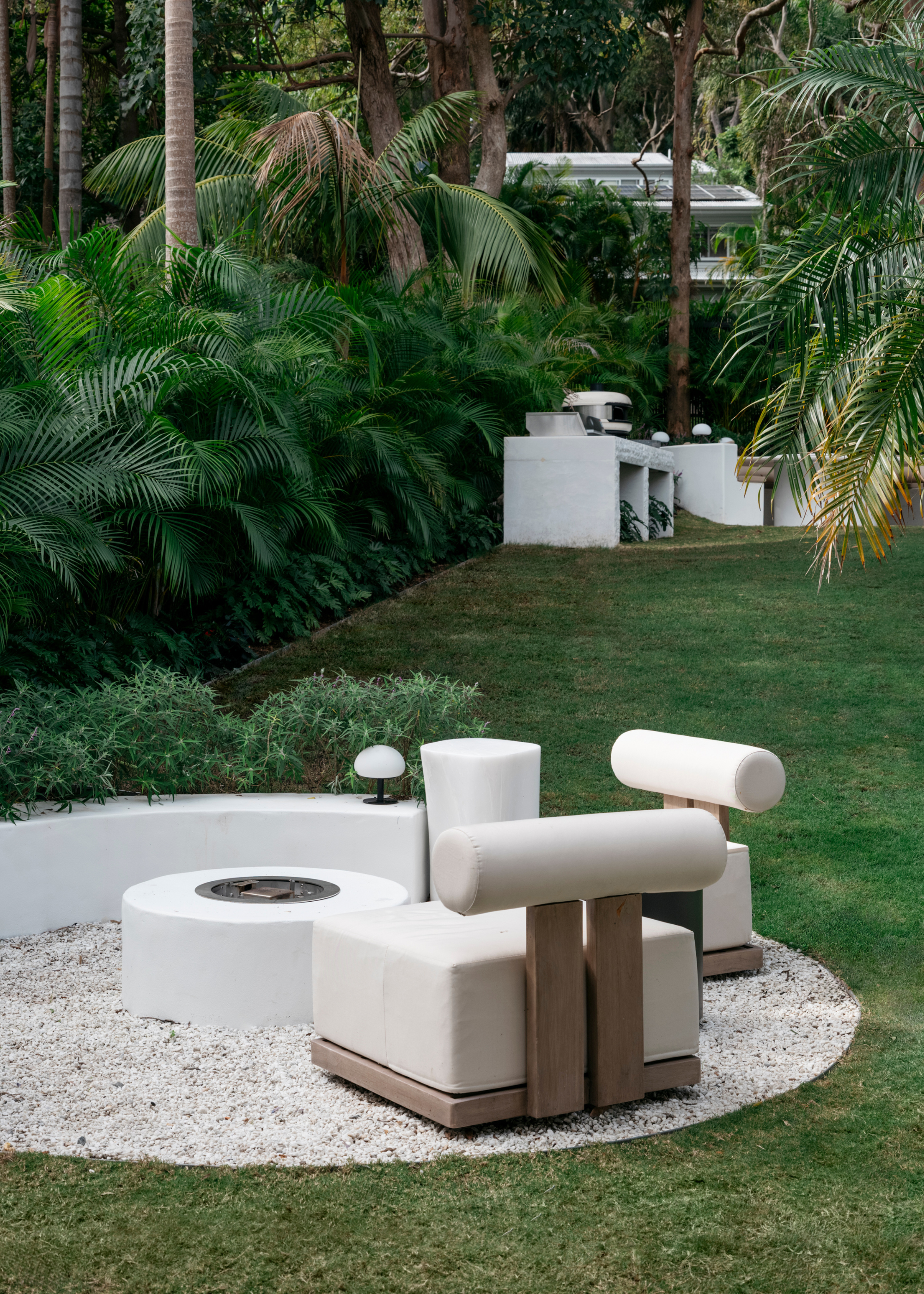
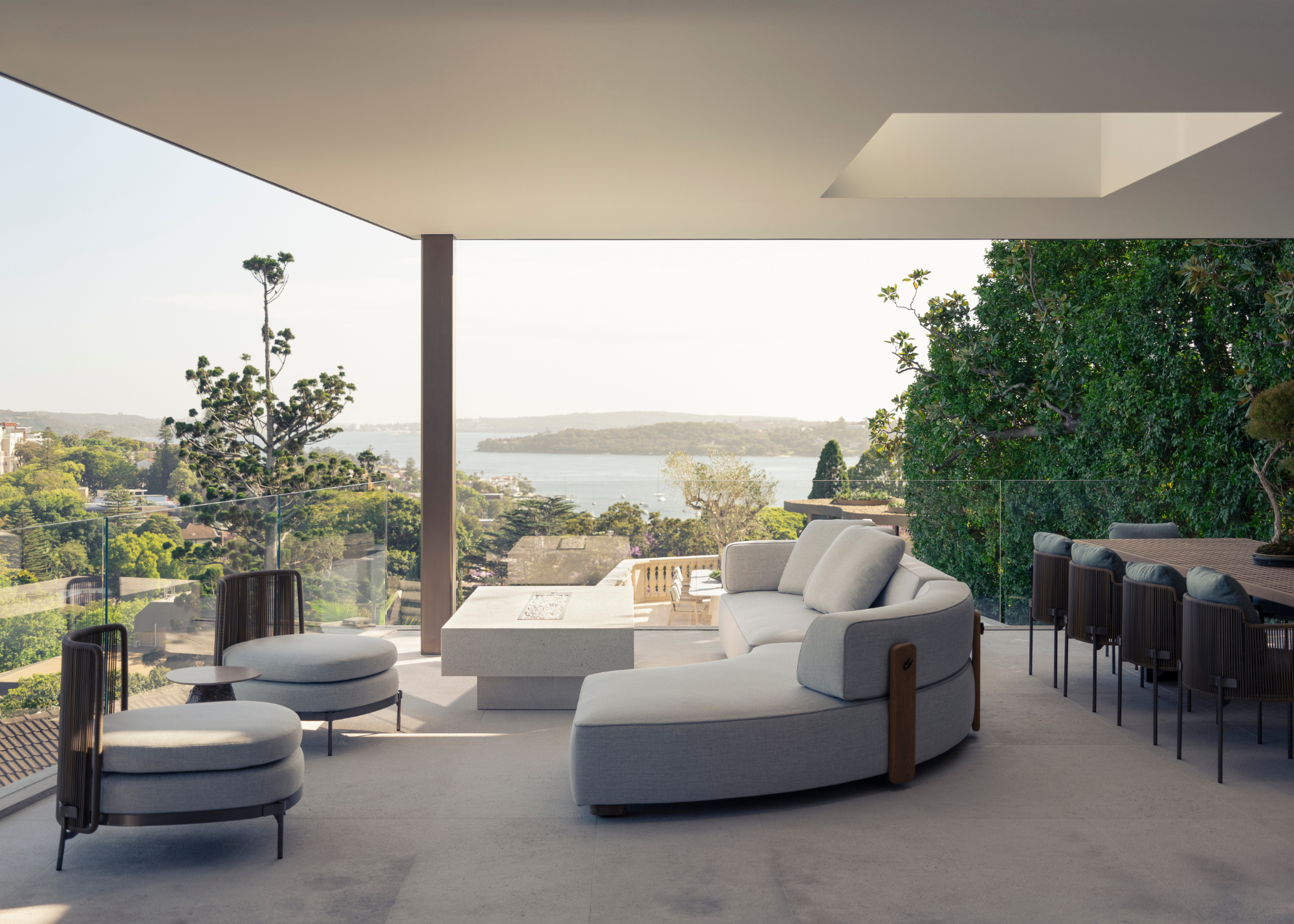
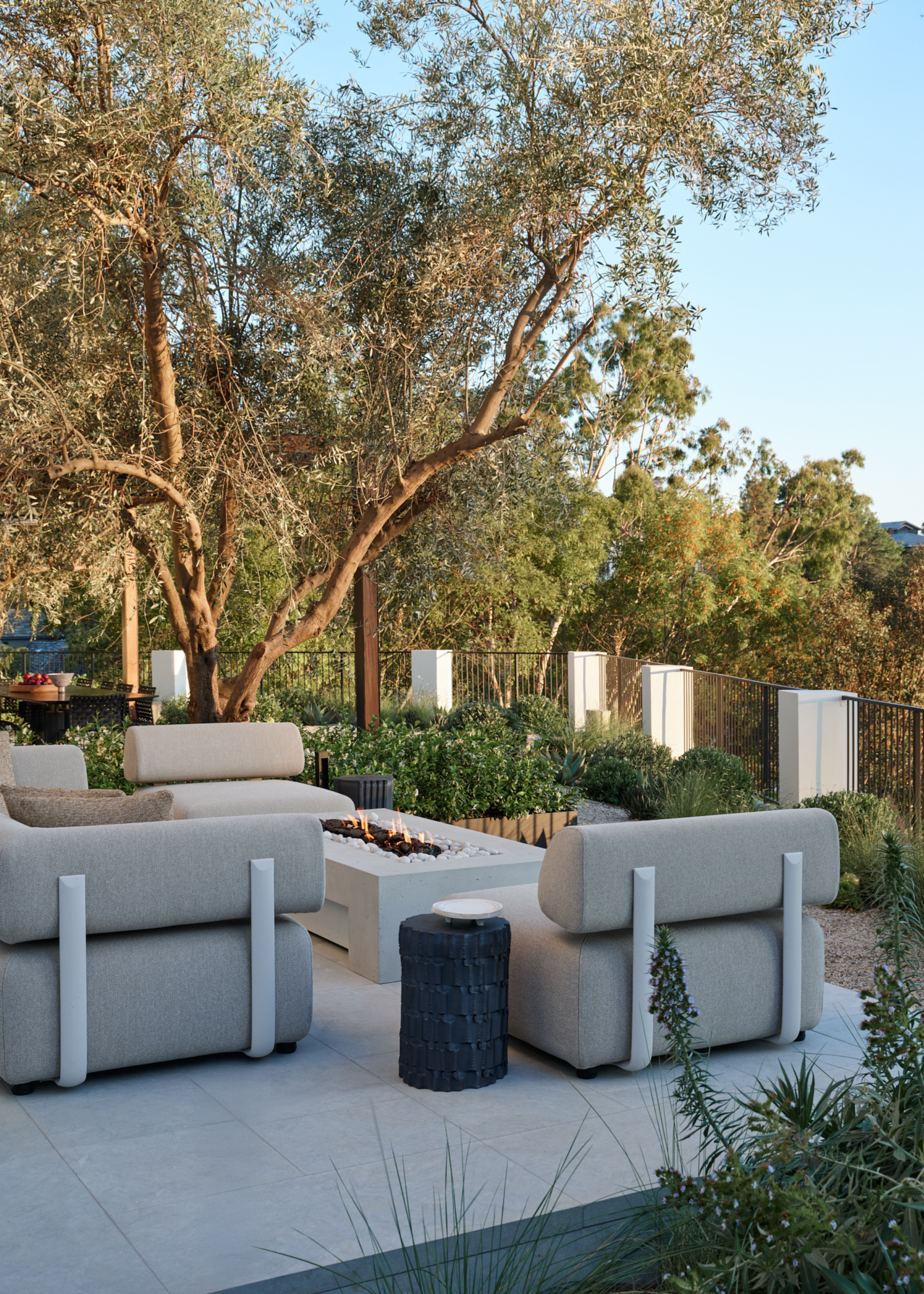
"A simple fire pit, built-in or portable, creates an immediate gathering point. Position it intentionally, with seating arranged to encourage conversation and connection, rather than just visual appeal," says Marianna.
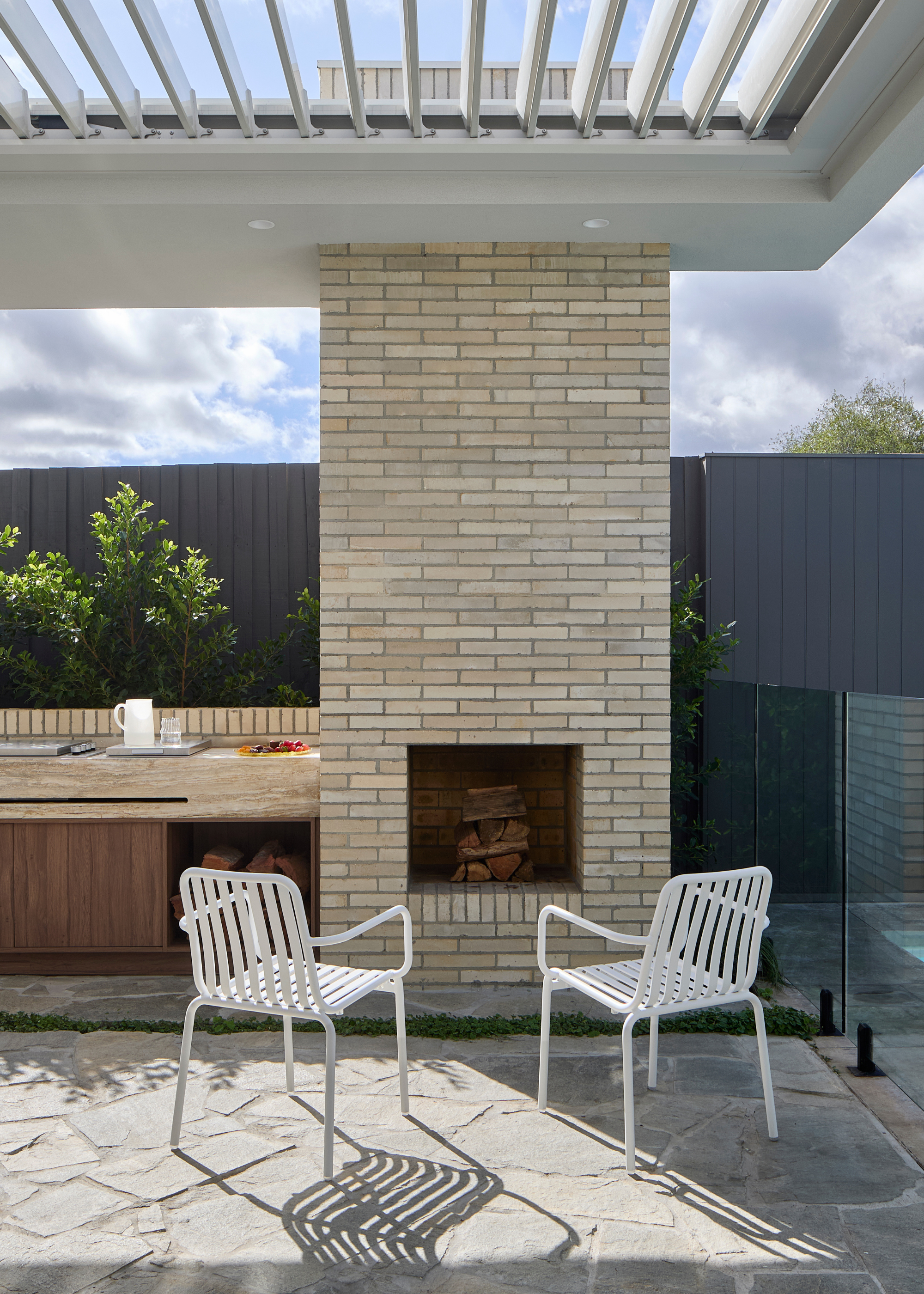
"Then there are block-built fireplace kits, fire tables, and full fireplace walls, making fire more accessible across a range of garden sizes. These features feel more architectural than a simple fire bowl and work particularly well in contemporary spaces, blending structure with atmosphere."
As far as outdoor fire pit ideas go, Guto tells me that a central circular fireplace with seats around it is the best way to bring it into your space. "You can surround the element with chic garden furniture to elevate this zone."
2. Chimineas and Contained Flames for Smaller Spaces
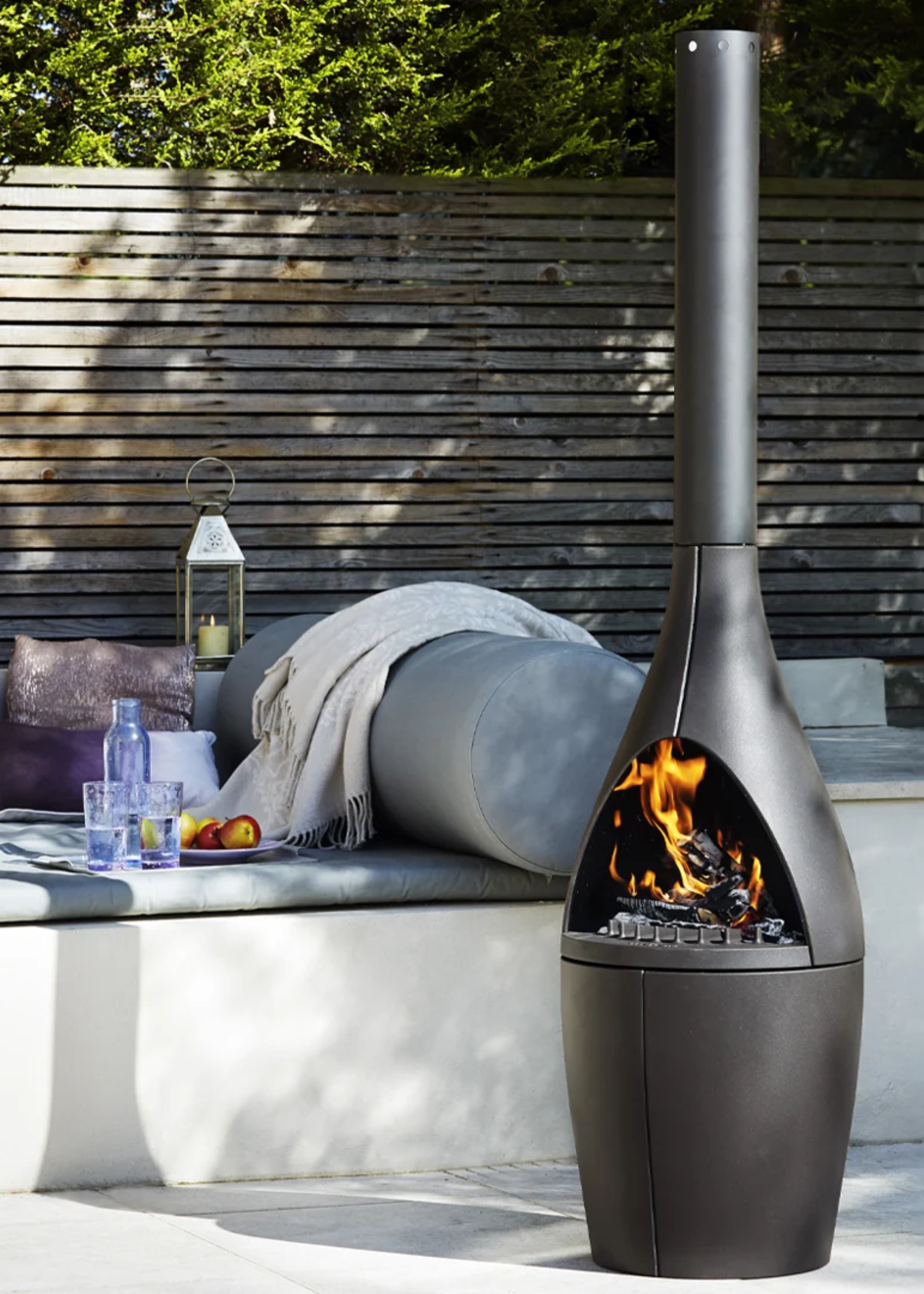
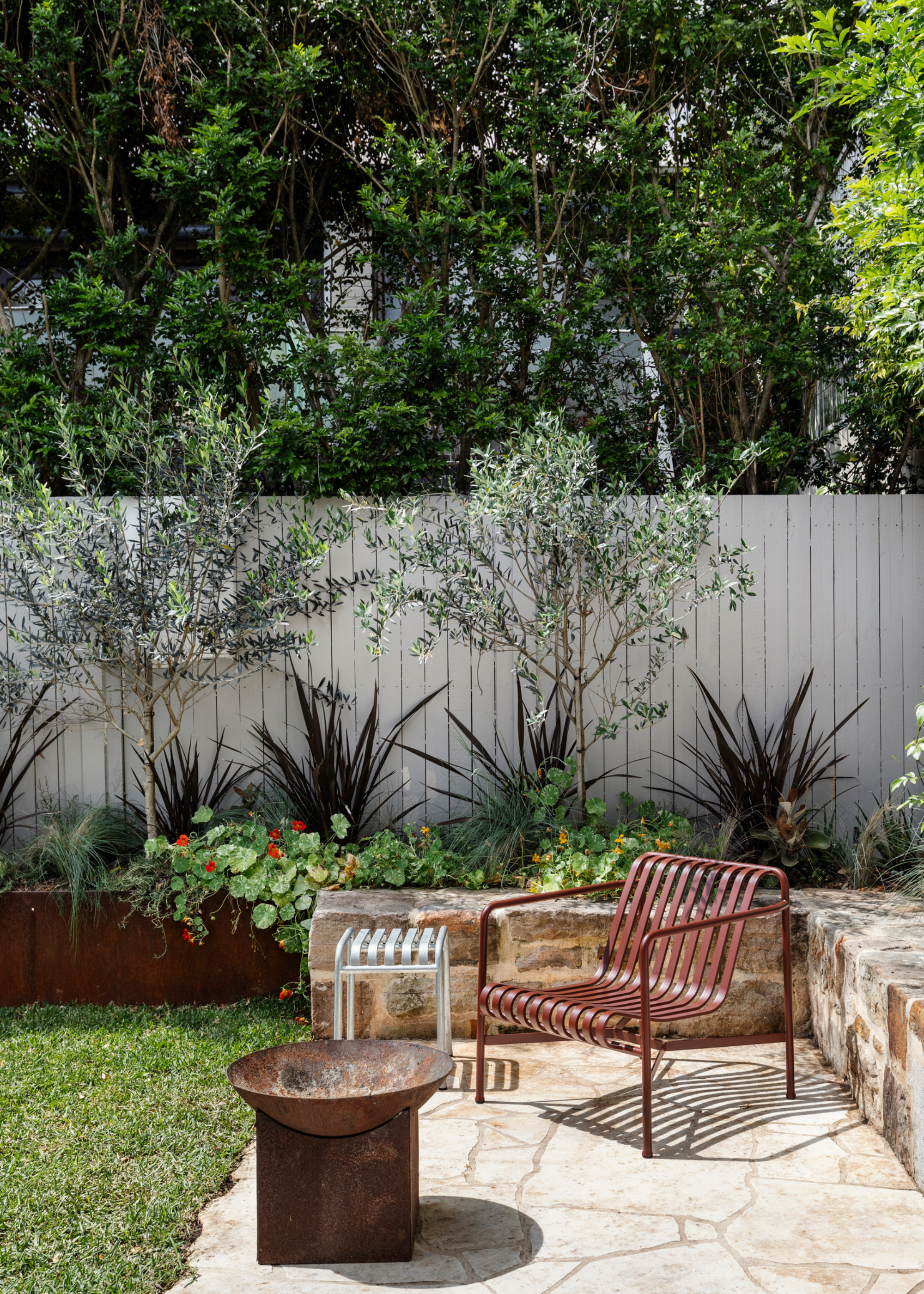
For urban gardens, terraces, or courtyards where an open pit isn't practical, Matt recommends a chiminea or enclosed fire bowl. It's also a great way to make a small garden feel more expensive.
"It brings the flicker and warmth without requiring significant space or infrastructure," he adds. "Even a modest flame shifts the psychological register of a garden entirely."
Marianne also suggests decorating with lanterns, tabletop fires, or recessed burners to introduce fire in a more understated way, saying: "These are ideal for smaller gardens or for layering into a wider lighting scheme."
3. Torch Lighting By Pathways
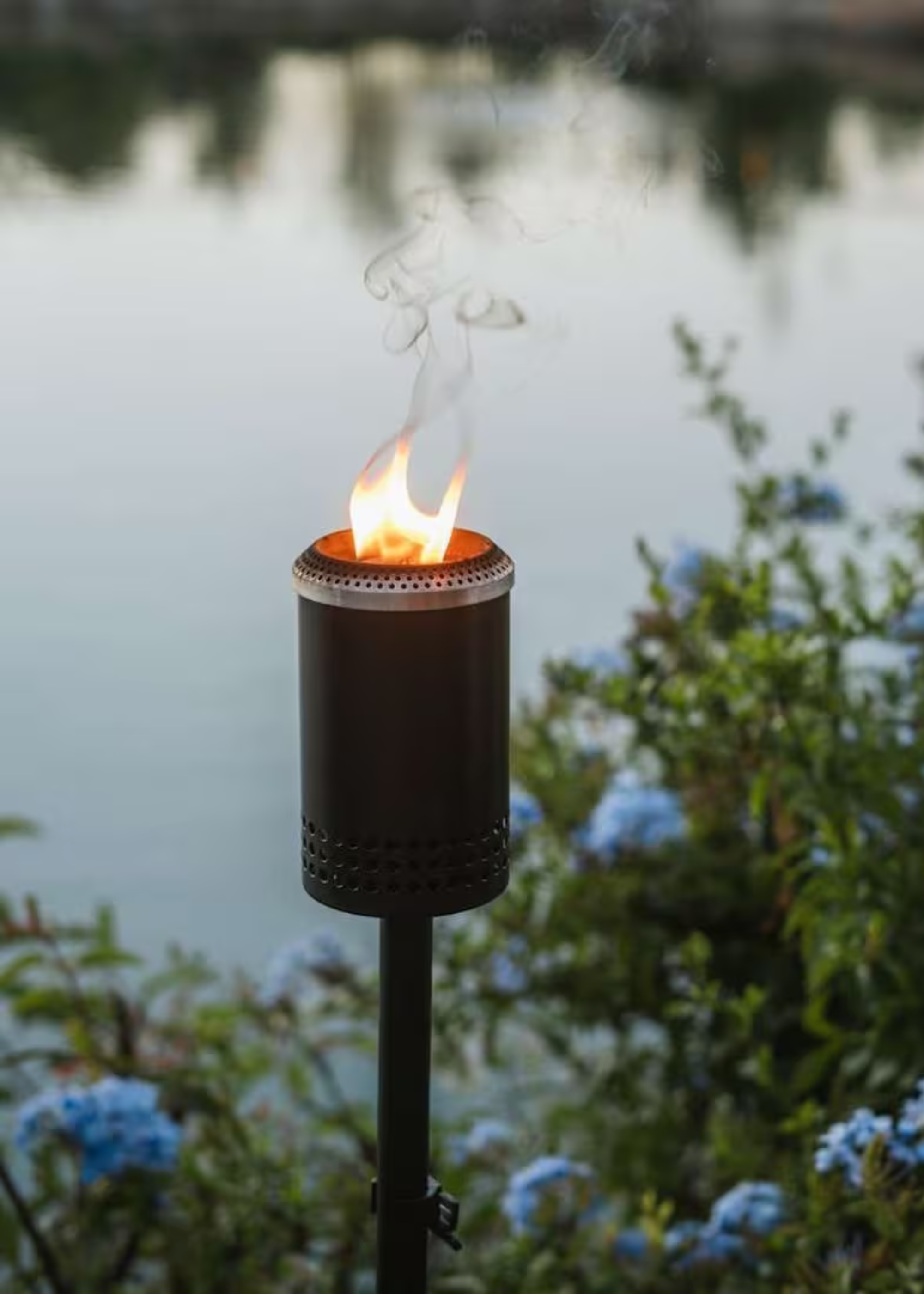
You don't have to make fire the main character in your backyard design, either. You can introduce it in even smaller ways to accent the space, and Matt's top recommendation is torch lighting.
"Low-level flame torches used to mark a garden path do double duty. Firstly, they're functional wayfinding at night," he prompts. "And secondly, they introduce the movement, warmth, and scent of real fire in a subtle, distributed way."
He explains that the effect is atmospheric without being overwhelming. And if you're looking for a mod style, Solo Stove torches (available from John Lewis) are a sleek choice for a more contemporary outdoor setting.
4. Paired with Water for Balance
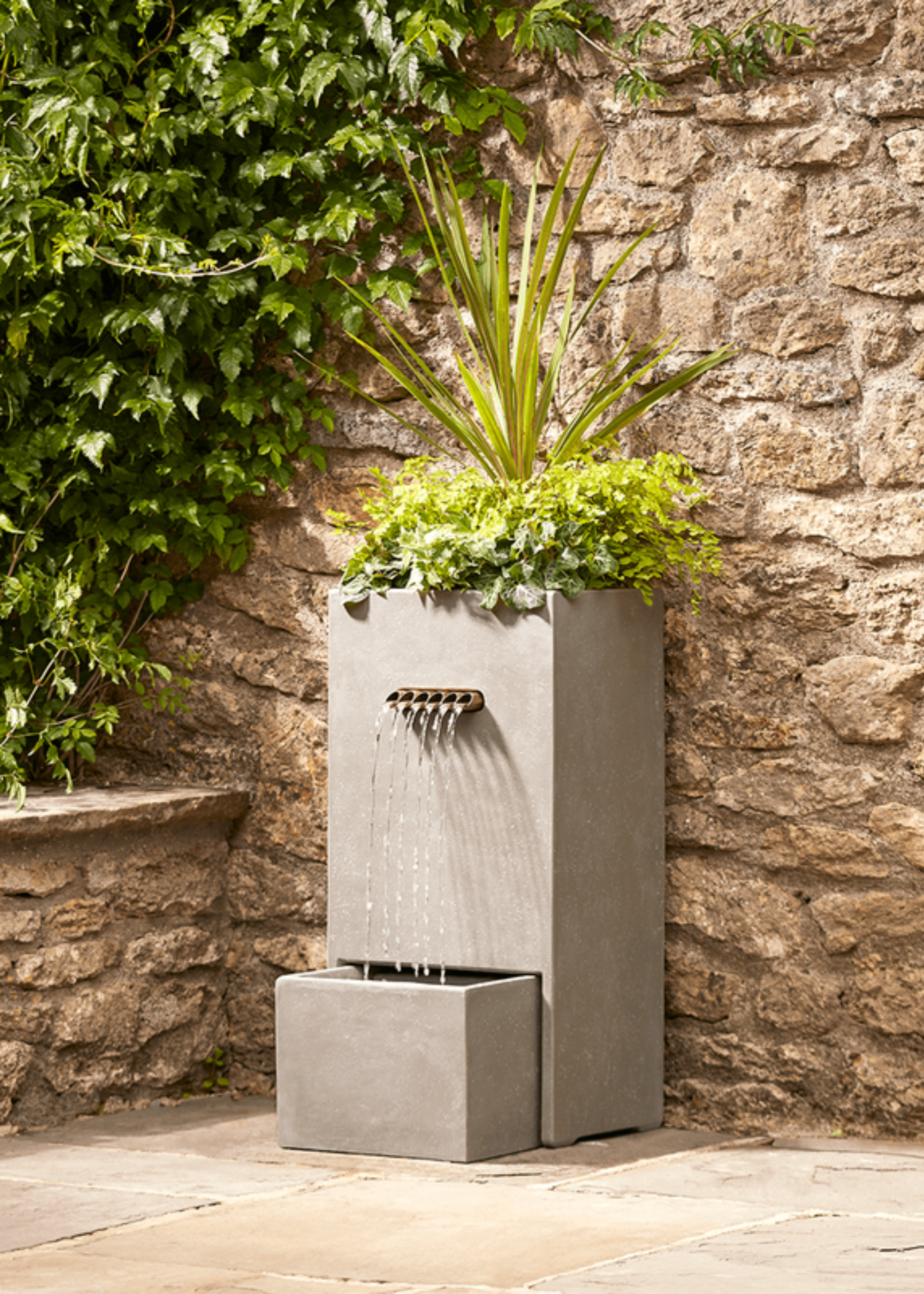
"Fire becomes even more impactful when combined with natural materials, water, and seasonal planting," says Marianne. "The contrast of flame against foliage, or reflected in water, enhances the overall sensory experience."
If you are combining these elements, I recommend using water features to make your garden feel more private, too. This will make your outdoor space so much more hardworking and allow you to lounge in peace.
This Industrial Style Water Feature from Cox & Cox allows you to plant some textural plants at the top, while adding a gentle flow of water to your backyard. It's a great counterpart to your fire element of choice.
5. Seasonal Rituals
Beyond the hardware, Matt suggests encouraging the use of fire as a seasonal ritual. Think a fire lit at the autumn equinox, or a midsummer gathering around a bonfire.
And since this year's garden trends are leaning more intentional and less performative, bringing fire into your space to commemorate a moment in time is a beautiful idea.
"Biophilic design isn't just about materials; it's about reconnecting people to natural rhythms," he notes. "And fire is one of the oldest ways humans have marked the turning of the year."
Color: Gray
With a 70-hour burn time, this fire pit from VonHaus is ideal for long weekend evenings spent outdoors.
Color: Sandy Beige
Crafted to be a forever addition to your garden, this Fire Pit Table from COSI is available in warm beige and cool black.
Size: Ø 60 cm x H 24 cm
This Fire Bowl Efesto from Bizzotto is another simple way to bring fire into your backyard.
Color: Black
If you have a small garden, and you want to introduce the element of fire, something like this Classic Steel Chiminea is a good choice.
Color: Black
This Bioethanol Concave Garden Fireplace from Fallen Fruits is great for a small patio or an outdoor seating nook.
If you're looking for more ways to revive your outdoor spaces right now, nature-drenching is the trend of the moment that's worth jumping on. And to learn about more overlooked garden design features, sign up for the Livingetc newsletter.