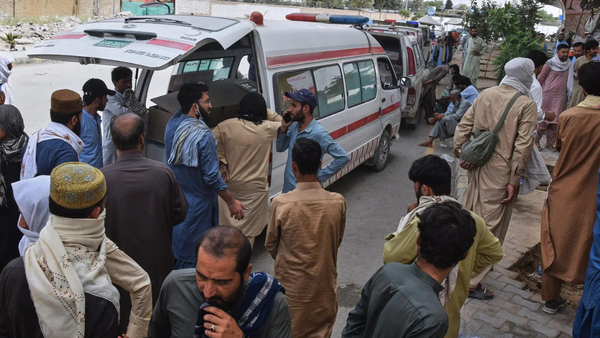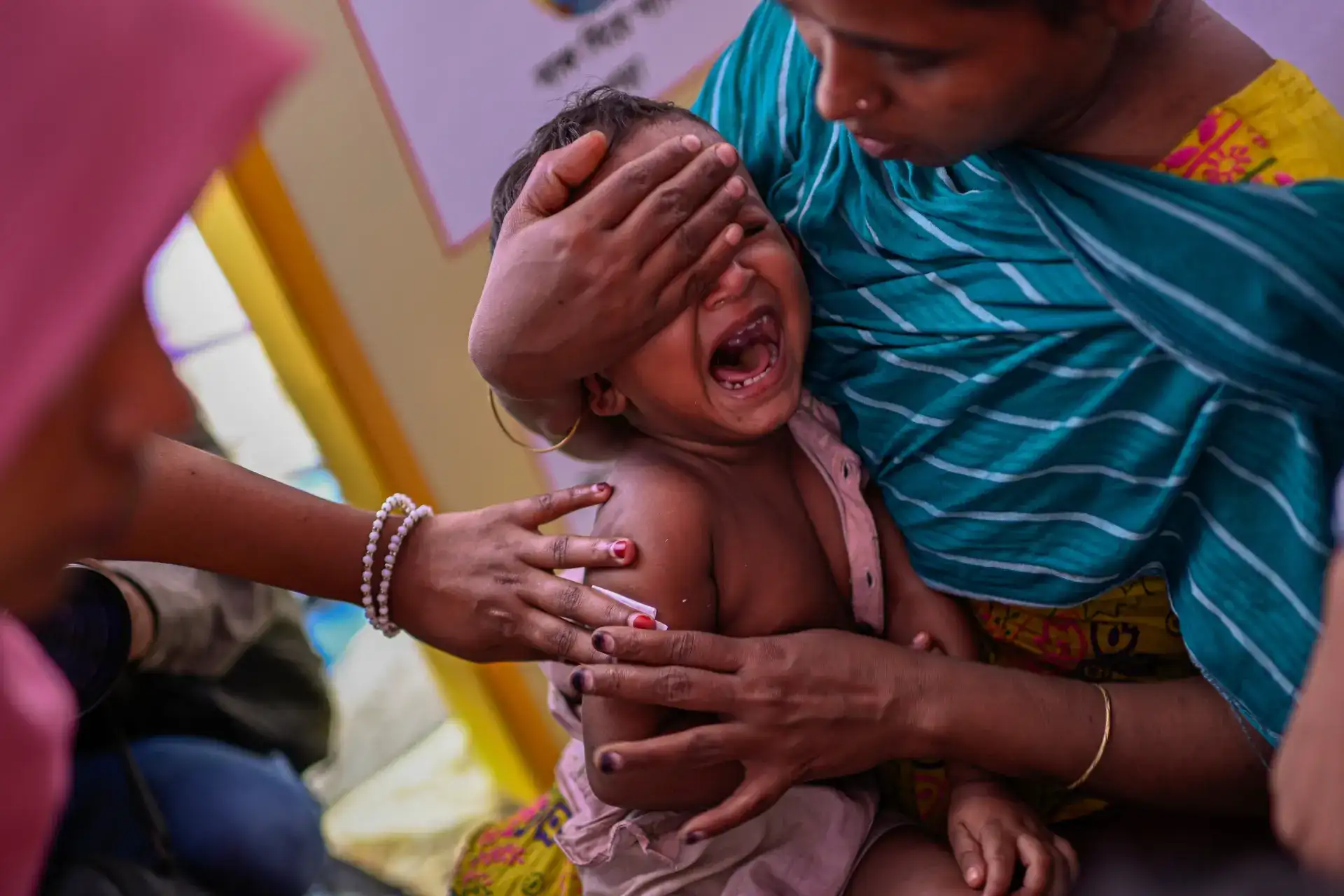
The world is worried over Hantavirus and Ebola but another deadly outbreak in India's neighbouring country Bangladesh has killed more than 500 people, mostly children under the age of 5, reports NPR. A devasting measles outbreak in Bangladesh has sparked concerns among the health officials and ever since the virus took off in mid-March, the country has reported more than 60,000 suspected cases and 528 measles-related deaths. Most cases recorded in Bangladesh have been among children aged between six months and five years.
"We've been crying out loud about this from the beginning, but it has been a silent situation," Hasina Rahman told NPR. "There hasn't been much attention around it." "It is huge, with just so much strain on the [health care] systems," says Rahman, who is the International Rescue Committee's deputy regional director for Asia.
ALSO READ: Harsh Goenka is super impressed with Japanese school lunches that even Americans admire
13 killed in single day
The measles outbreak in Bangladesh has led to the death of 13 children in just 24 hours alone, taking the total to 512, according to a health department tally that began on March 15. According to Al-Jazeera, hospitals in Dhaka have been overwhelmed with patients, but they lack sufficient numbers of intensive care beds.
ALSO READ: Bakrid Date in India 2026
Children under five are most vulnerable to severe infection and death, particularly those who have not been vaccinated or have only been partially immunized, health officials have said.
Daily death counts go up
In early April, Bangladesh alerted WHO to a measles spike. The measles cases were close to 20,000 suspected cases in 58 of 64 districts, with over 150 deaths. Since then, the outbreak has continued to grow.
Local news outlets now announce daily death counts — sometimes in the single digits but often higher. On May 14, 17 children died. The number of new suspected cases most days has topped 1,000 and on some days is over 1,500. As of May 24, the death count was 528. The current measles outbreak is now the largest in Bangladesh in decades.
"This is a massive outbreak with a lot of mortality," Dr. William Moss, an expert in measles at the Johns Hopkins Bloomberg School of Public Health who has been tracking the situation, told NPR. "It's not surprising at all that their hospitals are overwhelmed." He explains that, in addition to the risks associated with the measles infection, the virus weakens the immune system and patients can develop secondary infections that require medical attention.
Measles causes and symptoms
According to World Health Organization (WHO), measles is a highly contagious, serious airborne disease caused by a virus that can lead to severe complications and death. It can cause severe disease, complications, and even death and can affect anyone but is most common in children. Measles can cause severe complications, including pneumonia, brain inflammation and death.
Signs and symptoms
Symptoms of measles usually begin 10–14 days after exposure to the virus. A prominent rash is the most visible symptom.
Early symptoms usually last 4–7 days. They include:
running nose
cough
red and watery eyes
small white spots inside the cheeks
The rash begins about 7–18 days after exposure, usually on the face and upper neck. It spreads over about 3 days, eventually to the hands and feet. It usually lasts 5–6 days before fading.
Most deaths from measles are from complications related to the disease.
Complications can include:
blindness
encephalitis (an infection causing brain swelling and potentially brain damage)
severe diarrhoea and related dehydration
ear infections
severe breathing problems including pneumonia.
Vaccine and prevention tips
The best way to protect against measles is with the measles, mumps, and rubella (MMR) vaccine. MMR is safe and effective – serious reactions are extremely rare. Two doses of MMR vaccine are about 97% effective at preventing measles; one dose is about 93% effective.