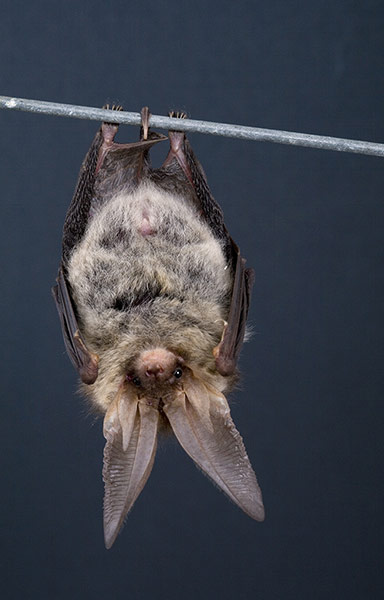
Equipped with ears almost the same length as its body, this widely distributed tree dweller, found in woodlands such as Northamptonshire’s Fineshade Woods, doesn’t have to pursue prey in flight; it also picks off invertebrates from leaves and bark. Hovering in the canopy, brown long-eareds listen for the sound of a moth’s wings beating and then pounce.
Photograph: Getty
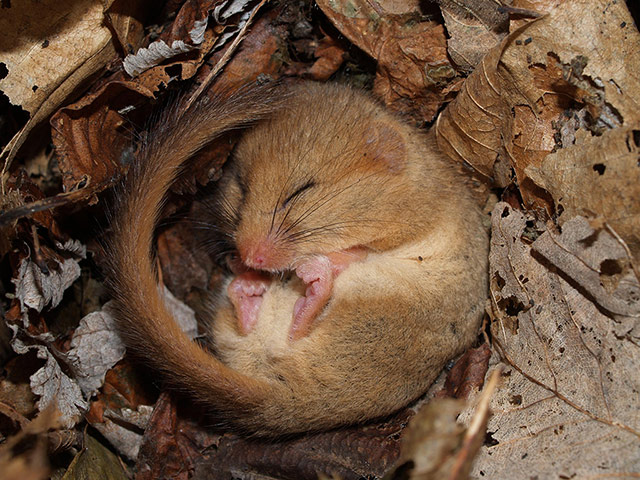
With its thick ginger fur coat and long tail, the hazel dormouse is a strong contender for the most endearing mammal in England. Shame it's very rarely seen, even in woodlands with known populations such as Alice Holt Forest in Surrey. Search in coppice woods for nibbled hazelnuts with spherical holes.
Photograph: PA Wire
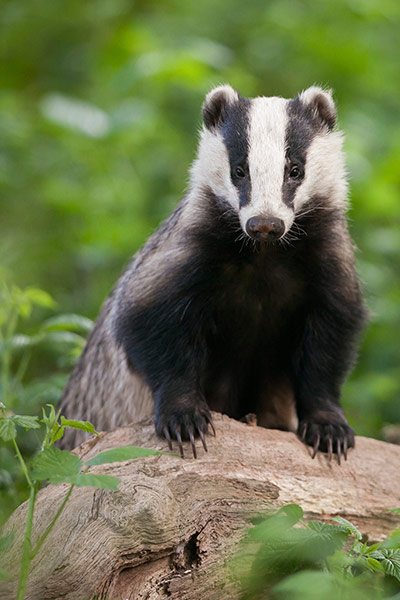
Tracking badgers in woodlands such as Yorkshire’s Dalby Forest requires detective work. Look for a clear trail across grassland leading into woods, dung holes and coarse fur snagged on brambles or fencing wire. Setts tend to be on sloping ground and have a mound of excavated soil near an entrance hole.
Photograph: Getty
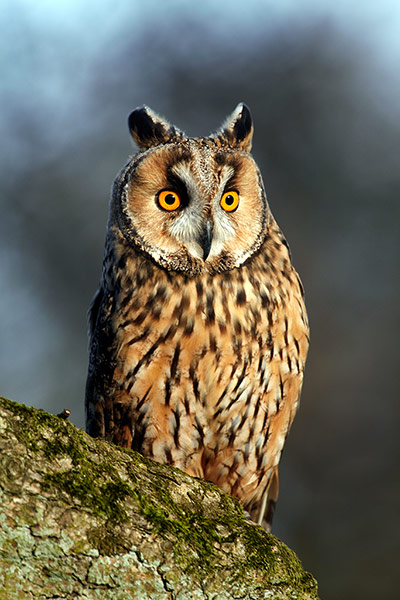
Unlike the day-flying short-eared owl, the nocturnal long-eared owl is an altogether more secretive bird, except during short summer nights when you may see one at dusk flying out of woodlands such as Wyre Forest in Worcestershire on a hunting trip. Its “ears” are impressively long but they are in fact tufts. Photograph: LatitudeStock - Ron Badkin/Gallo Images
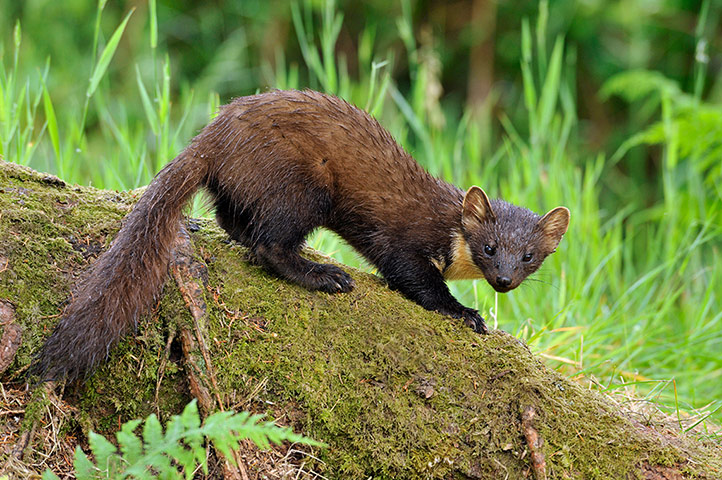
A secretive, nocturnal mammal that lives a solitary life in remote forests – in England they’re confined to northern uplands like Grizedale Forest – the pine marten is not easily encountered. Forestry Commission woodland expansion in the 20th century helped save the pine marten from extinction. Photograph: Alamy

Looks like a bird of prey, sounds like a frog, hides during the day: this “hawk of the night” is one of the most mythicised of all English birds. Woodlands bordering open heathland or recently cleared conifer plantations are the nightjar’s favourite hunting grounds. Try Devon’s Haldon Forest Park.
Photograph: Rex
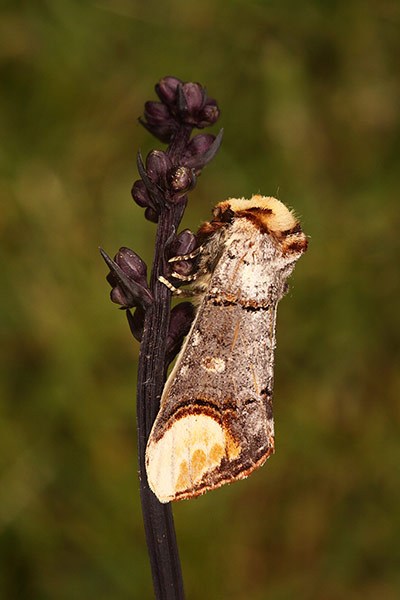
Master of camouflage, the buff tip moth (such an unremarkable name for an extraordinary creature) resembles a broken twig of a silver birch tree. It spends the day on woodland, park and garden floors or in the branches of trees where its effective twig disguise keeps it safe from predators.
Photograph: Getty

Hawk-moths are some of the most impressive invertebrates in England, known for their exquisite wing colourings and patterns. This species rests with its jagged-edged wings open to effectively mimic the leaves of broadleaved trees and, in common with all hawk-moths, it flies rapidly – as its name suggests. Photograph: Alamy

One of the most recognisable calls of any English bird, the tawny’s “twit-twoo” is in fact a duet between a male and female bird. Often you will only hear a “twit” (more like a “ke-wick”) or a “twoo”. Tawnys inhabit a range of woodlands including conifer plantations, notably Kielder in Northumberland.
Photograph: Alamy
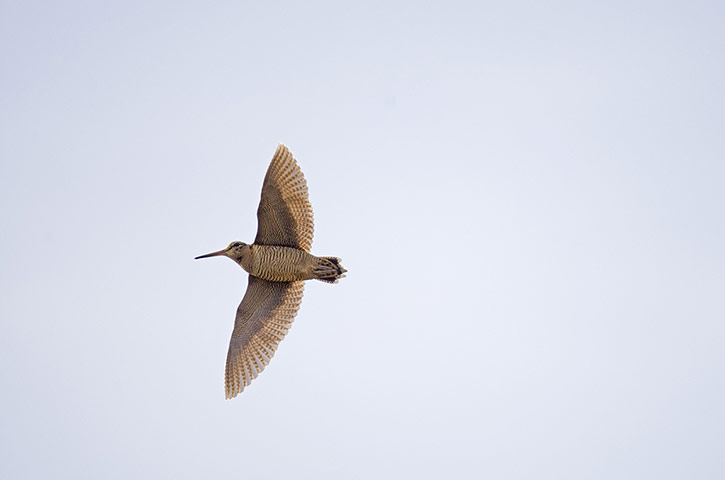
A wading bird that you are more likely to chance upon than successfully seek out. When accidentally disturbed, woodcocks bolt from the undergrowth in open woodland glades, for example, in East Anglia’s Thetford Forest. Males perform a territorial display flight, known as "roding" above the tree canopy from March to July. Photograph: Alamy