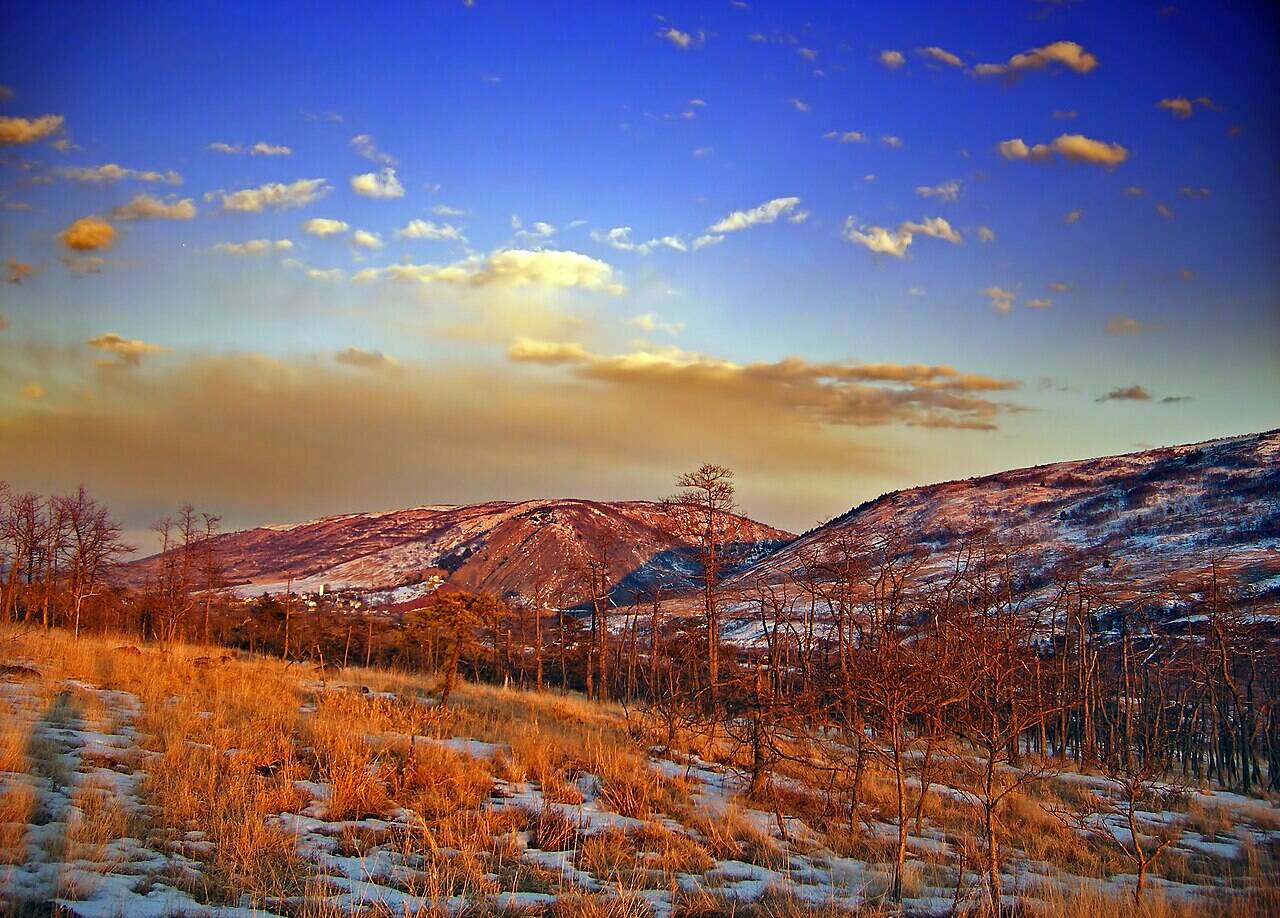
During the earlier parts of the twentieth century, Blue Mountain in eastern Pennsylvania provided a grim picture of the cost of heavy industry to the environment. Over many years, large zinc factories in Palmerton emitted vast amounts of metal-laden smoke into the surrounding area. The once-forested mountain gradually became barren, with little vegetation or wildlife habitat. The area became one of the worst examples of industrial pollution in the country.
Get breaking news anytime, anywhere. Download the TOI app now!
The long-term impact of the emissions is documented in a USGS report . The report explains that the two zinc smelters operating in Palmerton emitted exceptionally large amounts of contaminants into the surrounding environment over many decades. Fine particles carrying zinc, cadmium and lead settled across the mountain, building up in the soil year after year. By the time the smelters stopped operating, the pollution had altered the chemistry of the landscape so extensively that many native plants could no longer grow normally.
The researchers found that the contamination affected much more than the mountain’s appearance. The accumulation of heavy metals in surface soils created an environment that was not conducive to seedling development and was harmful to existing vegetation. With degradation of forests, the unprotected soil became susceptible to erosion, while reduced vegetation meant a reduction in habitat space for many animals. In addition, the contaminants entered the local ecosystem, posing a risk of high levels of heavy metal exposure to insects, birds, and small mammals.
How pollution changed the mountain
Soil pollution was not the only factor contributing to the mountain’s damage. Years of emissions left trees and vegetation coated in contaminants, which interfered with their growth, according to the USGS report. Eventually, the plants died because they could not regenerate in the heavily polluted soil. In turn, the lack of sufficient vegetation caused erosion from rainwater.
Scientists observed that different plant species responded differently to the pollution. Some proved more tolerant of contaminated conditions, while many native species disappeared from the most severely affected areas. Soil microorganisms, which normally play an essential role in recycling nutrients and supporting healthy forests, were also affected by the high concentrations of metals. The combined effect created a cycle in which damaged soils limited vegetation, and the absence of vegetation left soils increasingly exposed.
The ecological consequences reached beyond plants. The report says wildlife in contaminated habitats could absorb metals directly from food or soil. Animals feeding on insects or vegetation from polluted areas were therefore exposed to contaminants that had accumulated within the ecosystem. Although the extent of exposure varied between species, the findings demonstrated that decades of industrial emissions had altered multiple parts of the local environment rather than affecting only the forests themselves.
Even after the smelters stopped releasing pollutants, the ecosystem could not recover quickly on its own. The contaminated soils remained in place, continuing to limit the growth of native vegetation. Without intervention, many of the barren slopes would likely have remained largely unchanged for years because the underlying environmental conditions had not improved enough to support widespread natural regeneration.
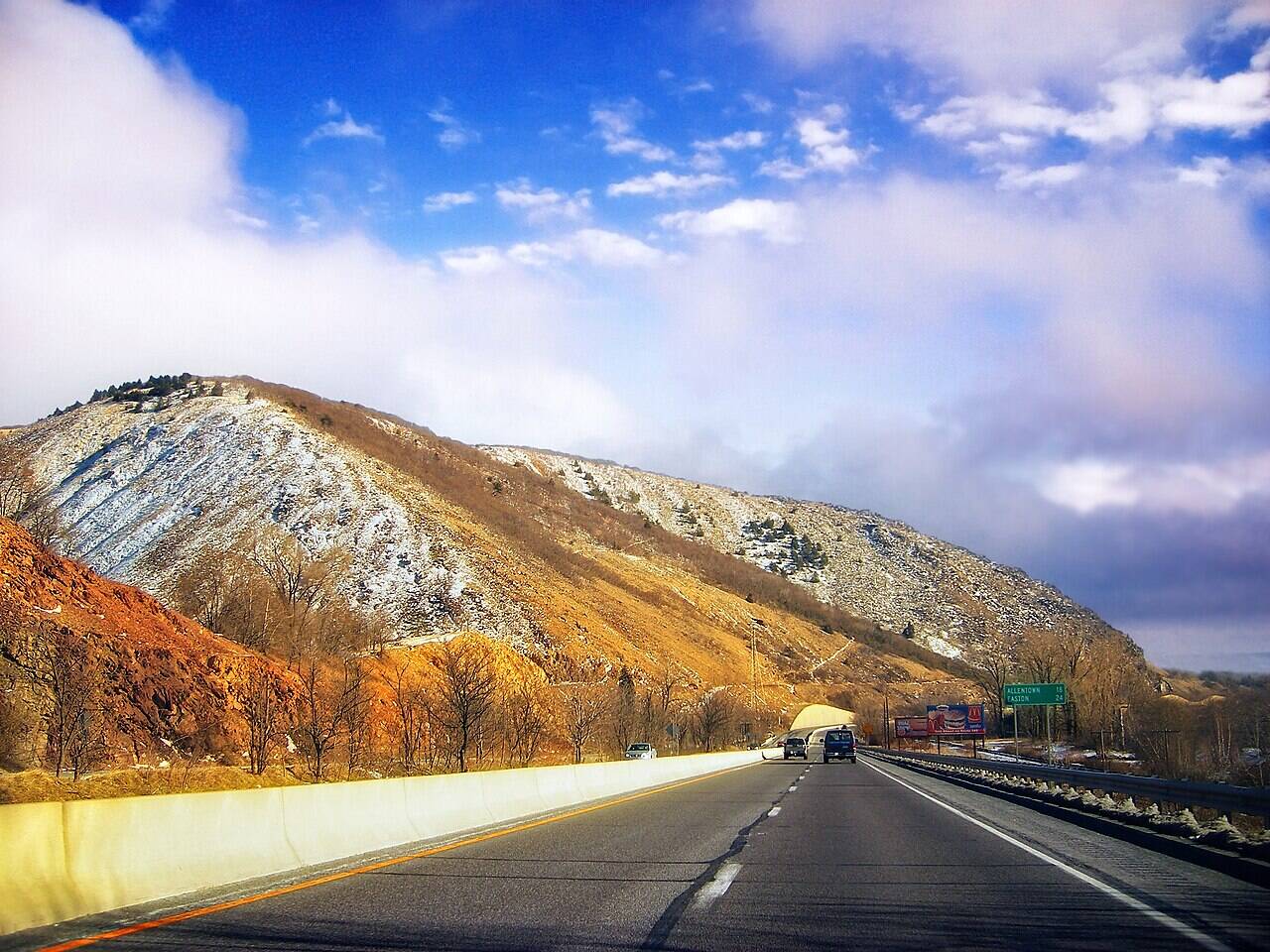
Rebuilding a damaged landscape
Large-scale restoration eventually became a priority. The Reclamation of Palmerton Zinc Superfund Site document describes how rehabilitation efforts focused on improving soil conditions so that vegetation could once again become established across the damaged mountainside. One of the most important steps involved spreading mushroom compost over extensive areas of contaminated land. The organic material helped improve soil structure and created conditions that allowed grasses and other plants to take root more successfully despite the legacy of metal contamination.
Because much of the affected terrain was steep and difficult to reach, conventional ground equipment could not always be used. Aircraft played an important role by distributing materials over large sections of the mountain, allowing restoration teams to treat areas that would otherwise have been extremely challenging to access. Once the compost had been applied, seeds and other soil amendments were introduced to encourage vegetation to become established across the slopes.
The restoration programme was designed to reduce erosion while gradually rebuilding vegetation cover. As vegetation returned, roots helped stabilise the soil and reduced the amount of sediment being washed downhill during storms. Over time, the recovering plant communities also began providing habitat for wildlife that had largely disappeared from the most heavily damaged areas.
The recovery has not erased the environmental history of Palmerton, nor has it removed every trace of contamination from the landscape. Instead, the restoration represents a long-term effort to manage the legacy of decades of industrial pollution. The work illustrates how damaged ecosystems can begin to recover when contaminated land is carefully treated and stabilised, even though the process requires sustained commitment over many years.
Palmerton's recovery illustrates that restoring a heavily polluted landscape is a long-term process, with decades of soil treatment, reforestation, and monitoring gradually bringing vegetation and wildlife back to Blue Mountain.