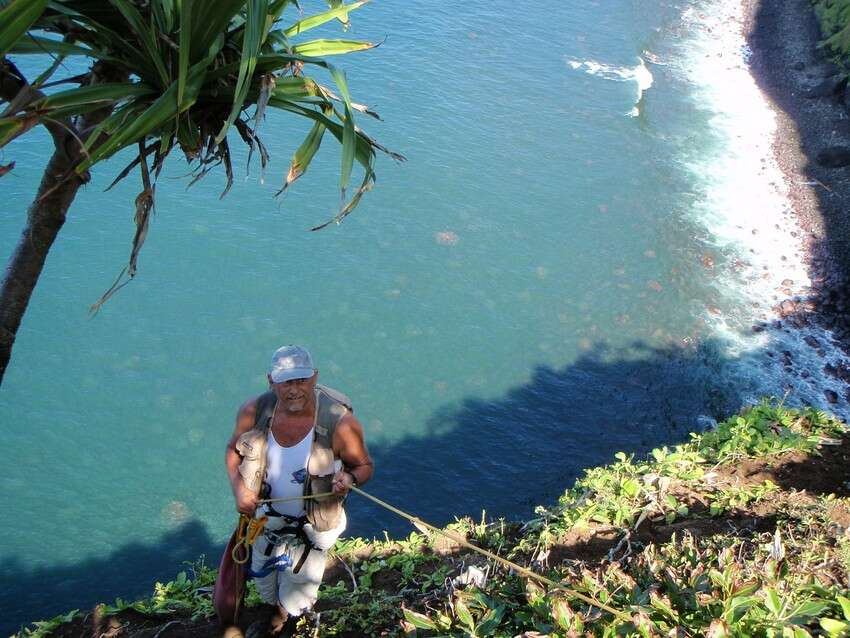
While many conservation efforts focus on threatened animals, some of the world’s rarest plants are being preserved through equally demanding efforts. An example of such efforts is seen in Hawaii, where botanist Steve Perlman spent nearly thirty years climbing extremely tall sea cliffs without the use of any safety devices in order to artificially pollinate plants that could no longer reproduce by themselves.
Get breaking news anytime, anywhere. Download the TOI app now!
Perlman’s story has drawn attention after conservation organisations highlighted the lengths conservationists sometimes go to save rare plant species from extinction. According to the National Tropical Botanical Garden (NTBG), Perlman climbed the 3,000-foot sea cliffs on Molokai to reach plants growing in areas that were virtually inaccessible to anyone else. Such efforts were crucial for the survival of some of the rarest species of native Hawaiian plants.
Why human assistance was required for the survival of these plants
According to a review published by the United States Geological Survey (USGS), Hawaii has exceptionally high levels of plant endemism, meaning many of its native plant species are found nowhere else on Earth. However, these unique species also face an unusually high risk of extinction due to habitat loss, invasive species, grazing by non-native animals, plant diseases and the growing impacts of climate change.
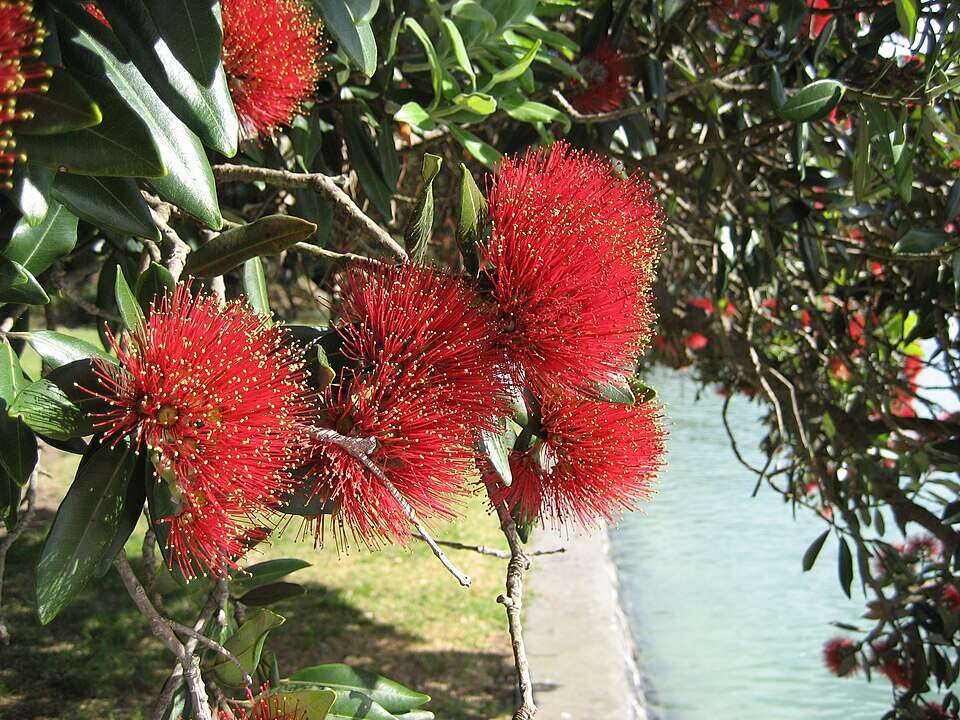
The review says Hawaiian forests are useful for science because their low species richness makes them a manageable model for studying community assembly, local adaptation and species interactions. It also notes that the forests are dominated by the widespread Metrosideros species complex, and that conservation now depends on managing non-native species, novel pathogens, lost mutualists and altered ecosystem dynamics.
Some rare Hawaiian plants survive as only a few individuals, too few for natural pollination to occur. Moreover, the decline of native pollinators in certain regions has made the situation worse for these plants. As reported by the National Tropical Botanical Garden, hand pollination has become a vital conservation measure for some endangered Hawaiian species.
Climbing cliffs few people ever reach
Steve Perlman is an "extreme botanist" who works with Hawaii’s Plant Extinction Prevention Program and several other conservation groups. Yale Environment 360 released an article based on the reporting done by environmental writer Janet Marinelli about how Perlman kayaked through harsh sea waters before scaling the sharp volcanic cliffs standing at nearly 3,000 feet above the Pacific Ocean. At times, he climbed without ropes because there were no safe places to anchor them.
In a video posted by the National Tropical Botanical Garden, Perlman talked about how each of his climbs was dangerous since it entailed unforeseen ocean swells and unpredictable cliff faces. But once he reached the plants, he switched methods and carefully used small tools to transfer pollen from one flower to another. After months passed, he went back to those same cliffs to gather the seeds that had grown out of the process.
Racing for survival
The goal was not just to keep individual plants alive, but to restore entire populations. As reported by the Plant Extinction Prevention Program (PEPP), Hawaii is one of the states with the greatest number of plant species that are federally endangered in the United States. There are some species whose population has dwindled down to less than 50 plants in the wild, whereas others consist of one or two surviving plants.
Seeds of these plants collected from hand-pollinated flowers are then stored and cultivated in botanical gardens and conservation facilities before being replanted in managed habitats. By doing so, the genetic diversity is increased, and the chances of a single storm or landslide wiping out the whole species are minimised. Botanical gardens, seed banks, and government agencies are all working together, utilising these strategies to save the rare Hawaiian plant species.
Why is plant conservation necessary?
Threatened plants often receive less media attention than threatened animals, even though they are essential to healthy ecosystems. As noted by Royal Botanic Gardens , Kew, plants regulate the climate, stabilise the soil, help with pollination, provide us with food and medications, and assist numerous other organisms in different ways. The extinction of even a single rare species would impact the whole environment in some way.
Plant extinction is happening faster around the world, underscoring the importance of preserving habitats and seeds. One such example is Hawaii, where millions of years of evolution have led to the creation of plants that exist exclusively there and cannot be replaced.
A remarkable dedication to conservation
Perlman’s work is an example of conservation in practice and shows the effort involved in saving rare species. Pollination can lead to very few seeds being created, and their restoration may take many years or even decades.
Through the joint actions of scientists, botanical gardens, governments, and conservation organisations, some of the Hawaiian plants now have better chances of surviving than they did a few decades ago. This case shows that biodiversity conservation can also depend on the dedication of people willing to go to great lengths to protect rare species.