Flu season is picking up across the country, with the a new variant of H3N2 rapidly ramping up the number of cases and hospitalizations in states from the Intermountain West to the Northeast.
There have been 1,200 deaths, 30,000 hospitalizations and nearly 3 million cases of influenza this season, according to data from the U.S. Centers for Disease Control and Prevention. The first flu-associated child death was also reported by the agency last week.
But experts say people can help keep their immune system healthy and protect against illness by making sure they eat the right foods.
“While no single food is a magic cure when you’re sick, eating a healthy diet full of vitamins and minerals that support your immune system can boost your immunity,” Cleveland Clinic registered dietitian Julia Zumpano explained.
“This can help prevent illness and help you bounce back sooner when you do get sick,” she said.
Garlic
In addition to helping give pasta and pizza dishes a little kick, garlic has immune-protective benefits.
The bulbous vegetable has antimicrobial and antiviral properties that help the body fight the flu and other infections and reduce how often you get sick, according to Virginia’s Riverside Health.
That’s partially due to allicin, the chemical compound that provides garlic’s pungent smell and serves as a “strong antibiotic.”
A clove has around 2.5-to-4.5 milligrams of allicin per gram when crushed – which is when the allicin is released.
Garlic also contains vitamins B6 and C, which help keep the immune system healthy. A clove of garlic has 2.81 milligrams of vitamin C, or about a third of an orange.
Red bell peppers
Even when you drench them in ranch, red bell peppers have nearly three times more vitamin C than oranges.
Vitamin C is an antioxidant that has been shown to decrease the length of some colds and reduce symptoms.
“It helps your immune cells get to the site of an infection and then helps those immune cells eliminate whatever’s infecting your body,” the Cleveland Clinic’s Dr. John McDonnell said.
There are 190 milligrams per pepper, or about 150 percent of the daily recommended intake. Adult women should get around 75 milligrams a day, while men need about 90 milligrams, according to the Mayo Clinic.
Yogurt
Eating yogurt helps to regulate your gut health, which is deeply connected to the immune system.
Both the gut microbiome – a collection of trillions of bacteria in the gut – and immune system work to fight pathogens.
Yogurt is a good source of friendly gut bacteria known as probiotics, which have been found to stop unhealthy bacteria from invading the intestines, according to Harvard Medical School.
The breakfast staple is also a source of bone-fortifying vitamin D, with 116 international units – the unit of measurement for vitamin D – per eight ounces.
“Vitamin D is essential to immune function and helps regulate the body’s immune response,” UCHealth says. “Vitamin D can be found in salmon, canned tuna, egg yolks, and mushrooms.”
Berries
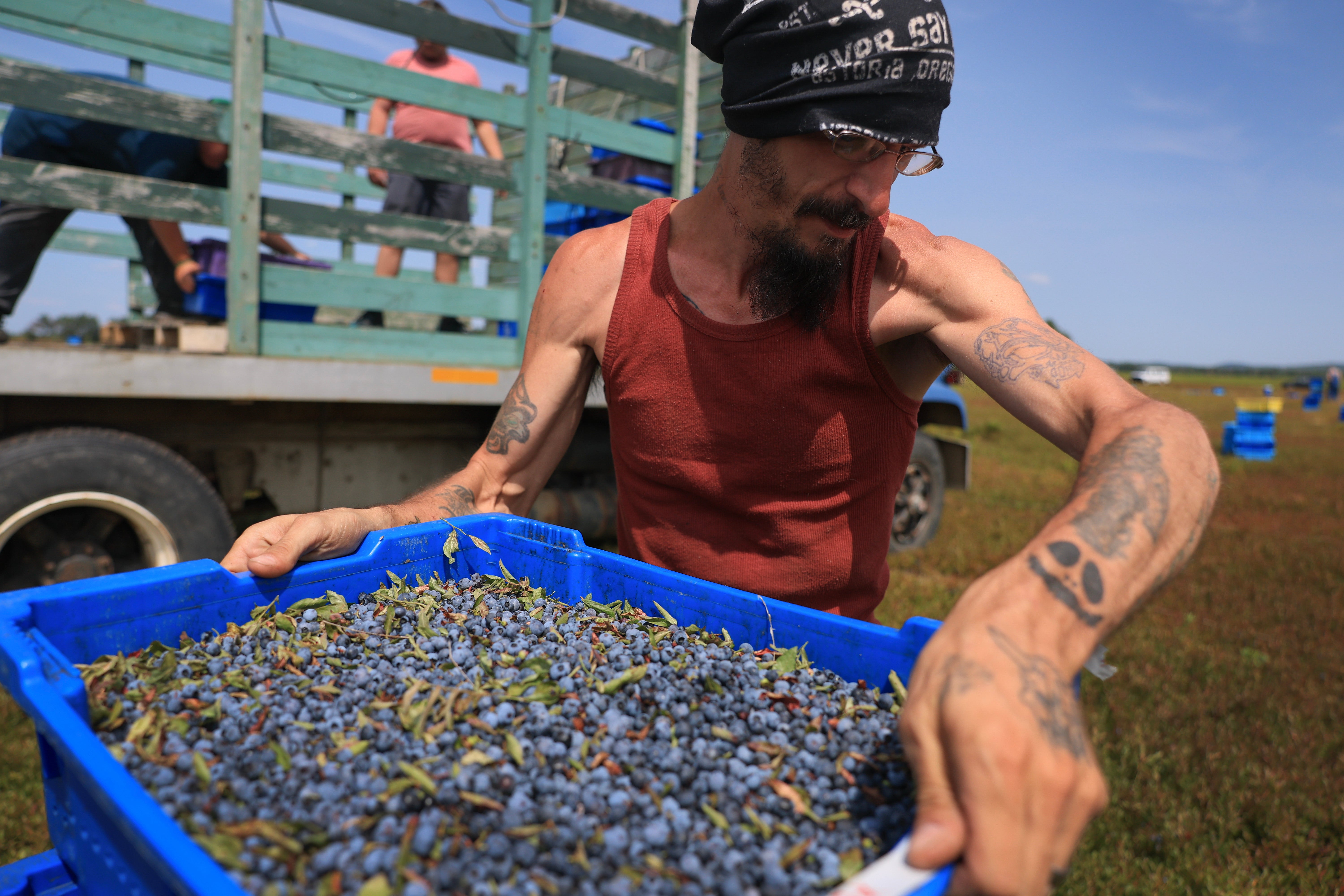
A superfood and antioxidant powerhouse, berries are a sweeter way to protect your immune health.
Strawberries are the best source of vitamin C, and blueberries have antioxidant plant compounds called flavonoids that can help boost the immune system.
The versatile snacks are also one of the lowest sugar fruits that contain the most nutrients, according to Zumpano.
“They’re a great way to keep your immune system in check all year long,” she said.
The berry packed with antioxidants that could shorten your winter cold
The £5 coffee is here – and it’s not going away any time soon
The best Christmas Eve recipes – from Mary Berry to Jamie Oliver and Yasmin Khan
The popular supplement that can help shorten your cold
Christmas gift warning over hidden dangers in three children’s toys