A rare glimpse of a female pine marten with her four young has been captured on Exmoor, marking a significant success in efforts to reintroduce the elusive species to the South West.
The footage, recorded by one of dozens of trail cameras installed across the national park, shows the mother and her kits – known as 'kits' – visiting a baited spot.
Experts note that pine martens are particularly fond of the peanut butter and fish oil combination used.
This discovery follows the release of 19 pine martens last September into secret woodland locations on Exmoor, managed by the National Trust and Exmoor National Park Authority.
The broader rewilding scheme also saw 15 of these cat-sized mammals, related to weasels and otters, introduced to Dartmoor National Park in 2024.
Wildlife experts highlight the animals' vital role in creating thriving, resilient woodlands, a habitat they once dominated in Exmoor before their numbers dwindled due to hunting and the decline of their natural environment over 100 years ago.
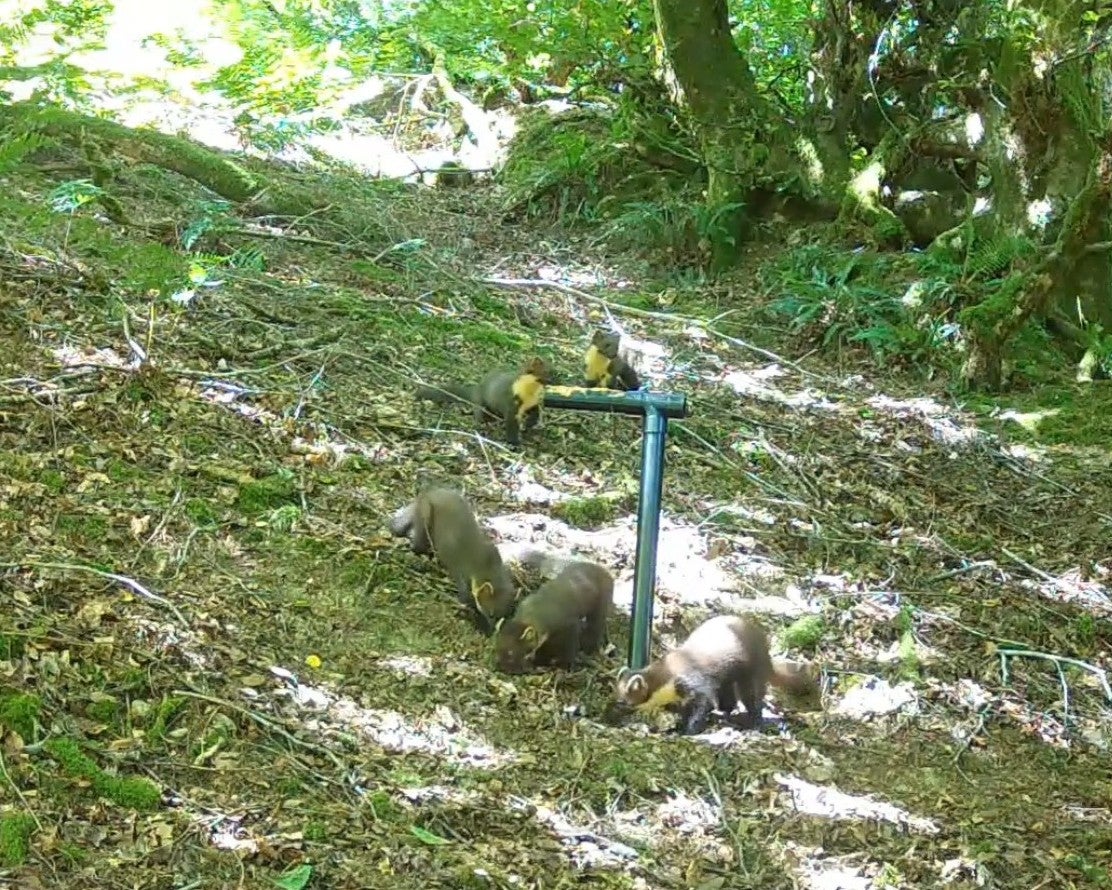
Ali North, Two Moors Pine Marten Project field officer for Exmoor, said: “These clips were recorded on cameras being monitored by one of our brilliant project volunteers.
“We were incredibly excited to finally see kits after so many months of intensive monitoring.
“Mothers give birth in March or April and have on average two to three kits, so to see four with their mum was an amazing sight and suggests that Exmoor is the perfect home for these animals.”
Ali Hawkins, senior ecologist at Exmoor National Park Authority, said: “Seeing pine martens breeding on Exmoor is a hugely encouraging milestone for nature recovery in the National Park.
“It shows what can be achieved through careful partnership working, long-term monitoring and the support of local communities.
“While this is very positive news, the population remains small and vulnerable, so continued public support and reporting of sightings will be vital as we help this native species re-establish itself.”
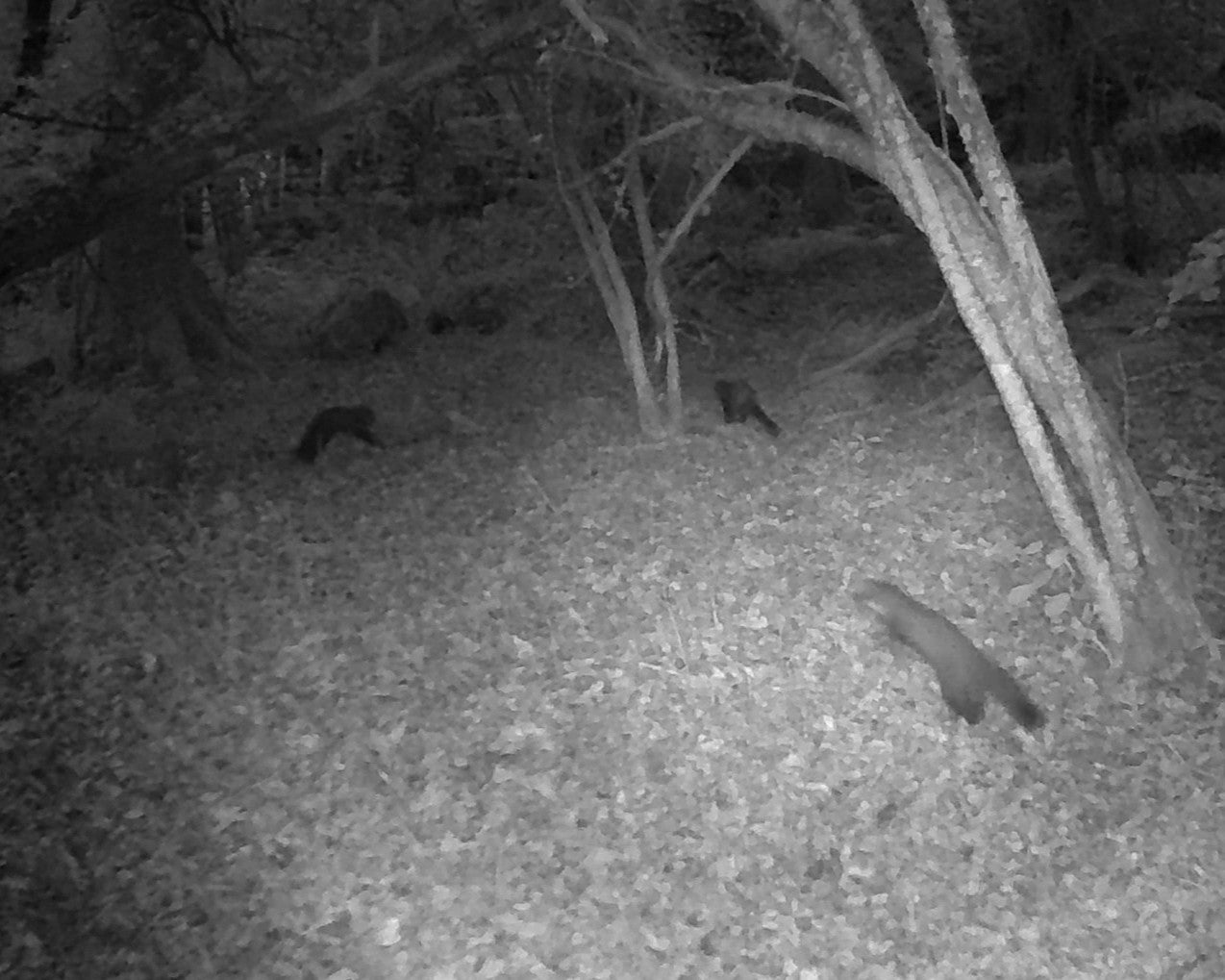
Since being released, the pine martens have been elusive – as they are shy of people, very mobile and difficult to see.
But the camera trap footage means the project now has proof pine martens are successfully breeding in both Exmoor and Dartmoor.
Similar clips were recorded by the project on Dartmoor in 2025, confirming breeding had taken place there, while further film footage captured by local residents from this year suggests they have bred for a second successive year.
But the conservationists warned the pine marten’s comeback to the region is still at an early, fragile stage, with the animals living at low densities, breeding slowly and at risk from issues such as being killed by road traffic or rat poison.
The team behind the project are urging anyone in Devon, Somerset or Cornwall who sees a pine marten to get in touch to help track their progress.