The question of who investigates America's immigration agents when their operations turn deadly may now have a new answer: the agents' own agency.
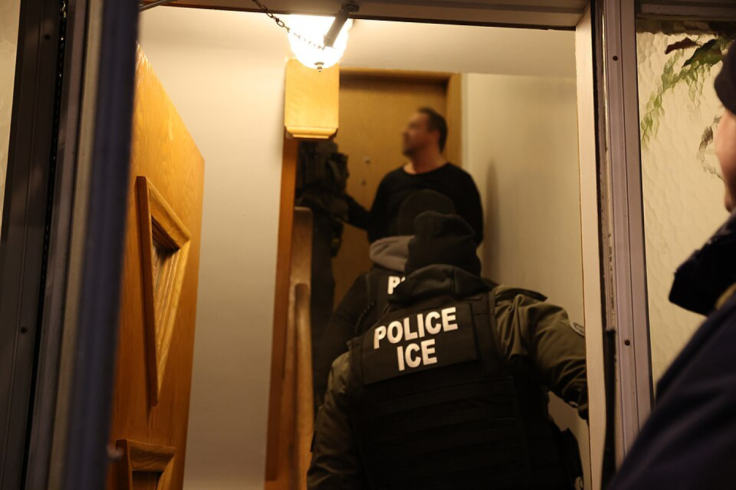
FBI managers across the country were told in a written notice on Thursday that the bureau will no longer investigate physical confrontations involving Immigration and Customs Enforcement officers, The New York Times first reported on Sunday, citing people familiar with the internal communications.
The Justice Department and the Department of Homeland Security flatly denied any change in a joint statement, insisting the FBI 'will continue to investigate in accordance with agency policy.'
A Written Notice The Government Says Does Not Exist
The standoff between the reporting and the official denial is itself the story's sharpest edge. According to the Times, the guidance reached FBI field offices nationwide on Thursday, and some ICE agents learned of it the same day from their FBI counterparts. People briefed on the notice told the paper it had already circulated even as the two departments publicly insisted nothing had changed.
The stakes of the dispute are procedural but profound. When ICE agents have opened fire during enforcement operations, the FBI has been assigned to establish whether the agents were assaulted first, and evidence gathered in those inquiries could later feed civil rights investigations or prosecutions of the agents themselves.
Homeland Security Investigations has no jurisdiction over civil rights violations. If assault claims move in-house, the people familiar with the matter told the Times, shootings of unarmed people by ICE agents would become far less likely to be examined for breaches of federal law, leaving the enforcement agency effectively investigating itself.
Two Deaths In July That Sharpened The Oversight Question
The reported notice landed in a month already defined by fatal ICE encounters. On 13 July, an agent shot dead Johan Sebastián Durán Guerrero, a 25-year-old Colombian father, as he drove away from a surveilled address in Biddeford, Maine; days earlier, Lorenzo Salgado Araujo was killed during a traffic stop in the Houston area. Maine's attorney general has opened a state investigation into the Biddeford shooting, and senators have demanded a federal accounting.
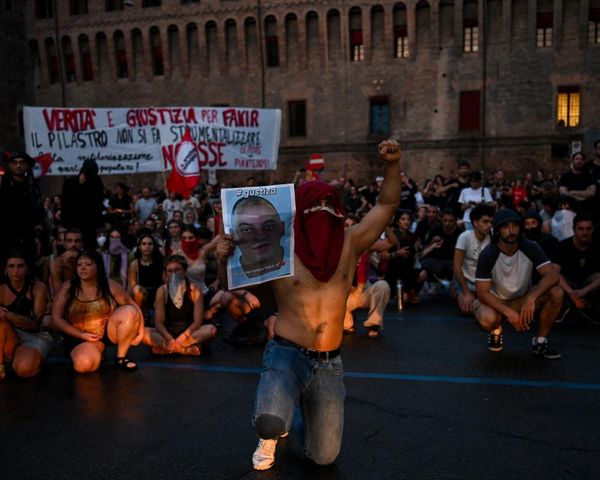
Those deaths followed the January killings that first ignited the accountability fight. ICE agent Jonathan Ross shot Renee Good, a 37-year-old Minneapolis mother of three, on 7 January as video showed her attempting to drive away from a confrontation, and federal agents fatally shot Alex Pretti, also 37 and a US citizen, in the same city weeks later.
The FBI's handling of the Good case foreshadowed the reported retreat. Tracee Mergen, a supervisor in the bureau's Minneapolis field office who attempted a civil rights inquiry into Ross, resigned under pressure from Washington leadership to drop the case. Senators Sheldon Whitehouse and Dick Durbin have written to the Justice Department's inspector general alleging that agents held a signed warrant in the case when the investigation was halted.
The pressure has cost the government experienced lawyers as well as agents. Several senior federal prosecutors in Minnesota resigned over the Justice Department's refusal to investigate Ross, coupled with what they described as a demand to investigate Good's widow instead, according to earlier Times reporting.
The bureau has also been limited from examining potential civil rights abuses in high-profile ICE shootings over the past year, law enforcement officials say, meaning Thursday's reported notice would formalise a retreat already under way in practice.
What Self-Investigation Would Mean In Practice
Legal specialists see the jurisdictional detail as decisive. Federal civil rights law, the principal statute for prosecuting officers who use unlawful force, is enforced through Justice Department investigations that historically begin with the FBI.
No equivalent pathway runs through Homeland Security Investigations, meaning a transfer of these cases would not merely reshuffle paperwork but remove the established route by which an immigration agent's shooting reaches a civil rights prosecutor.
The change, if real, would also invert a longstanding principle of American policing that agencies do not investigate their own fatal incidents. State forces routinely refer officer shootings to outside bodies precisely to preserve public confidence, a norm the reported guidance would abandon for the federal government's fastest-growing armed force in the middle of the largest deportation campaign in US history.
For now, the paper trail is the battleground. The Times reports a written notice; the government says none exists that changes anything; and the next ICE shooting will test which account the record supports, in real time and in public.
Somewhere in the FBI's inboxes sits a Thursday memo that either rewrote federal accountability or was never sent at all, and only one of those things can be true.