Vegetable prices have grabbed attention lately, and the farm-level cost of vegetables jumped 70.2% year over year, according to the USDA Economic Research Service Food Price Outlook. That eye-catching number has many gardeners wondering if the backyard plot deserves a bigger role this season.
Growing your own vegetables will not replace every grocery trip, but it can put fresh food, flavor, and a little budget relief right outside the kitchen door. The trick comes from choosing crops wisely instead of turning the yard into a chaotic jungle of zucchini and tomato vines.
Rising Vegetable Costs Make Home Gardens More Appealing
Food prices can make anyone stare a little longer at the grocery receipt, especially when fresh produce takes a bigger bite out of the weekly budget. The USDA’s Food Price Outlook tracks food costs across the country, and the recent jump in farm-level vegetable prices highlights how much pressure growers and shoppers can feel. Home gardens offer a practical way to create a personal supply of favorite vegetables without relying entirely on store shelves. A few well-planned plants can provide salads, herbs, and cooking ingredients throughout the growing season.
A backyard garden also brings benefits beyond saving money at checkout. Freshly picked lettuce, peppers, beans, and tomatoes often deliver better texture and flavor because they travel only a few steps from soil to plate. Gardening also gives families a closer connection to where food comes from, which can turn a simple meal into a fun seasonal project. The biggest savings usually come from crops that produce heavily, cost more at the store, or taste noticeably better when harvested fresh.
Smart Garden Choices Matter More Than Planting Everything
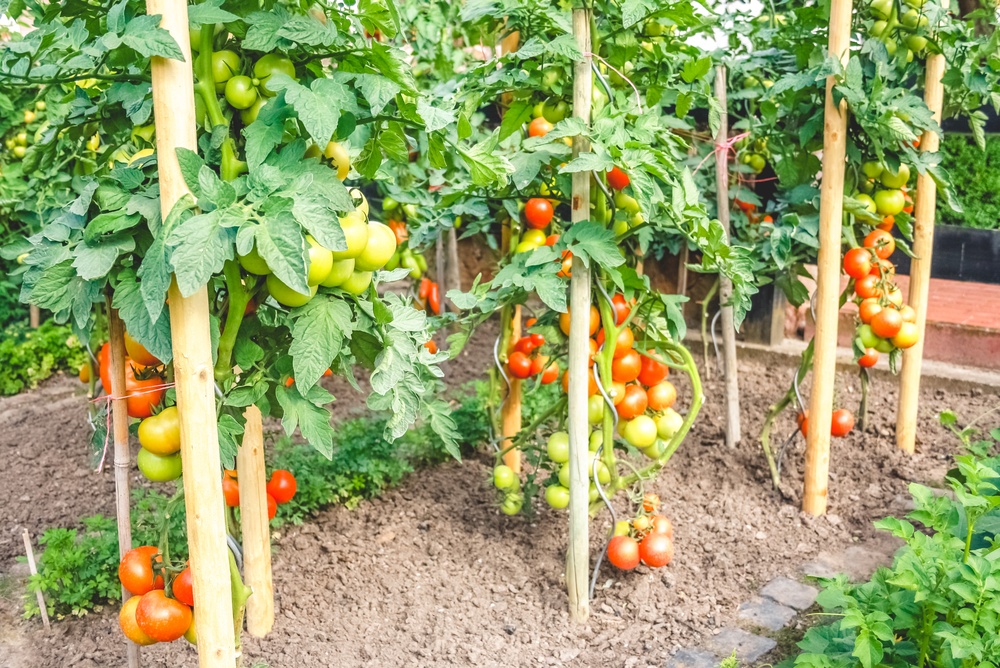
A common gardening mistake involves planting a little bit of everything without considering space, time, or household habits. A successful food garden starts with vegetables that people actually enjoy eating and can regularly use in meals. Tomatoes, peppers, salad greens, herbs, and climbing beans often give gardeners a satisfying return because they produce repeatedly during the season. A packet of seeds can become a surprisingly generous harvest when gardeners match plants with the right growing conditions.
Gardeners also need to remember that homegrown food does not come with zero costs. Seeds, soil improvements, containers, tools, and water all add up, especially for a brand-new garden setup. However, experienced gardeners often lower expenses by saving seeds, composting kitchen scraps, and choosing dependable varieties year after year. The goal is not to recreate a commercial farm but to grow the foods that provide the most value for each patch of sunlight.
A Small Vegetable Patch Can Make a Big Difference
Many people picture home gardening as a huge backyard operation filled with rows of crops, but a productive garden can fit into a small corner. Containers on patios, raised beds, and even sunny balconies can support vegetables when gardeners choose compact varieties. A few pots of herbs or a container of cherry tomatoes can add fresh ingredients without requiring a major commitment. Small gardens also make it easier to manage watering, pests, and harvesting before plants become overwhelming.
Timing plays a major role in getting the most from a vegetable garden. Cool-season crops like lettuce, spinach, and peas can start early, while heat-loving plants such as tomatoes and peppers need warmer conditions. Gardeners who plan around their local climate can stretch the harvest instead of collecting everything at once. A little planning turns gardening from a guessing game into a steady supply of fresh produce.
Growing Food at Home Requires Realistic Expectations
Home gardening can soften the impact of rising food costs, but it does not magically erase a grocery bill. Weather, insects, plant diseases, and gardening mistakes can affect harvests from one season to the next. Even skilled gardeners deal with hungry squirrels, surprise heat waves, and the occasional tomato plant that simply refuses to cooperate. Those challenges make flexibility one of the most valuable gardening tools.
The smartest approach combines gardening with thoughtful shopping rather than replacing the grocery store completely. Growing expensive or high-use vegetables at home can stretch food dollars while adding enjoyment to everyday meals. A garden filled with carefully chosen crops can provide fresh produce, valuable skills, and a rewarding outdoor hobby. Rising vegetable prices may encourage more people to plant, but the lasting reward comes from creating a healthier relationship with food.
The Backyard Garden Question Comes Down to Value
The 70.2% year-over-year increase in farm-level vegetable prices gives gardeners a strong reason to rethink how they grow food at home. A garden does not need acres of land or professional equipment to make a difference. The best results come from planting useful crops, learning local growing conditions, and adjusting each season. Homegrown vegetables can offer savings, freshness, and a satisfying connection between the garden and the dinner table.
Growing more food at home makes the most sense when gardeners focus on what they already buy and enjoy eating. A handful of productive plants can deliver more value than dozens of neglected ones scattered around the yard. The rising cost of vegetables may spark the idea, but smart planning keeps the garden rewarding long after prices change. The next harvest could start with something as simple as a seed packet and a sunny spot.
What vegetables are you planning to grow more of this year because of rising food prices? Share your garden plans, successes, or lessons learned in the comments.
You May Also Like…
Transform Your Side Yard into a Food Forest: Edible Perennials That Require Little Maintenance
Stop Paying Grocery Store Prices: The 1 Backyard Move That Cuts Your Food Costs
7 Vegetables That Give You the Biggest Harvest for the Money
The Vegetable Gardening Trick That Works Surprisingly Well During Droughts
The post Farm-Level Vegetable Prices Are Up 70.2% Year Over Year—Should You Grow More at Home? appeared first on Frugal Gardening.