A vulnerable woman arrives at court for the first time after having been abused by her partner.
With the support of lawyers, he's pushing to get full custody of their children, while she is self-represented.
She pushes her way through the city skyscraper, jostling with people in suits and robes.
From security guards rifling through her bag, to the prospect of having to bow to a judge and publicly tell her story, the entire scene is overwhelming.
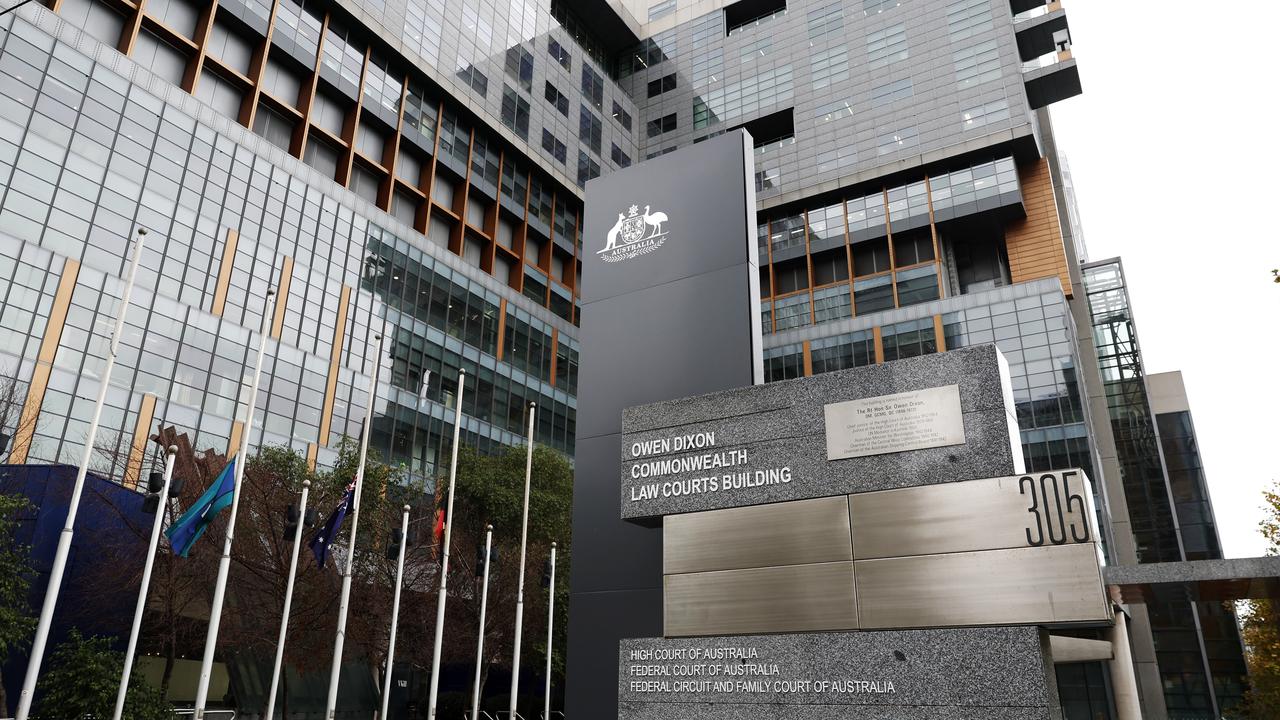
And when she finally finds the right door to enter, she will almost certainly come face-to-face with the perpetrator of her misery.
The overwhelm may prevent the woman's understanding of what lawyers, judges or magistrates decide in her case.
It's a situation victim-survivors of family violence face every day at Family Courts across Australia.
For four decades Court Network volunteers have helped women find their way as they navigate a complicated justice system.
But from November, these vital volunteers will have vanished from sight because the federal government decided not to commit $300,000 needed to continue the program.
Attorney-General Michelle Rowland says "time limited" funding has been provided to the program since 2022 while support is provided for other programs for separated families.
Even so, the volunteers disappeared from family courts in Brisbane and Sydney at the end of June and only remain at Melbourne and Dandenong courts for a few more months.
Court Networkers connect vulnerable court users with family violence and mental health support.
They also sit with and take notes for them about the often bewildering happenings of the court room.
They even accompany them to the toilets when a traumatic situation can make them physically sick.
A volunteer for 11 years, Nicky describes a particularly difficult recent day, supporting two women who lost custody of their children.
One was told by a judge she would be restricted to identity-only contact, meaning no visits or communication.
"She left the courtroom and was in the bathroom vomiting, so we're in there with her," Nicky tells AAP inside the Court Network office at Melbourne's Family Court.
The morning before being interviewed, she was also approached by a distressed-looking woman with no legal representation trying to obtain orders for her son to be returned to her.
Just separated form her ex-partner, the woman said he was trying to keep their child from her.
"The sort of coercive control that's been going on in their relationship was really amping up," Nicky says.
She helped the woman speak to a duty lawyer for advice, as she couldn't afford a lawyer.
Nicky then sat with her in court because she was highly anxious about having to stand and explain her situation to the judge.
"I said to her: 'This is going to be okay, we have unrepresented litigants every day of the week. Everybody knows about them, everybody's sympathetic towards them and no one expects you to be a lawyer.'"
View this post on Instagram
"I was basically saying, 'You can just talk to the judge in the way that you talk to me because there's nothing to worry about, she's not going to trick you up if you don't understand.'
"She got up on her feet, she was great and she got a recovery order that says her child has to be returned to her by 4pm today."
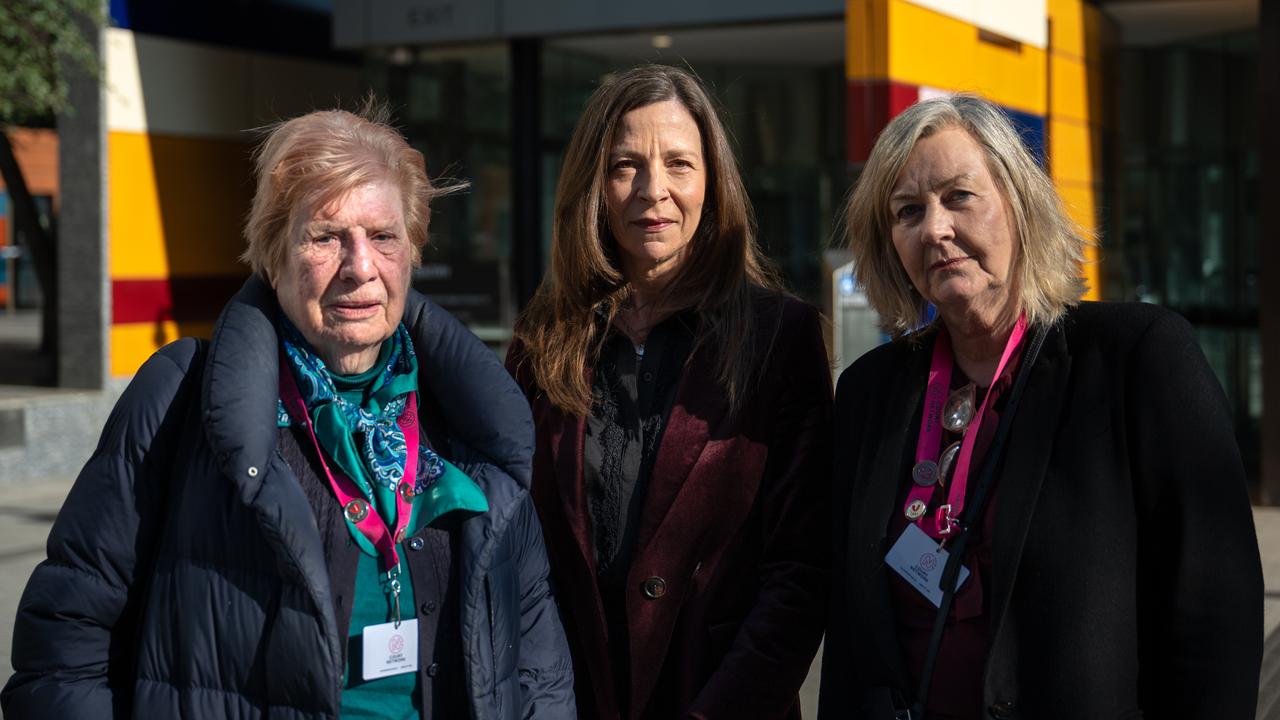
Prue, 91, has been a Court Network volunteer for 25 years and was awarded an Order of Australia medal for her contribution.
"We have people whose husbands have threatened to kill them, there's vomit, they lose the plot, they go out screaming because they're not getting what they want," she tells AAP.
"They're very vulnerable and it's a question of understanding them but really it's about loving them."
A domestic violence survivor, who spoke on the condition of anonymity as she is fearful of her ex-partner, said Court Networkers ensure "you're not on an island on your own".
"I turned up never having been to court before, 15 years ago, and didn't know what was up or down," she says.
"I was so frightened.

"It wasn't until someone sat down next to me, a Court Networker, who just made such an incredible difference, and told me her story and was so calming.
"It reduces fear, confusion and isolation. It improves the justice system by helping people engage. It stops stalling the system."
Cutting these vital volunteers is an access-to-justice issue, Court Network executive director Kate Cahill says.
"It is predominantly women who are going to be disadvantaged by not having Networkers present.
"Being able to confidently and actively participate in your proceeding is really important; that's an access-to-justice issue and if we're not there, who is going to be supporting these people?"
About 56 per cent of those they support in court have experienced family violence and 60 per cent have no legal representation.
The volunteers don't just support victim-survivors, they refer perpetrators of abuse to men's behavioural change programs and provide emotional support to them in court.
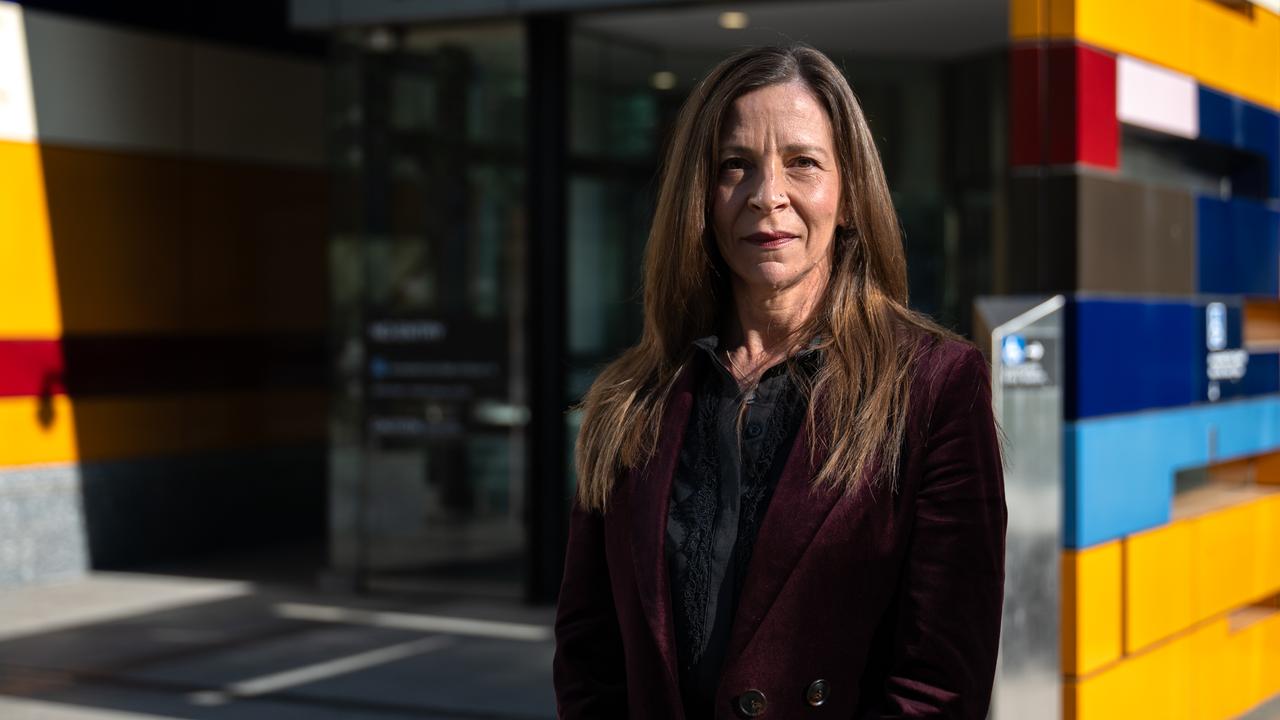
"That means he is not going to be emotionally revved up in court, which will mean he will be listening to what's being said and he's more likely to take that information on board," Ms Cahill says.
"So that is a benefit to both sides."
Lawyers, magistrates, judges, court staff, family violence and mental health workers also depend on the volunteers' support, she continues.
"It means the whole temperature of the courtroom goes down because people are more regulated, people are able to pay attention."
Ms Cahill is hopeful philanthropic funding will come through before November to keep the program alive and is lobbying politicians including Lidia Thorpe.
The independent senator Senator Thorpe raised the issue in parliament at the end of June, asking whether $300,000 is "really too much for the Labor government".
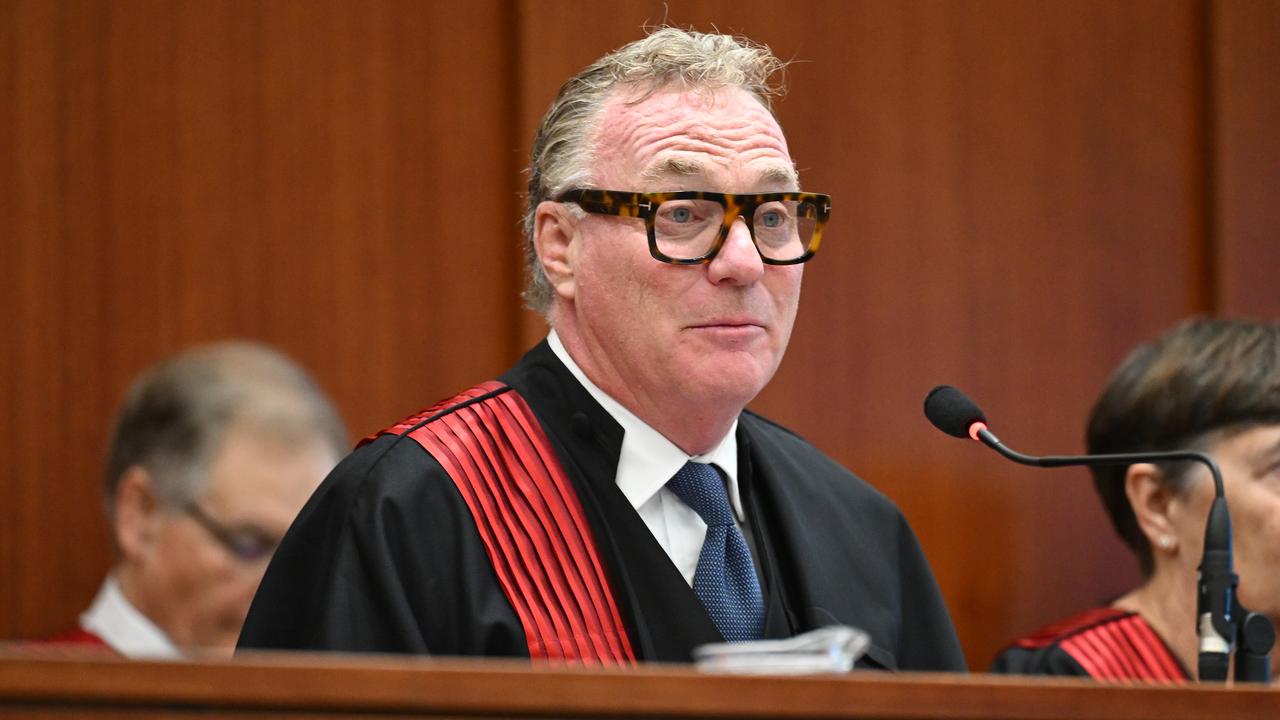
The loss of Court Network will have "far-reaching effects", according to Family Court Chief Justice Will Alstergren.
"Family violence is a national crisis," he says.
"Ensuring Court Network is available to keep family law parties supported, informed and connected to the right services must remain a top priority."
1800 RESPECT (1800 737 732)
Lifeline 13 11 14
Men's Referral Service 1300 766 491