
Most of us slip into hibernation for the winter months, but by the time spring and summer come around, it feels like we have to do an intense overhaul to feel our best.
But by putting in the time and consistency throughout the colder months, “face yoga” can help give us a healthy summer glow by improving circulation and muscle tone.
While it won’t necessarily give you the same effect a cosmetic procedure will, facial exercises can help reduce puffiness and dull skin.

According to regenerative aesthetics doctor Dr Hansel Misquitta, “facial exercises sit in a genuine scientific grey zone. [They] can offer small, incremental benefits when done properly […] but they’re also not the miracle [some] would like you to believe.”
There is some early evidence that targeted muscle training can increase muscle thickness and therefore improve facial structure – but face workouts aren’t a substitute for a facelift. They’re like Pilates for the face: good for tone, posture and habit – but not magic.
So what can you genuinely expect if you start now and keep going until summer? And which facial exercises are the best to do?
What face workouts can (and can’t) do
“By summer, if someone starts now and is consistent, the realistic outcome is improved muscle tone, slightly better facial posture and a fresher look at rest,” explains Misquitta.
But she is clear on the limits: “[you can’t expect] wrinkle removal, skin tightening [or] lifting sagging tissue.
“Facial exercises do not rebuild collagen, replace fat loss or reverse gravity. You can’t out-exercise biology. At best, you’re toning the scaffolding, not rebuilding the building.”
The benefits largely come from circulation, lymphatic drainage and subtle muscle tone.
This is also why skincare still matters as much as facial gymnastics – because good skin makes any improvement look better. As she puts it, “skin quality decides whether muscle tone looks good or just looks tense.”
Misquitta recommends a strong daily SPF to future-proof skin alongside a nourishing, barrier-supporting moisturiser that helps the skin respond better to any routine change.
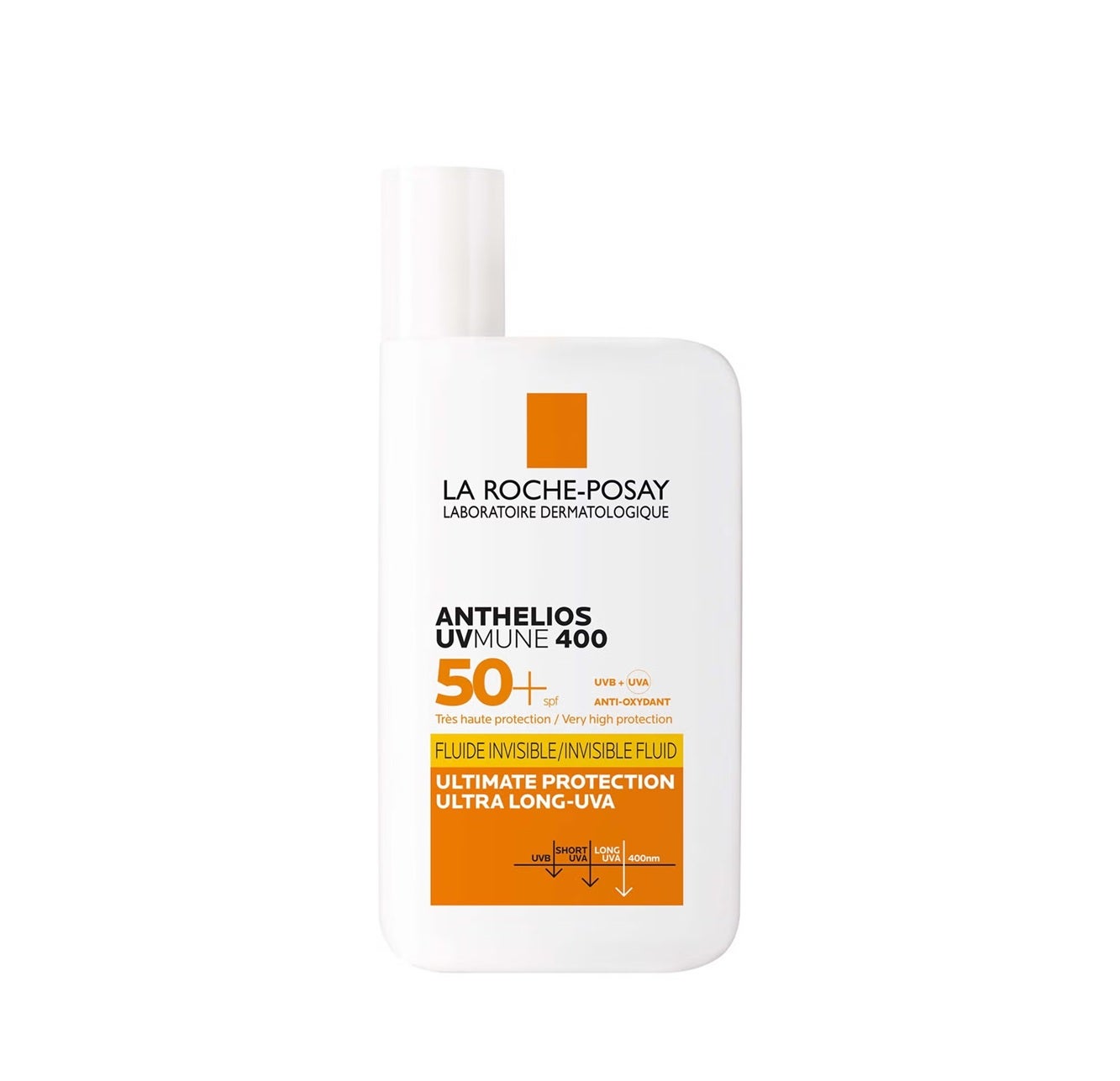
La Roche-Posay Anthelios UVMune 400 Invisible Fluid Non-Perfumed Suncream SPF50+, £18.95 (was £20), Look Fantastic
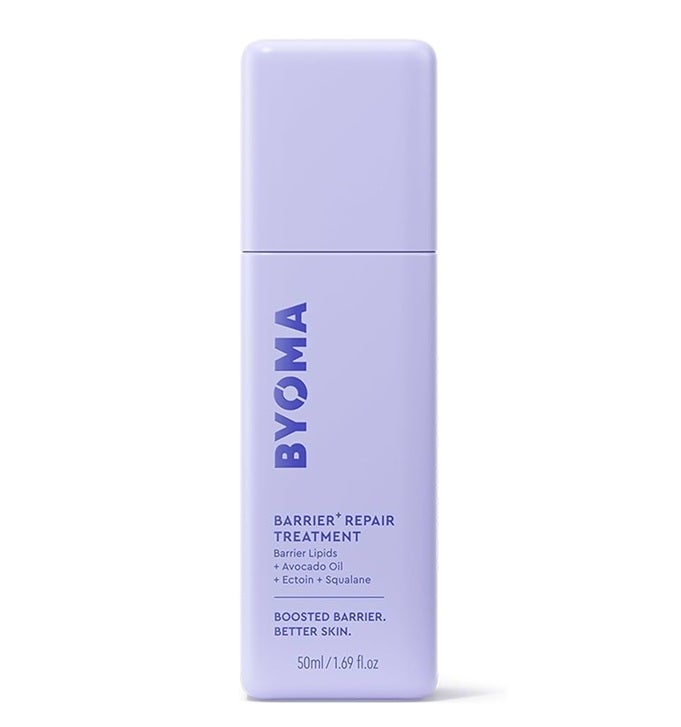
BYOMA Barrier+ Repair Treatment, £17, SpaceNK
Where you’ll see results first
Areas with thicker, functional muscles respond best.
“Cheeks, lower face and jawline tend to show the most visible response,” says Misquitta. These muscles are the only ones that can hypertrophy (grow and strengthen) in the face, though far more slowly and modestly than body muscles.
But some areas won’t budge. Under-eye hollows, temple loss, forehead lines and deep folds are driven by bone and fat changes rather than weak muscles.
“Trying to fix under-eye hollows with facial yoga is like trying to fix a flat tyre by massaging it,” she says.
The best exercises and how often to do them
If you’re imagining theatrical grimacing in the mirror, you’re in luck. “The best exercises are boring, controlled and unsexy,” Misquitta says. “These are not about pulling faces or scrunching skin. If you’re doing that, you’re training wrinkles, not muscles.”
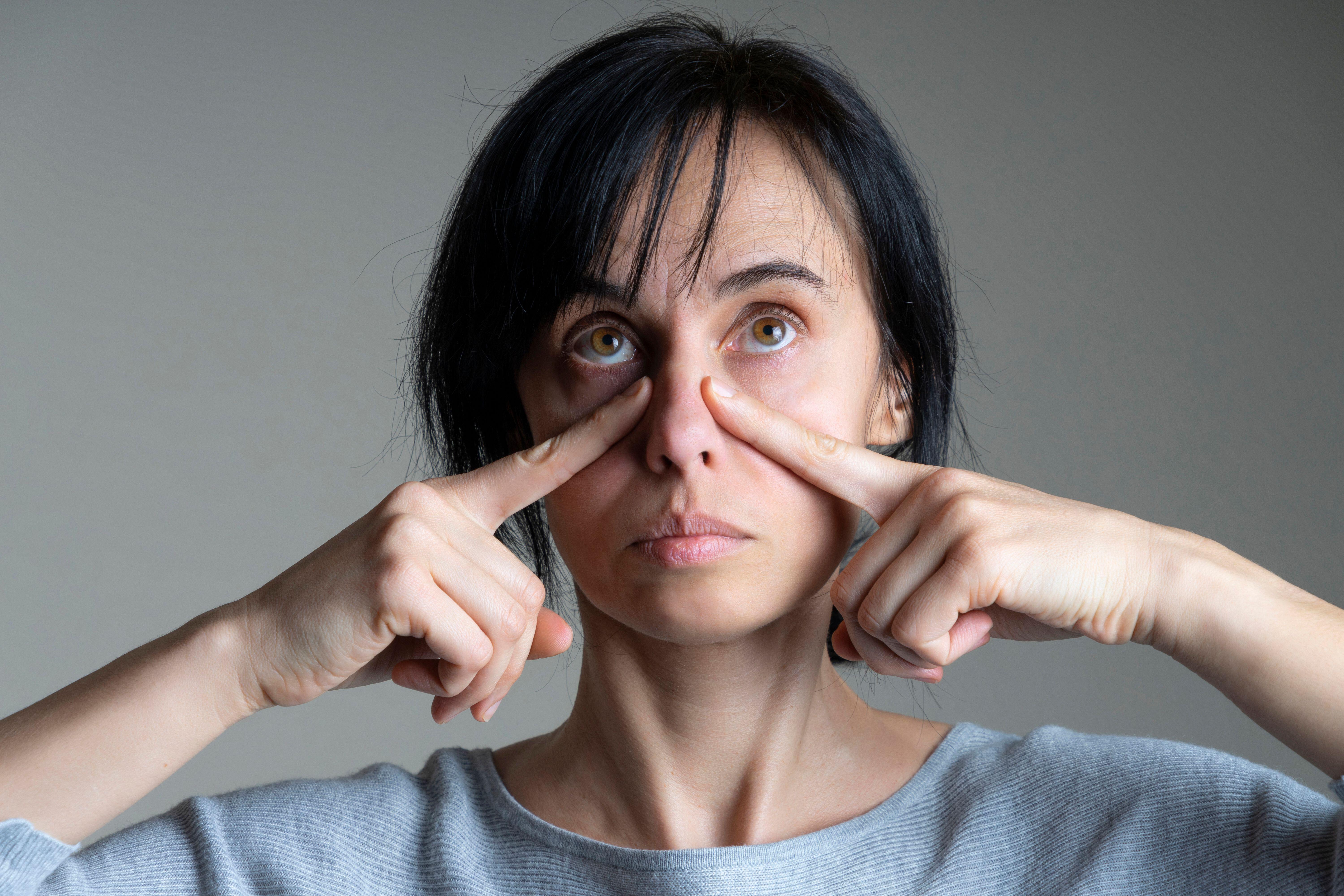
She says a good starting point is a gentle cheek-resistance exercise. Begin with a soft, relaxed smile and place your fingertips lightly on the fleshy part of your cheeks. As you lift the cheeks into that soft smile, use your fingers to create a slight resistance. You should feel the muscles working under the skin – but you shouldn’t see deep creasing around the eyes or mouth. If you do, ease off. This targets the muscles that support the mid-face and helps improve tone over time.
Another simple movement is the tongue-to-palate press. Rest your tongue firmly against the roof of your mouth, just behind your front teeth, while gently lengthening through the neck and lifting the chin a fraction. Hold for a few seconds, then relax. Done consistently, this improves lower-face posture and mild muscle tone – without strain or jaw-clenching.
Finally, controlled lip resistance works the muscles around the mouth. Keep the lips together naturally and place two fingers lightly over them. Press the lips gently together while your fingers resist the movement ever so slightly. Avoid puckering or scrunching – the movement should be subtle and smooth. If chin dimpling or deep lines appear, you’re using too much force.
Five to ten minutes, four to five times a week, is enough. “More is not better. Overdoing facial exercises is like overdoing crunches. You don’t get a six-pack faster, you just get a sore neck.”
Expect subtle changes from six to eight weeks, with best results around three to four months.
Tools vs tech: which one’s better?
It’s difficult to know what’s marketing and what will actually make a difference when it comes to beauty tech. Is a microcurrent device actually better than a simple gua sha?
Misquitta says some at-home microcurrent devices can, like a basic gua sha, boost lymphatic flow but they can also temporarily stimulate muscle contraction. “They produce a mild lift that lasts hours to days,” she explains. “Think of it like a good push-up bra for the face. Useful, temporary and absolutely not structural change.”
In-clinic devices, however, sit in a different league.
“Technologies such as EMFACE combine radiofrequency with high-intensity electromagnetic stimulation,” she says.
Early data suggests improved muscle tone and some dermal remodelling – but again, it doesn’t promise anything permanent. “[It’s] no replacement to a surgical lift. It is pure muscle stimulation only with early evidence and heavy marketing.”
But Misquitta is keen to emphasises that skincare is the key to whether these tools actually work.
“Daily broad-spectrum sunscreen is non-negotiable,” she explains. “Retinoids improve collagen and skin texture over time and a basic moisturiser that supports the skin barrier [will do] the job.”
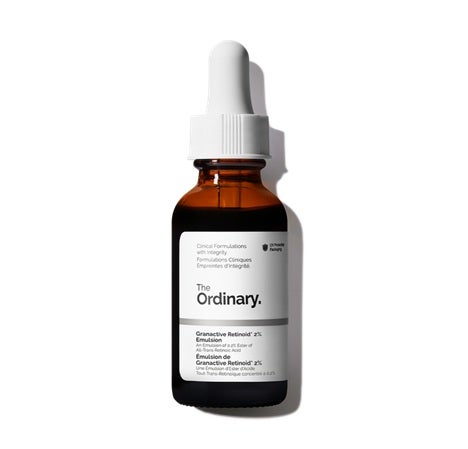
The Ordinary Granactive Retinoid 2% Emulsion, £11
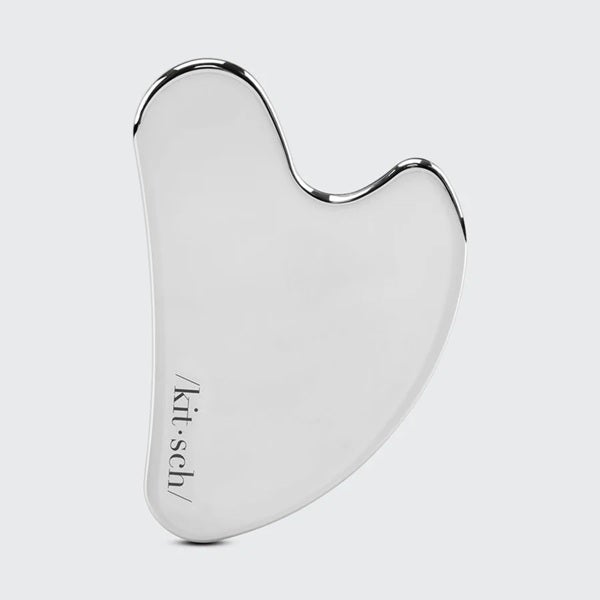
Kitsch Stainless Steel Gua Sha, £11, Oliver Bonas
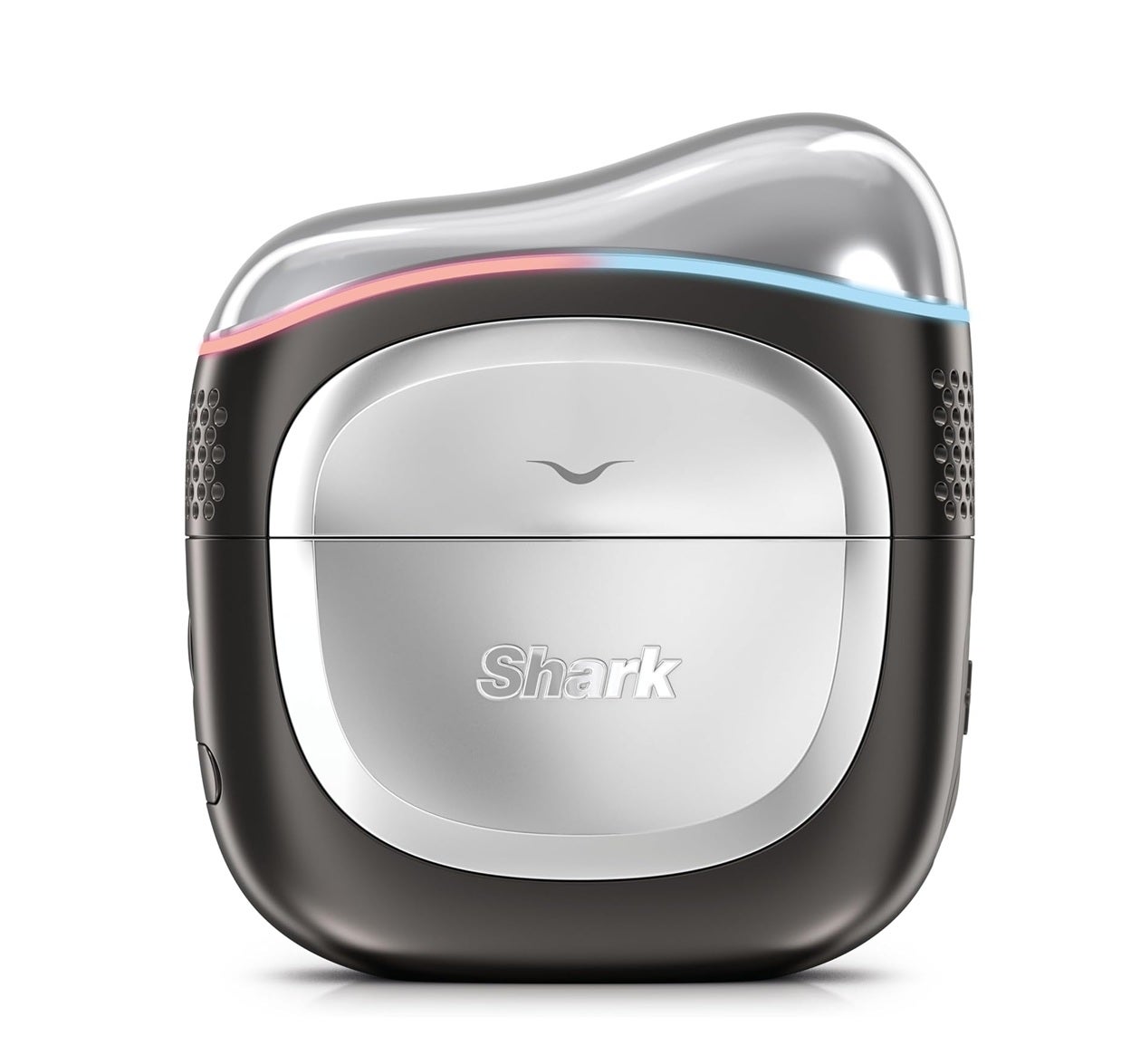
Shark DePuffi Contrast Therapy Sculpting Tool, £159.99 (was £179.99)
When not to do face exercises
But facial yoga isn’t suitable for everyone.
“People with active inflammatory skin conditions, significant jaw joint problems, recent facial surgery or recently placed fillers should avoid facial exercises or get proper medical advice first,” Misquitta explains.
You can also overtrain your face. Warning signs include jaw pain, headaches, tightness, deeper expression lines or constant muscle fatigue.
“Facial ageing is often driven by chronic tension, not weakness,” she says. “If your face feels tighter, more uncomfortable or permanently clenched, that’s not progress. That’s your face asking you to stop.”
5 health checks to have this year
5 skiwear trends to hit the slopes in style
I’m a stylist. Here’s how to give your wardrobe a New Year reset
From Library core to tassels – the five big trends coming for your wardrobe in 2026
The style blogger whose world fell apart, as she faces possible jail for fraud
Styling the balloon pant can be tricky. Here’s how to do it at any age