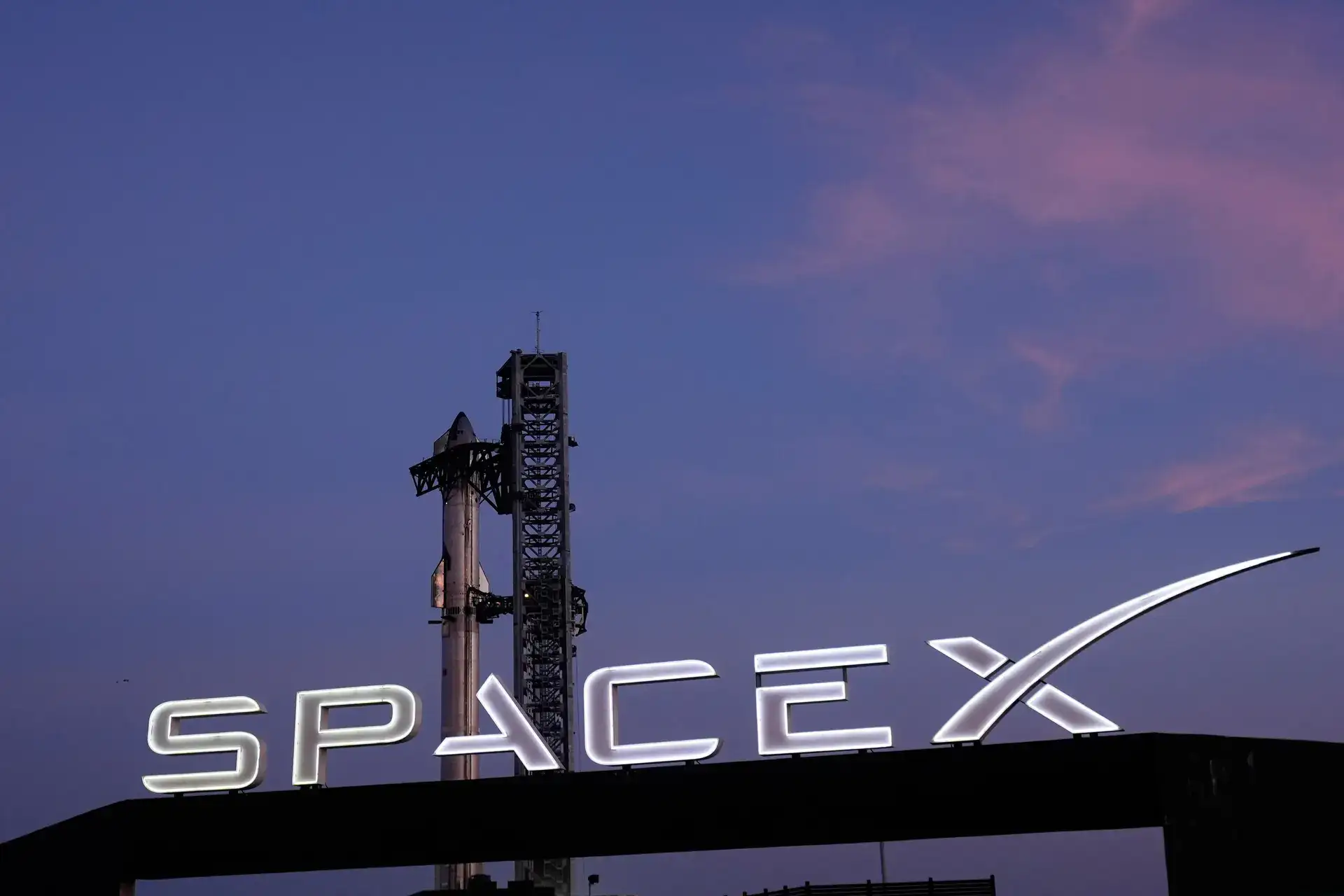
SpaceX raised a record $75 billion in its IPO on Friday after selling about 5% of its outstanding shares, but it could raise even more under a provision designed to keep trading smooth in the first few weeks after a company goes public.
The company's initial public offering includes a so-called greenshoe option, a standard feature of most large U.S. stock market listings that acts like a safety valve that keeps the stock price from going crazy one way or another in its first month of life.
SpaceX gave Morgan Stanley, which is acting as the stabilization agent for the company, the option to purchase an additional 15% of its stock at the IPO price of $135 a share for up to 30 days - or about 83 million in additional shares on top of the 555.6 million SpaceX already sold.
Those additional shares, however, haven't been issued by the company yet, so the bank has to effectively sell them on the open market through a short position and buy them from the company later.
The process begins before trading starts. Underwriters typically allocate and sell up to 15% more shares than are initially being offered. In SpaceX's case, that means investors could ultimately receive as many as 638.9 million shares if the option is exercised in full and an additional $11.2 billion in capital for SpaceX.
Also Read | Should Indian investors buy shares of Elon Musk's biggest bet after missing the IPO?
The mechanism serves two purposes: it gives underwriters a way to support orderly trading and provides issuers with the opportunity to raise up to 15% more capital if demand proves strong.
The direction of the stock determines which path they take.
GREENSHOE HISTORY
The greenshoe option, formally known as an over-allotment option, takes its name from Green Shoe Manufacturing, the first company to use the structure in its 1960 IPO. It remains the primary mechanism investment banks use to help manage volatility in newly listed stocks.
In 2014, Alibaba fully exercised the greenshoe option in its IPO to keep shares from skyrocketing. The Chinese e-commerce giant priced its shares at $68, but overwhelming demand pushed the stock to a 38% gain above the IPO price on their first day.
As a result, underwriters exercised the full 15% greenshoe option, purchasing an additional 48 million shares directly from Alibaba at $68 to cover their short. The move increased total proceeds raised to about $25 billion, making it the largest IPO in history at the time.
Uber's IPO in 2019 didn't go as well. It priced at $45 but quickly fell below that level as investors balked at the company's path to profitability and broader market weakness.
Because the stock was trading below the IPO price, it made little sense for underwriters to buy additional shares from Uber at $45. Instead, underwriters purchased shares in the open market to prop up the stock. That helped moderate selling pressure, though the stock still fell 7% on that first day.