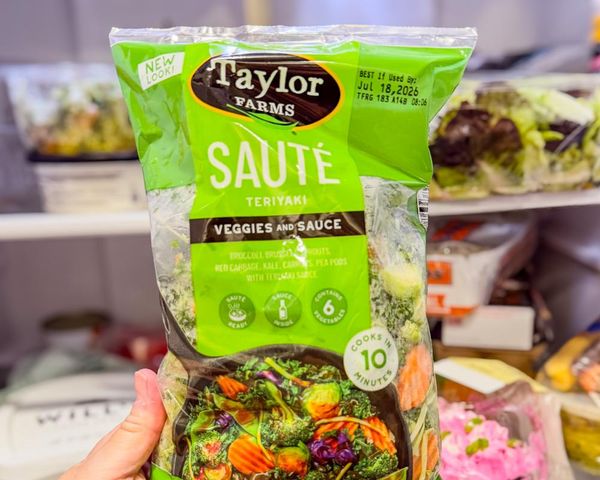

Grocery shoppers frequently throw away perfectly good food because they misunderstand the numbers printed on the packaging. The modern supermarket utilizes a highly confusing system of dates that rarely indicate actual food safety levels. This massive misunderstanding leads to incredible amounts of household waste and ruined monthly grocery budgets. Knowing the difference between quality indicators and strict expiration limits gives you total control over your kitchen. Let me explain what these printed dates actually mean and when your food is still perfectly safe.
The Best By Date
The phrase Best By is the most common label you will encounter on standard dry pantry goods. This specific date has absolutely nothing to do with food safety or bacterial growth in your food. It is simply a manufacturer’s guarantee of when the product will possess its absolute peak culinary flavor. A box of crackers might taste slightly stale a month later, but it will not make you sick. You can safely consume these shelf-stable items long after the printed quality date has officially passed.
The Sell By Date
Store employees rely heavily on the Sell By date to manage inventory rotation on the retail shelves. This code tells the stockers exactly when to pull an item to ensure consumers receive fresh products. It is not a magical deadline indicating that the food will suddenly spoil at midnight. You can safely keep and consume milk or eggs for several days after this specific date passes. Trusting your physical senses to check for spoilage is much more accurate than relying on this label.
The Use By Date
The Use By date is the only label you must treat with a high level of strict caution. This phrase is typically reserved for highly perishable items like fresh deli meats and raw poultry cuts. Manufacturers print this safety warning to prevent consumers from eating foods that rapidly develop dangerous bacterial growth. You should always discard fresh meat and soft cheeses if this specific safety deadline has already expired. Taking risks with highly perishable items is never worth the potential threat of severe foodborne illness.
Using Your Senses
Your physical senses are the ultimate tool for determining if a grocery item is actually safe to eat. A sour smell, strange discoloration, or visible mold are undeniable signs that food belongs in the trash. Milk that has gone bad will clump and smell terrible regardless of the date stamped on the plastic. If a canned good is heavily dented or bulging, you must throw it away immediately without opening it. Trusting your eyes and nose prevents unnecessary food waste and protects your family from getting sick.
Understand The Meaning
Understanding the true meaning behind grocery store date labels empowers you to manage your kitchen highly efficiently. You will stop throwing away perfectly good pantry staples and keep your household budget firmly intact. Educating your family about these terms prevents panicked cleanouts of the refrigerator every single month. Always prioritize proper food storage techniques to extend the natural shelf life of your expensive weekly groceries. Smart kitchen management ensures you maximize your food investments while keeping everyone in your home completely safe.
What To Read Next
Why Seniors Are Being Told to Double-Check Expiration Dates This Month
3 Reasons Some Canned Goods Remain Safe Beyond Expiration Dates
5 Canned Foods That Can Turn Dangerous After Expiration: What to Watch For
10 Dairy Products That Outlast Their Expiration Dates
6 Bagged Salads That Spoil Before Expiration Dates
The post Expiration Dates Explained: When Food Is Still Safe to Eat appeared first on Grocery Coupon Guide.