
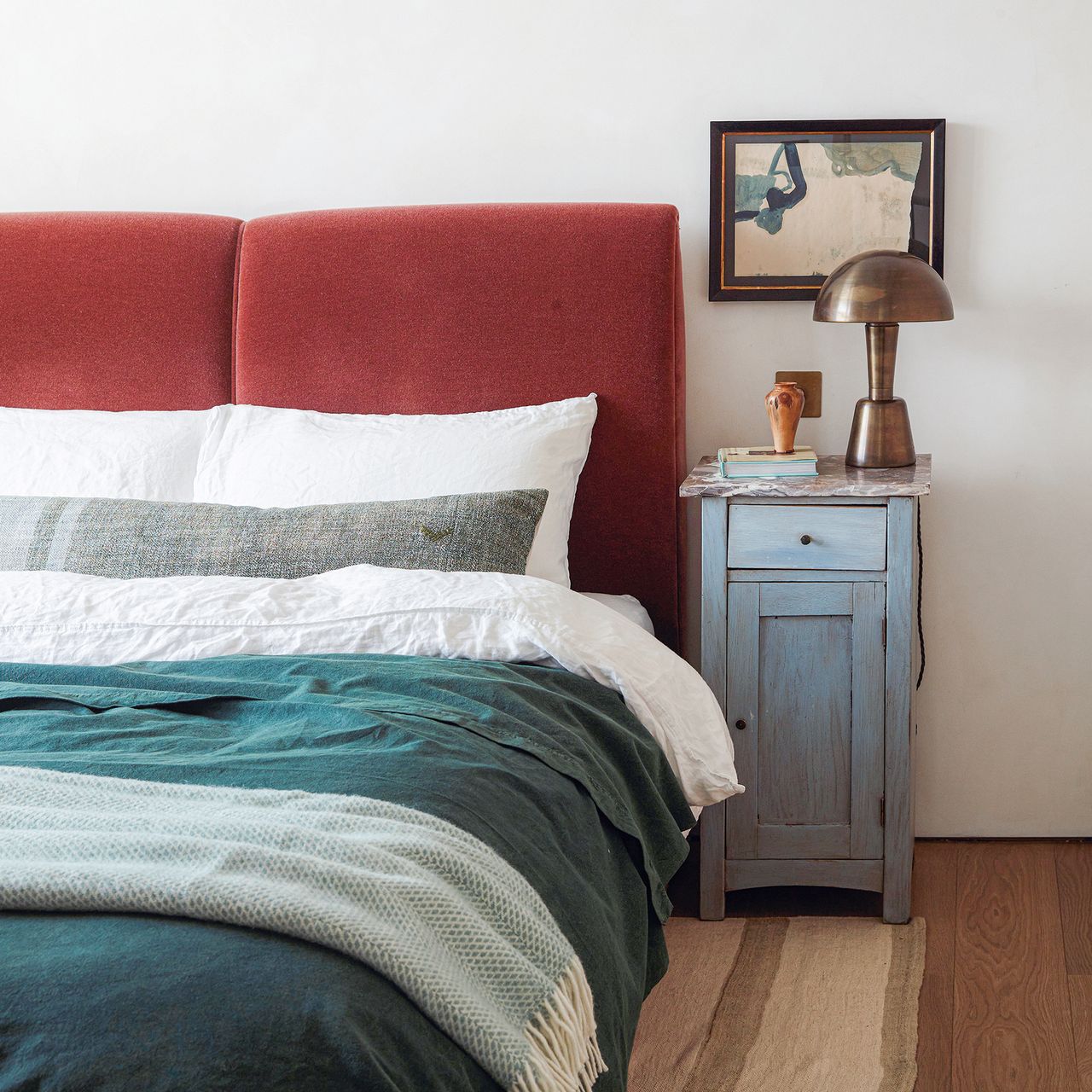
If you share a bed with a partner and one or both of you struggled to sleep last night, then according to sleep experts, there's one particular sleep trend that you'll definitely want on your radar.
The 'German Doppelbett' sleep method is used regularly by our European neighbours, and it's designed specifically for couples who share a sleep space and are looking to solve the problem of how to sleep better alongside their other half.
According to a leading sleep clinician, this nighttime hack allows both partners to 'sleep max'; meaning both individuals get the very best night's sleep possible, without differing sleep temperatures, comfort preferences, or even sleep patterns getting in the way.
This is why the experts say 'Doppelbett' is a trick that we Brits might want to adopt too, especially if our other half's sleep style is causing us restless nights.
What is the 'German Doppelbett' sleep trend?
So what exactly is the 'German Doppelbett' sleep trend, and why is it proving so popular with couples in search of a better night's rest?
'The ‘German Doppelbett’ sleep hack is one of my absolute favourite sleep setups for couples,' says sleep clinician, Natalie Pennicotte-Collier, resident sleep expert at MattressNextDay, 'especially for those who find their sleep is regularly disturbed by their partner.'
'I’ve used this setup when helping professional athletes optimise their sleep, because it allows both partners to ‘sleep max’ and get their best night's sleep.'
'For anyone who hasn’t come across it before, the concept is very simple,' says Natalie. 'Instead of sharing one mattress and one duvet, the bed is made up of two single mattresses placed side by side on the same bed frame, with each person also having their own duvet.'
'Doppelbett translates literally as double bed,' confirms Adam Black, co-founder and bed and mattress expert at retailer Button & Sprung, 'but it is a sleep hack with a twist as it sees two single mattresses placed on the same bed frame.'

'Each mattress also has its own single duvet,' explains Adam, 'therefore providing full separation from a potentially disturbing bed fellow.'
That makes this sleep trend similar to the Scandi sleep method of using individual duvets over a shared mattress, but the German approach goes a step further, using individual mattresses too.
It may feel strange to us Brits who are used to sharing a mattress as well as a bed, but it can be good to think outside the box a little, especially if it means a more restful sleep. And this approach is perfect for couples who are struggling to sleep well next to each other, but don't want to (or don't have the space to) move into separate bedrooms in search of more peaceful shut-eye.
'At first, it can look, and even feel, unusual if you’re used to sharing one mattress and one cover,' says Natalie, 'but most couples who try it quickly realise just how much more freeing and comfortable it feels.'
And that's because the 'German Doppelbett' sleep method solves several problems that couples often encounter when sharing a bed. Perhaps most importantly, comfort.
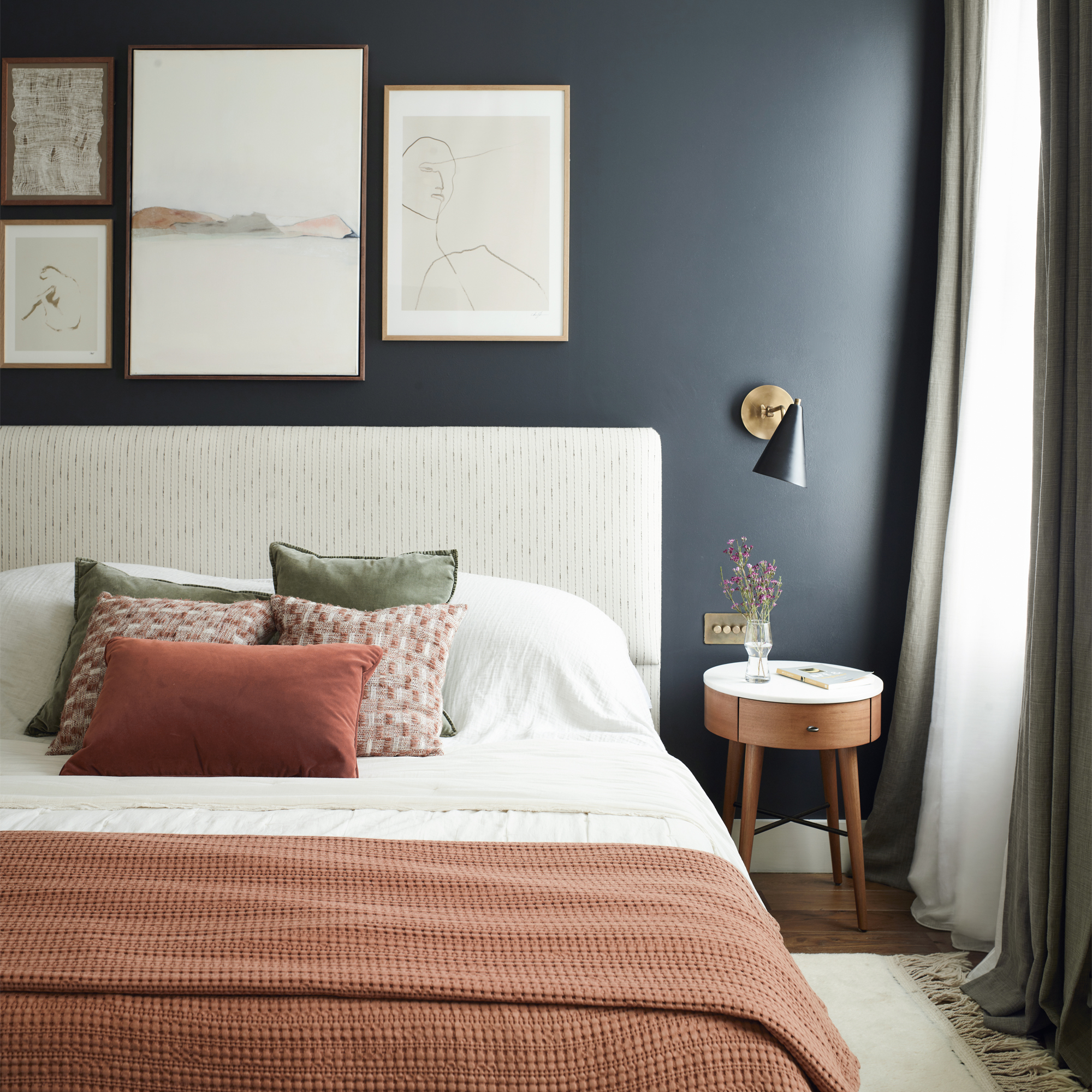
When it comes to finding the best mattress, factors such as our preferred sleeping position (i.e., front, back, or side), our weight, and any pre-existing aches and pains can all affect which mattress is best for us. Sleep is a very individual thing, and both halves of a couple rarely have exactly the same needs.
Very often, the result is that our mattress choice becomes a compromise. It either works better for one partner than the other, or it ends up suiting neither of us that well as we attempt to meet in the middle and satisfy the other's needs.
'Sharing a bed with a partner isn’t always a dream,' explains Chris Tattersall, sleep expert and managing director at mattress and bedding brand Woolroom. 'Differing preferences on mattress tension alone can leave one person sleeping well while the other doesn’t.'
In contrast, the 'German Doppelbett' sleep method solves this by allowing each partner to choose a mattress style and tension that feels the most comfortable for their individual body.
That means you could opt for a super cushioning memory foam mattress that's perfect for side sleeping, whilst your back sleeping partner opts for a firmer pocket-spring affair.
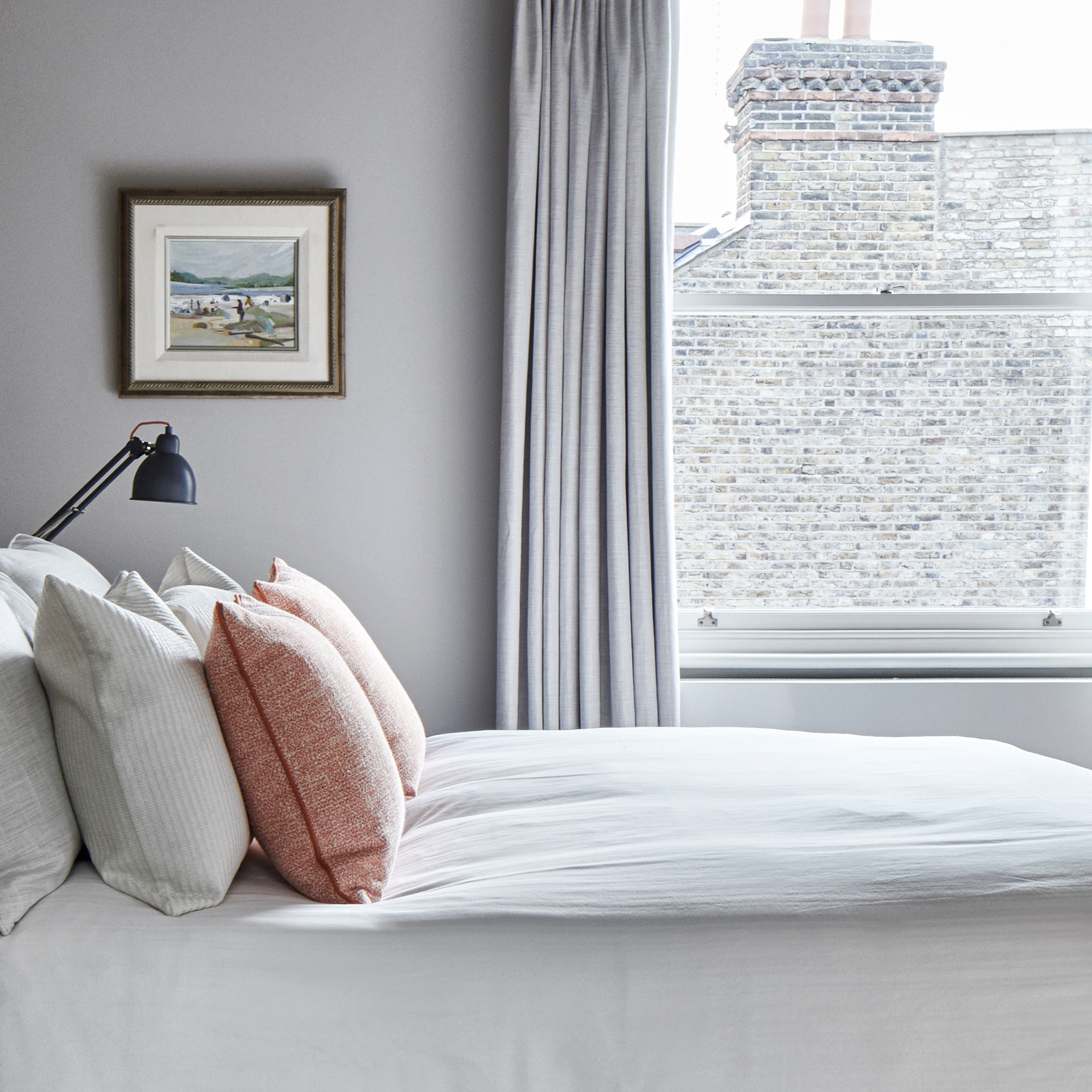
And it isn't just tension preferences that opting for the 'Doppelbett' approach can solve. 'In my sleep clinic, another common sleep issue for couples is temperature,' says Natalie. 'People regulate their body temperature differently while they sleep. One partner might naturally run warm, whilst the other feels the cold.'
'Temperature incompatibility is one of the most common causes of disturbed sleep between partners,' agrees Chris. 'One person finds themselves tossing and turning from overheating, while their partner snoozes away cocooned in their duvet, resulting in a regular battle of kicking off and pulling back the duvet throughout the night.'
Rather than sharing a mattress and duvet, the 'Doppelbett' method means each person has their own.
Not only does that eliminate duvet hogging, but it means one partner can choose a breathable mattress and duvet made from natural materials such as wool, and the other can cosy up under a higher tog feather-and-down duvet and choose a less breathable memory foam mattress without triggering their partner's night sweats.
Hot sleepers are likely to sleep better on a mattress filled with breathable and temperature-regulating natural materials. This option features wool, flax, hemp, and cotton, which are all highly breathable.
Whilst cold sleepers who prefer a cushioned sleep surface are more likely to be able to enjoy a memory foam sleep surface without overheating.
If you and your partner have very different builds, the heavier of the two may need a firmer mattress that offers more support.
Plus, this approach works wonders if you have a fidgety bed partner or different sleep schedules.
'One of the main mattress-related sleep issues is restlessness, which can be passed onto your partner via motion transfer,' explains Chris. 'When one of you shifts in the night, the movement travels through the mattress and can disturb the other person’s sleep.'
'If one person moves, rolls over, or shifts their weight, the other often feels it and wakes up unexpectedly,' agrees Natalie.
The 'German Doppelbett' method is a great solution for this as it minimises motion transfer across the bed, meaning each partner is less likely to experience sleep disturbance, and a deeper, more restful sleep can be achieved.

How to adopt the 'German Doppelbett' sleep method
I'm certainly convinced the German sleep trend has a lot of benefits, but how would we go about adopting it in the UK?
'If you would like to try it yourself, my top tip is to make sure that the bed frame holds the mattresses securely together so you do not end up with an uncomfortable gap in the middle,' says Natalie. 'When it is set up well, you still feel like you are sharing a bed, but with far fewer sleep disturbances.'
I've done the maths, and in practice, that means that you'd need a super king-sized bed frame in order to hold two single mattresses side by side. So whilst this approach can definitely work for some, it may not be a solution for those of us, like me, with a small bedroom to contend with. Perhaps Germany is blessed with bigger bedrooms than we have in the UK.
However, there are ways to adapt this trend to suit less spacious bedrooms. 'If a separate mattress and duvet is a bridge too far, then couples can look at a split tension mattress, which allows them to stay on the same mattress surface but choose a very different firmness rating than their partner,' says Adam.

'If you can't adopt the Doppelbett sleep method, I would still advise couples to buy the biggest mattress they and the room can comfortably afford,' says Adam, 'we all benefit from additional space to stretch out in.'
'If your room allows it, switching to a king-size mattress instead of a double can make a big difference by reducing the small bumps and nudges that wake people at night,' agrees Natalie.
'It can also help to think about how movement travels through the mattress,' says Natalie. 'Mattresses with pocket springs or memory foam tend to absorb movement well, which means one partner turning over is far less noticeable to the other.'
And lastly, 'the most impactful change couples can make to create a better sleeping environment is to invest in sleep products that regulate both sleepers' temperatures,' says Chris.

'Opting for a naturally temperature-regulating bedding fibre like a wool duvet or wool mattress will go a long way to solving temperature-related sleep issues, as with wool’s unique, natural qualities, it is able to keep cold sleepers warm, and hot sleepers cool, all under one duvet and on one mattress.'
So whether you opt to 'German Doppelbett' or not to 'German Doppelbett', there are still ways to reduce bedtime arguments and to sleep more peacefully next to your other half. Good news all round.