
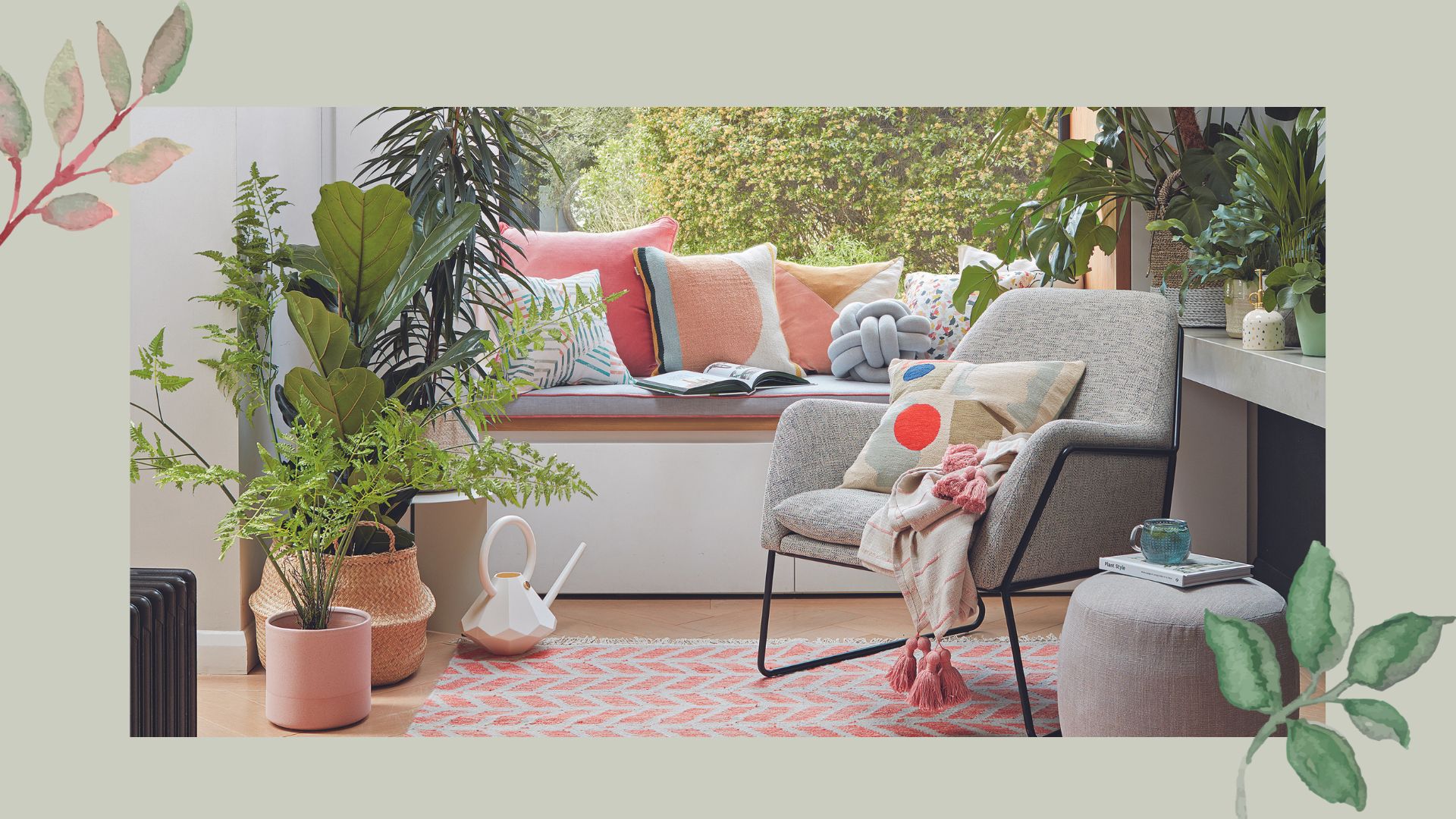
Condensation is a common problem at this time of year as the cold temperatures outside compete with the warmth indoors.
As we strive to keep our houses warm in winter, we keep the windows closed and crank up the heating but as temperatures outside plummet it causes cold exterior surfaces that clash with warmer conditions inside. This ultimately leads to water building up on indoor surfaces known as condensation.
Using one of the best dehumidifiers is an ideal solution for eliminating excess moisture in the air, but one of the most cost-effective and natural ways to prevent condensation on windows and walls is by welcoming nature into your home with plants that help with condensation.
5 houseplants that help with condensation: recommended by experts
Not only can certain plant varieties be used to get rid of spiders and keep flies out of the house they can also be hugely useful for reducing moisture levels in indoor air – working the same way a dehumidifier works, only plants are natural and don't require plugging in at the mains.
These are the 5 plants experts recommend for combating condensation indoors...
1. Snake plants
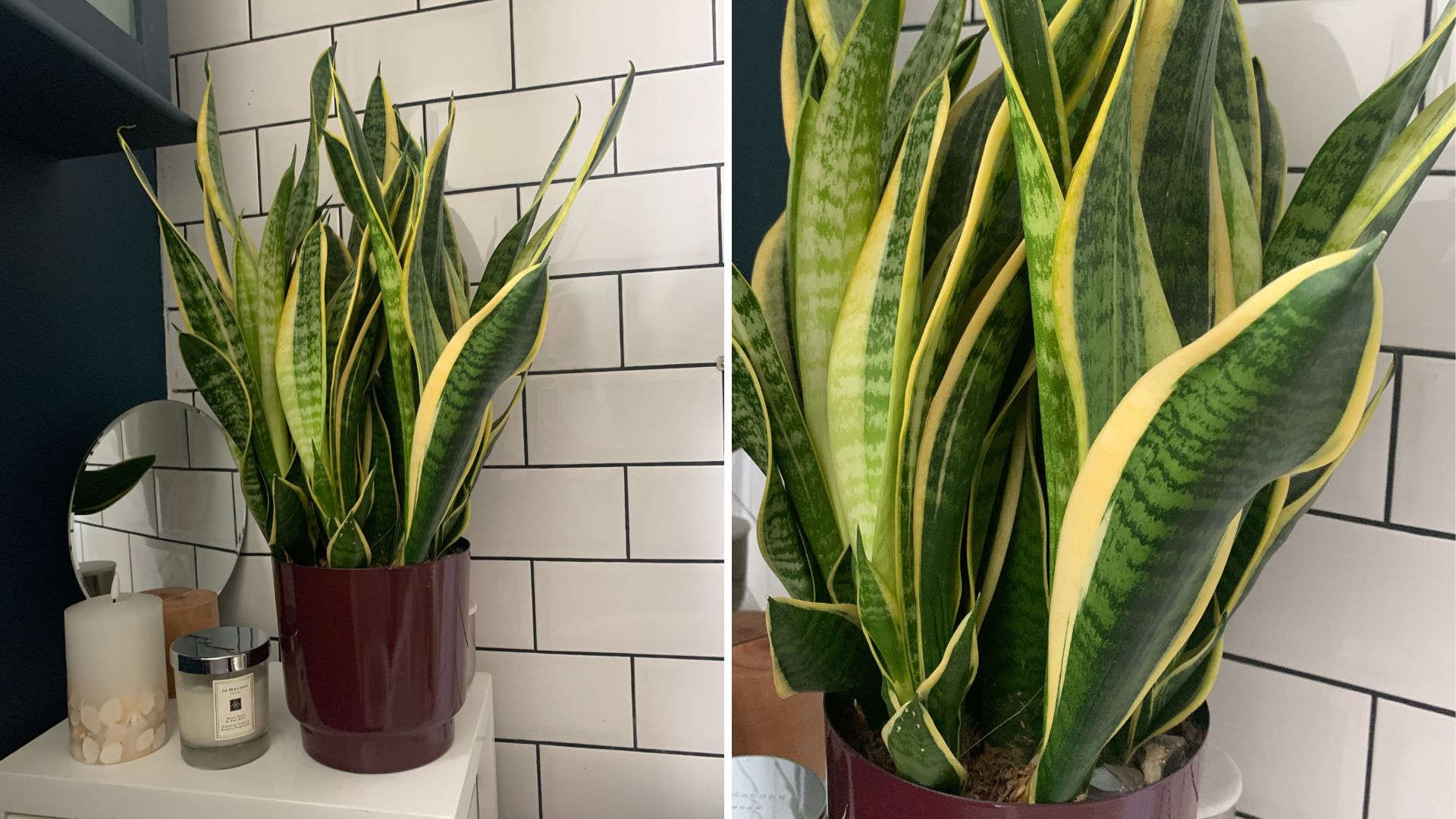
Snake plants are known for their ability to absorb excess moisture from the air through their generous leaves. "Snake plants combat condensation through a process known as transpiration," explains Sheila Crean, a gardening expert at Atkins Garden Shop. "They absorb excess moisture from the air through tiny pores in their leaves, known as stomata, during the day."
"Then, at night, they release the absorbed moisture back into the air in the form of water vapour. This continuous cycle of moisture absorption and release helps to balance humidity levels, reducing the likelihood of condensation on surfaces."
I personally have a snake plant in my bathroom and it thrives in hot and humid conditions, I find it's a great way to aid with reducing moisture levels when you can't safely plug in a mains-operated dehumidifier.
Of course, you can also use the best dehumidifiers for bathrooms which don't require electricity to help.
But this popular houseplant could also be good for better sleep hygiene, as Sheila adds: "Their unique make-up allows them to release oxygen even at night, making them ideal for bedrooms."
2. The Peace Lily
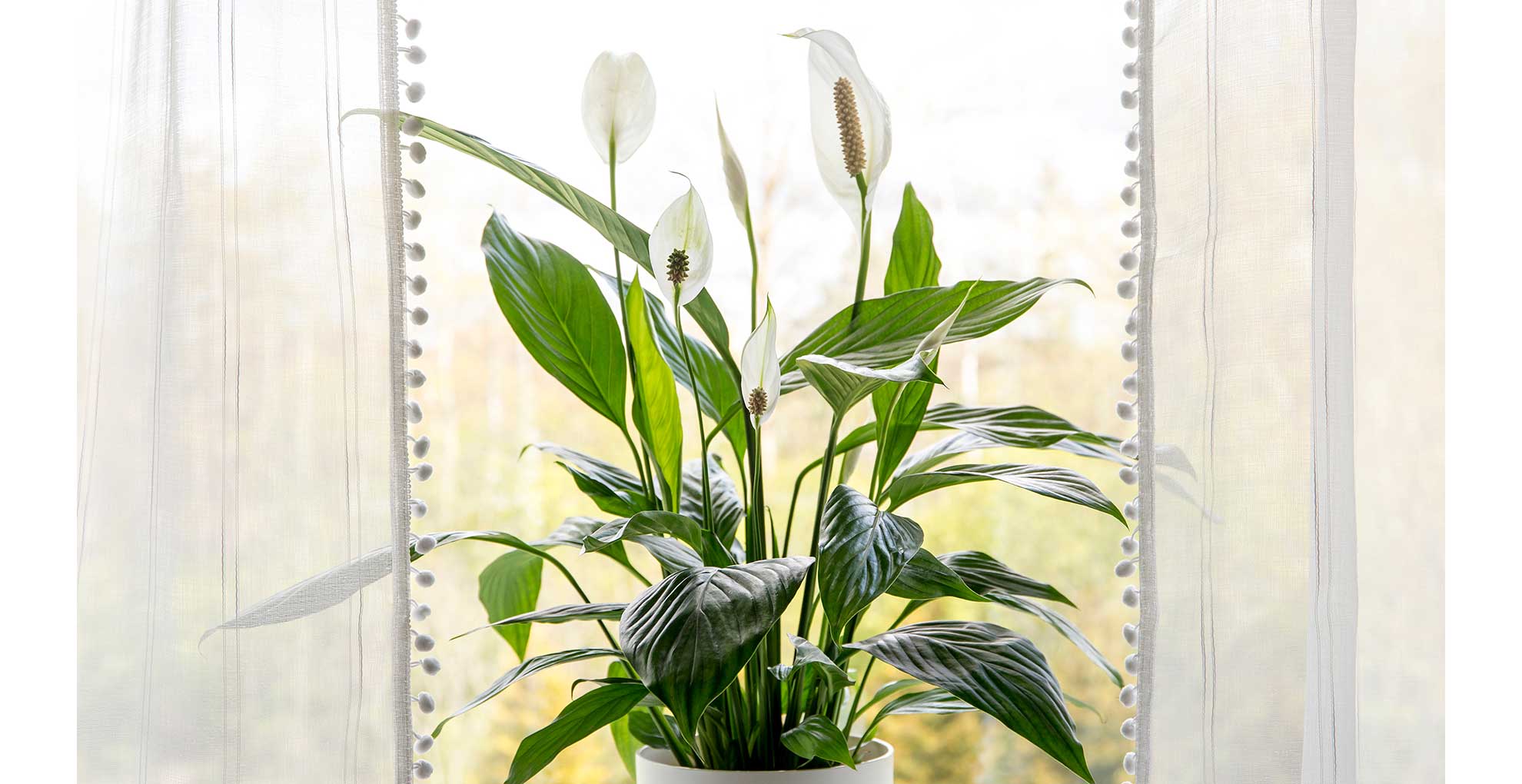
Peace Lilies are not only one of the most elegant-looking houseplants from a purely aesthetic standpoint, they are said to soak up mould spores in the air and absorb water before releasing it back into their environment as vapour. Plus, caring for a peace lily is easy when you know how.
"Peace Lilies are effective at combatting condensation primarily through transpiration as well," says Sheila. "They absorb moisture from the air through their leaves, and this moisture is eventually released back into the surrounding environment, which can help maintain a healthier humidity level indoors, minimising condensation on surfaces."
Keira Kay, a plant expert at Bloom & Wild adds: "As well as soaking up moisture through their leaves (humid kitchens are their dream home) they also take in any mould spores and microbes in the air. This plant just keeps on giving."
Preventing condensation from clinging to windows and walls saves you from dealing with dampness and cleaning mould. Just keep an eye on how much you water your plant to avoid the dreaded problem of your peace lily leaves turning yellow or the tips of your peace lily turning brown.
3. Spider plants
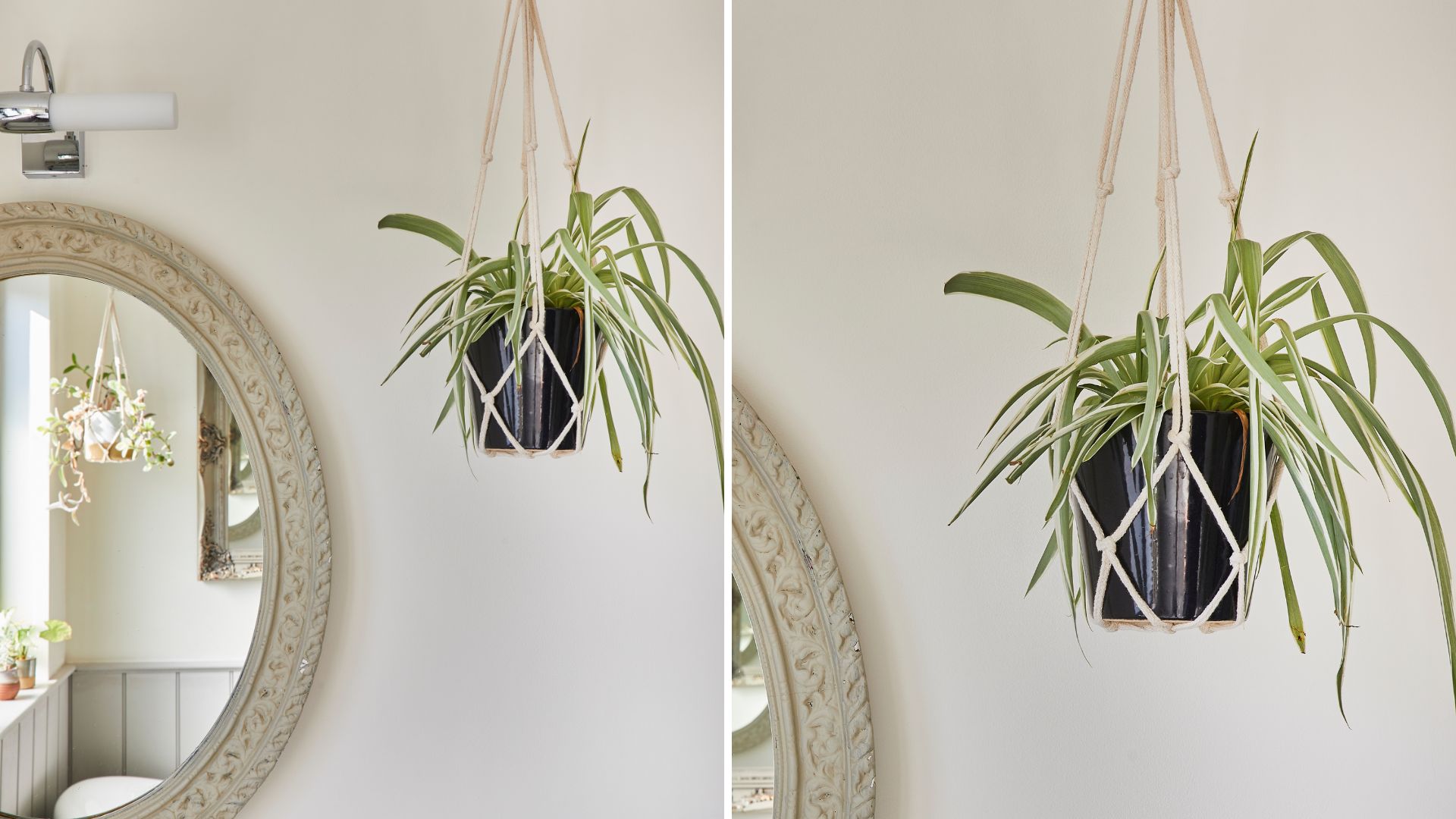
As one of the most low-maintenance house plants Spider plants are hugely popular, especially for 70's inspired interiors because they look fantastic in macrame hangers (as you can see above).
"These plants not only absorb moisture but are also known to purify and improve indoor air by removing pollutants, which can indirectly contribute to maintaining a healthier indoor environment with less condensation," Shelia explains.
So not only will this budget solution brighten up a room it will help to remove moisture and act as one of Mother Nature's best air purifiers. As mentioned, caring for a spider plant is super easy.
4. The Boston Fern
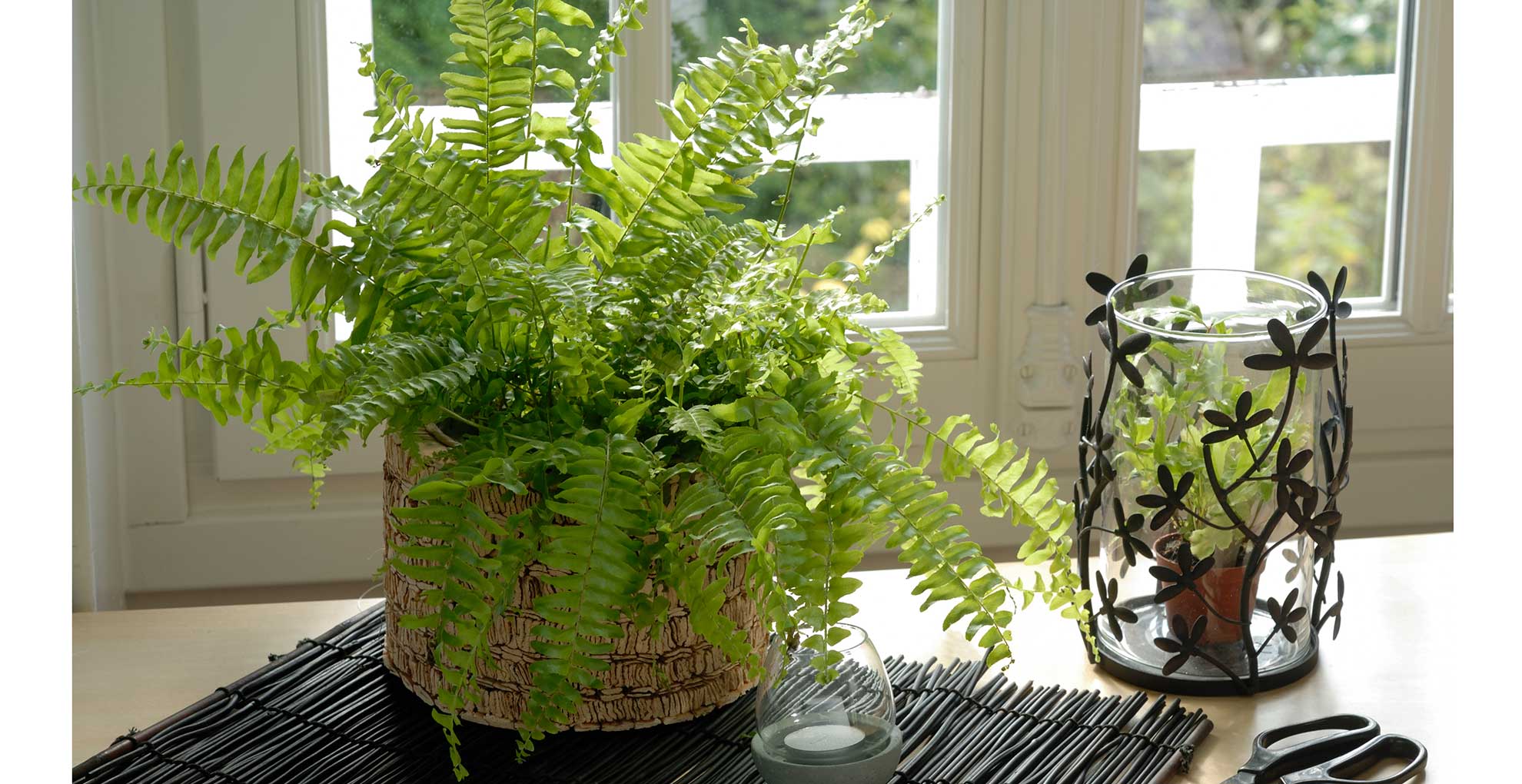
Ferns are famous for their presence in tropical rainforests, which is a clear indication that they thrive in high levels of humidity. They do so well in wet conditions because they actively absorb excess moisture from the air through their luscious and plentiful foliage.
In particular, experts recommend the trendy Boston fern, a beautifully leafy plant that also looks fabulous while it's doing its thing.
"Boston Ferns grow in a clumping pattern with delicate feather-like fronds which arch as they mature," explains Keira. "Boston ferns are thought to be some of the best air-purifying plants because of all their lush green foliage. They love humid environments, and so balance the moisture levels in your home."
"Boston ferns have a high transpiration rate, which means they can take in and release moisture rapidly," says Sheila. "By doing so, they help to reduce humidity levels in their immediate vicinity, making it less likely for condensation to occur on windows, walls, or other surfaces."
5. Aloe Vera
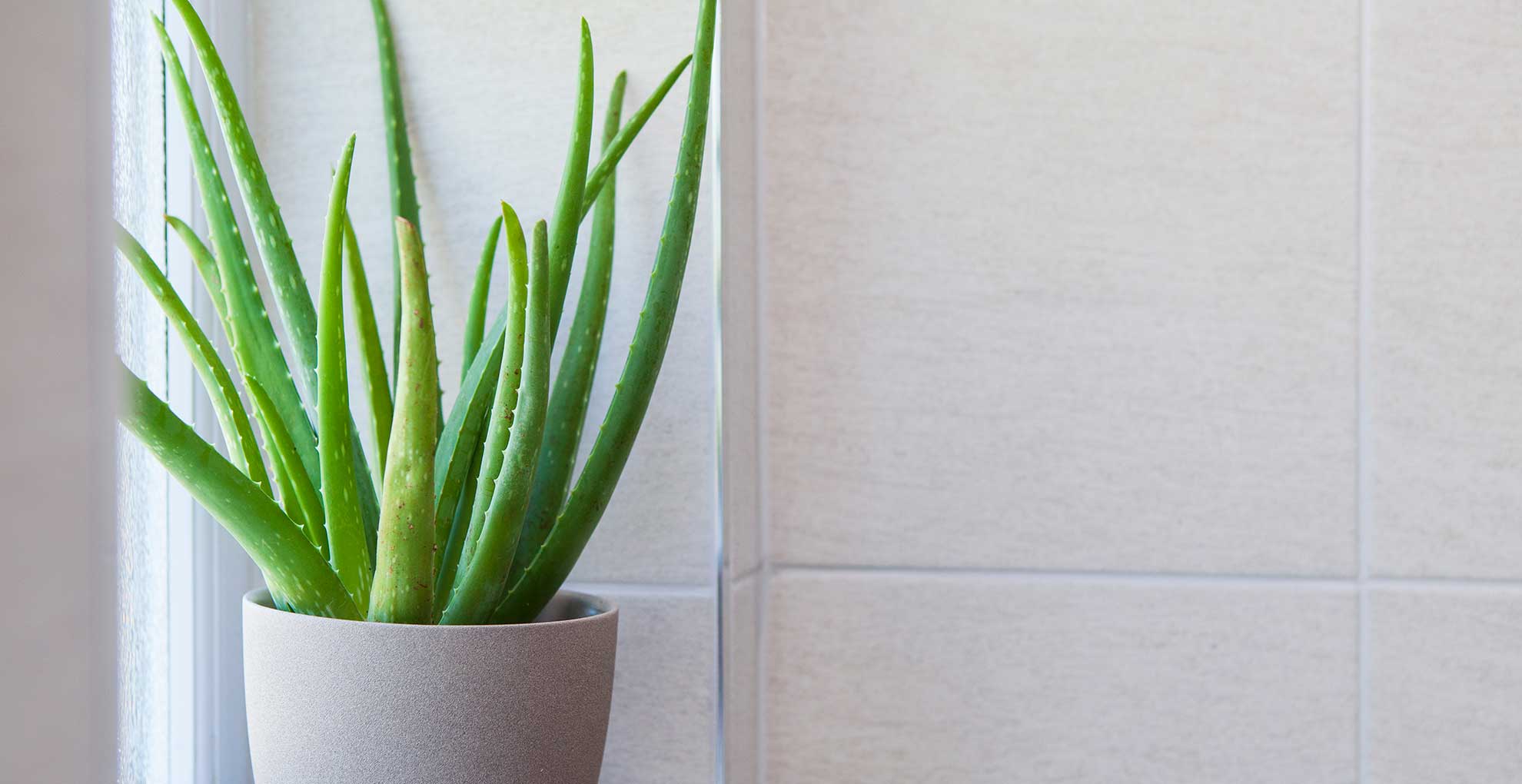
The humble Aloe Vera plant is somewhat of a marvel, with qualities that make it ideal for soothing skin conditions such as acne, and treating sunburn and dry skin. They may be favoured for their soothing properties but Aloe Vera is also said to be effective at absorbing excess moisture in the air.
"These plants work slightly differently, combatting condensation by absorbing moisture from the air through their roots and releasing it through their leaves," says Sheila.
"While they are not as moisture-absorbent as some other plants on this list, they can still contribute to maintaining a balanced indoor humidity level, which can help prevent condensation."
Many plant experts explain how Aloe Vera is a good choice for a bedroom plant because it promotes a good night's sleep thanks to its effective oxygen-release properties. Another advantage is just how easy it is to take care of an Aloe Vera plant, they're extremely hardy.
FAQs
How do houseplants help with condensation?
Condensation is such a prominent issue during the Winter months, mainly because of the contrast between the heat inside our houses, as we strive to make our homes cosy, and the cold air outside. Because of this when warm moist air comes into contact with colder surfaces, it leads to the formation of water droplets which forms condensation.
"The good news is by introducing the correct types of houseplants into your living space you can significantly reduce the amount of condensation generated and improve your overall air quality," says Sheila.
Plants help by naturally drawing in the excess moisture present in the air. This excess moisture is then used to nurture the plant and is expelled as oxygen or water vapour, depending on which plant variety the houseplant is.
Can plants act as dehumidifiers?
While I highly recommend investing in a dehumidifier and avoiding dehumidifier mistakes, using plants can be a cost-effective alternative.
"Although they will not be as effective as a typical dehumidifier, indoor plants can function as great natural dehumidifiers. They will absorb water from their surroundings through their leaves, and they will release moisture back out by the process of transpiration. This process helps to regulate humidity levels and can reduce the amount of excess moisture in the air of your home," says Graham MCIhort, horticulture expert at LBS Horticulture.
If you're putting off buying a dehumidifier due to its cost then it's good to know all the reasons that having a dehumidifier in summer is as useful as using a dehumidifier in winter. They're not just appliances that can help in the cold weather.
By introducing any of the recommended plants above to your living spaces you can help to naturally combat condensation issues throughout the winter months – whilst also adding a touch of greenery to welcome a positive energy into your home.