

Why Pet Fitness is Important ?

Pet fitness is essential for ensuring a long, happy, and disease-free life. When pets do not get enough exercise or consume an imbalanced diet, they may develop obesity, joint problems, and even chronic illnesses. On the other hand, maintaining fitness helps improve their stamina, enhances mood, and keeps them active throughout the day. A fit pet is not only physically healthy but also emotionally stable and less prone to stress or anxiety.
The Role of Diet in Maintaining Fitness
Diet plays a crucial role in providing the energy and nutrients pets need for daily activities. A balanced diet includes proteins, healthy fats, carbohydrates, vitamins, and minerals. Proteins help in muscle development and repair, while fats provide long-lasting energy. Carbohydrates support daily activity levels, and vitamins and minerals strengthen the immune system. Feeding pets the right portions is equally important, as overfeeding can lead to weight gain while underfeeding may result in weakness and nutritional deficiencies.
The Importance of Regular Exercise
Exercise is vital for maintaining physical and mental health in pets. Regular physical activity strengthens muscles, improves heart health, and helps control weight. It also keeps joints flexible and prevents stiffness, especially in older pets. Beyond physical benefits, exercise plays a significant role in reducing stress, anxiety, and boredom. Pets that are regularly active tend to be happier, more obedient, and less likely to develop destructive behaviors.
Balancing Diet and Exercise
Achieving the right balance between diet and exercise is key to pet fitness. Feeding a pet more than required without adequate exercise can lead to obesity, while excessive exercise without proper nutrition can cause fatigue and health issues. Pet owners should adjust food intake based on their pet’s activity level and gradually build an exercise routine that suits their pet’s needs. Monitoring weight, energy levels, and overall behavior helps in maintaining this balance effectively.
Understanding Different Exercise Needs

Different pets have different exercise requirements. Dogs generally need daily walks, play sessions, and sometimes training activities depending on their breed and energy levels. Cats, although less demanding, benefit from interactive indoor activities such as chasing toys or climbing. Birds and small animals like rabbits also require space and opportunities to move freely. Understanding these unique needs ensures that each pet receives the right amount of physical activity.
Choosing the Right Diet for Active Pets
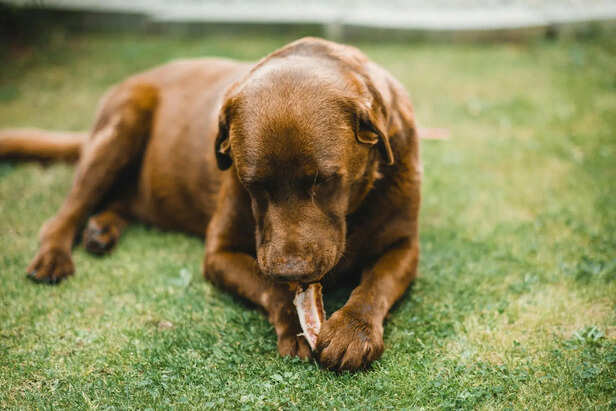
Active pets require nutrient-rich diets to support their energy needs. High-protein foods help build and repair muscles, while healthy fats provide sustained energy for longer activities. Including vitamins and minerals ensures strong immunity and overall body function. Fresh and high-quality food choices contribute significantly to maintaining fitness and preventing health issues.
The Role of Hydration
Hydration is an often overlooked but essential part of pet fitness. Water helps regulate body temperature, supports digestion, and aids in recovery after exercise. Pets should always have access to clean and fresh water, especially after physical activity, to prevent dehydration and fatigue.
Signs of a Fit and Healthy Pet
A fit pet shows clear signs of good health, such as a healthy body weight, shiny coat, bright eyes, and consistent energy levels. They are active, playful, and have a good appetite. Proper digestion and regular habits also indicate that the pet is maintaining a balanced lifestyle.
Celebrate the bond with your pets, explore Health & Nutrition, discover Breeds, master Training Tips, Behavior Decoder, and set out on exciting Travel Tails with Times Pets!
Frequently asked questions (FAQs)
-
How much exercise does my pet need daily?
It depends on the type, breed, and age of your pet. Dogs may need 30–120 minutes, while cats require short play sessions.
-
Can I feed my pet before exercise?
It’s better to feed after exercise or allow some time between feeding and activity to avoid digestive issues.
-
What is the best diet for active pets?
A diet rich in protein, healthy fats, and essential nutrients is ideal for active pets.