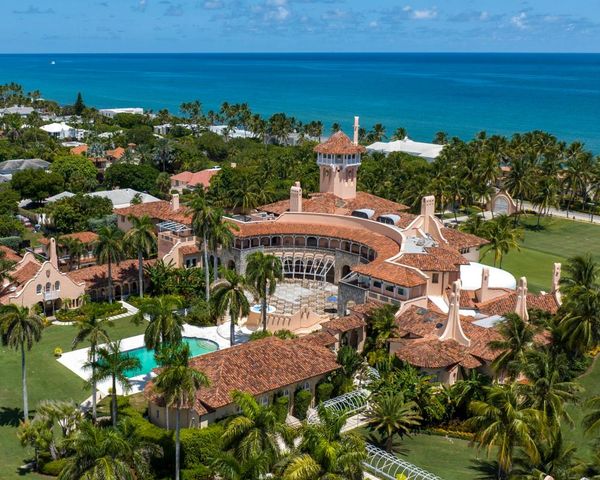
For one day last week, the country was fascinated by the consequences of a death. The sixth Duke of Westminster had died suddenly. The interest was not around the circumstances of the death, but the detail of the late duke’s estate, and the fact primogeniture rules kicked in, ostensibly leaving his daughters, older than his son, with nothing. The late duke’s assets, which include a huge property empire, are likely kept in trust so avoiding inheritance tax.
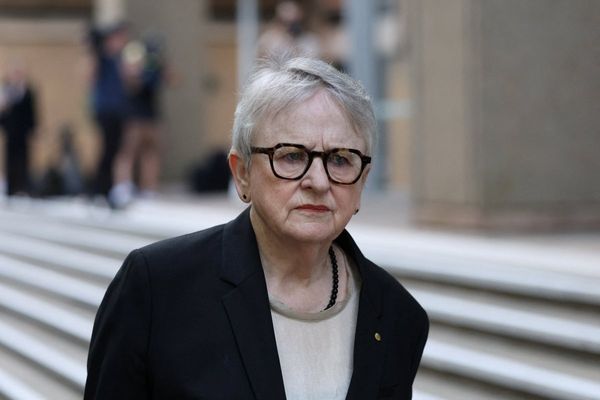
Digging into the sixth duke’s past, however, there was an unusual legal case in the early 90s against Westminster council. During Dame Shirley Porter’s time at the local authority, amid the homes for votes scandal, Westminster council attempted to sell 532 flats built by Sir Edwin Lutyens and leased to the council by the duke for a peppercorn rent. The second Duke of Westminster had given the council a 999-year lease with the stipulation that the flats be used only as “dwellings for the working classes”. The council claimed that the term “working class” was now meaningless and the stipulation that they must rent the flats at low rates to low paid people was burdensome.
The sixth duke won, with the court finding no evidence that the term working class was obsolete, meaning the clause was as relevant in 1990 as it had been in 1937. Porter responded “in a week when the son of a trapeze artist [John Major] has been battling to become prime minister, the courts have ruled that we must remain wedded to an outdated class system”. Porter herself seems most wedded to the class system, gleefully engaging in class war against her poorest residents.
Attacks on housing such as these are often straightforward attacks on the working class. Politicians of many hues find it politically expedient to pretend we live in a classless society. Just as John Prescott declared in 1997 that “we’re all middle class now”, so Conservatives push the idea that we should focus on becoming a nation of homeowners. Except, not everyone can, and while doubtless many people would be pleased to find the barriers to homeownership lowered, the unspoken subtext is that this will be achieved by selling off social housing at reduced rates, leaving you high and dry if you’re on a low income or homeless.
But to the annoyance of many people on the higher end of the socio-economic spectrum, class won’t die – the British Social Attitudes survey found that six in 10 people consider themselves working class. If the majority of Britons still feel they belong to the class, while you can argue the term may have lost some of its meaning, it remains a label that huge numbers of people identify with. And that’s of little surprise: wages haven’t kept up with inflation, and in many parts of the country, precarious work, rather than stable contracted work, is now the norm. The housing crisis exists through the UK, not just in the south-east, as without jobs and proper earnings, even if rent or mortgage repayments are low, your salary is lower.
The point of social housing, as both the second and sixth Dukes of Westminster understood, is to provide homes for people who need them, when they need them. The housing lists in many councils are eye-watering, as people clearly aspire to rent a home with affordable rent and a more secure tenancy. Social housing is designed to provide good homes for the working classes, to remedy the horror of slums: we aren’t all middle class now, so a one size fits all approach to housing will not work, and is not designed to work. Homeownership can’t and won’t work for many of the poorest people, and social housing will always be needed: now is the time to build, not sell it off.