Rising fuel prices are pushing more drivers to consider electric cars, with new analysis suggesting switching to an EV on a lease could save more than £1,300 a year compared with a petrol alternative.
Research from the Energy and Climate Intelligence Unit (ECIU) looked at the total cost of leasing and running some of the UK’s best-selling electric cars and compared them with equivalent petrol models. Factoring in monthly lease payments alongside running costs such as fuel or charging, insurance and servicing, the study found average savings of £4,070 over a typical three-year lease – or just over £1,350 annually.
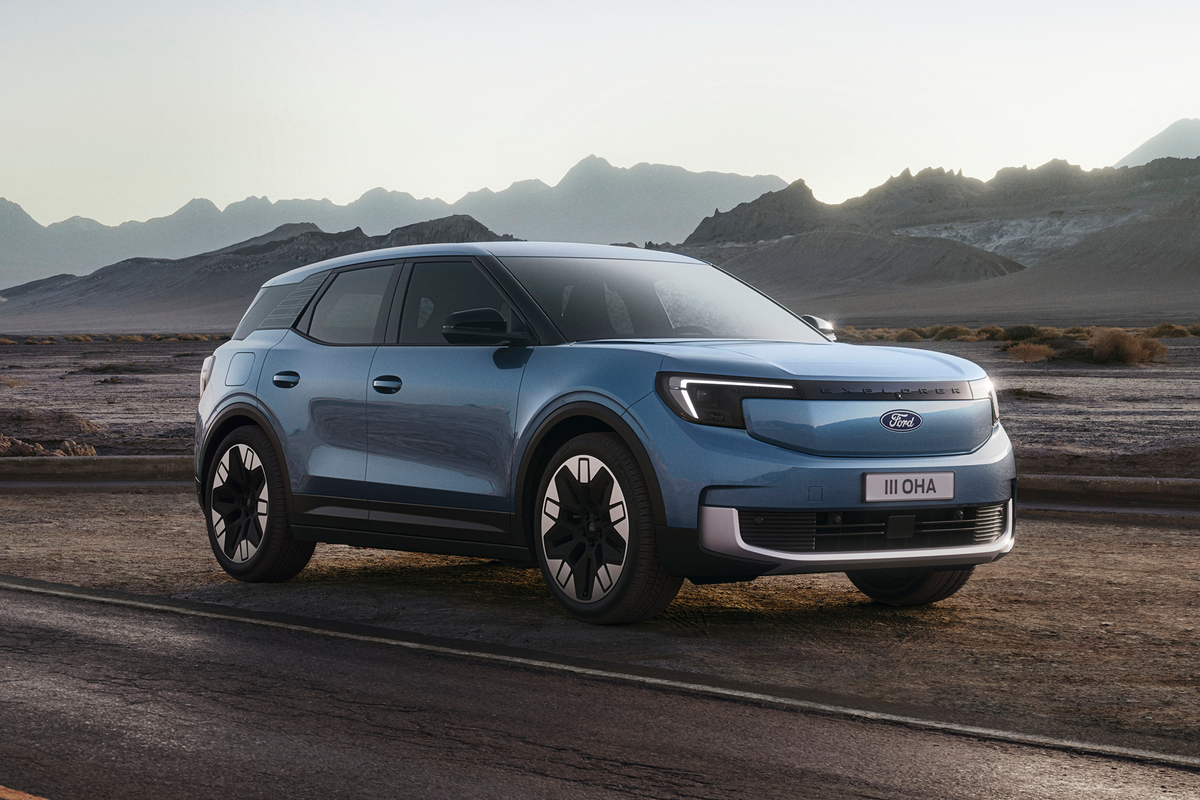
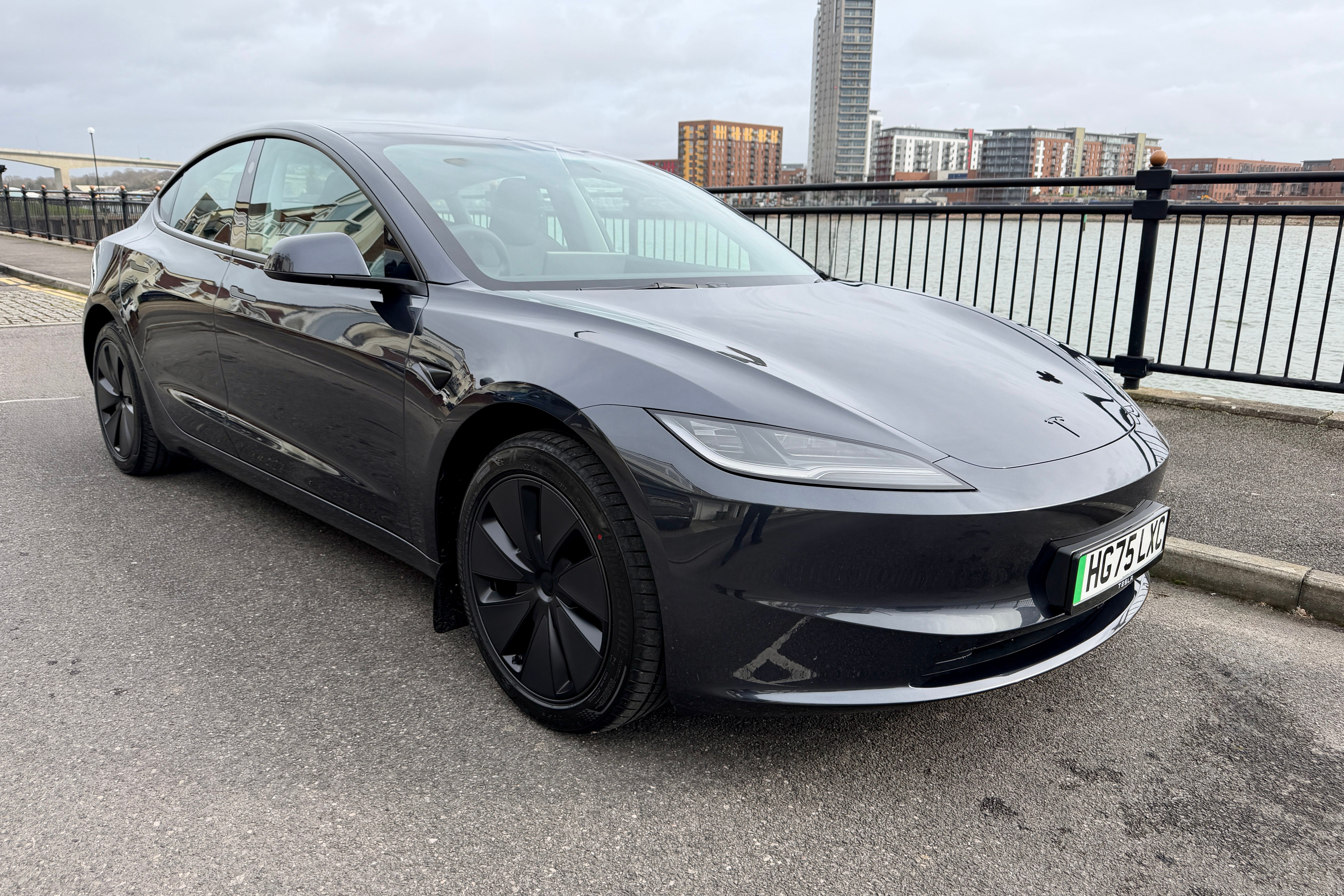
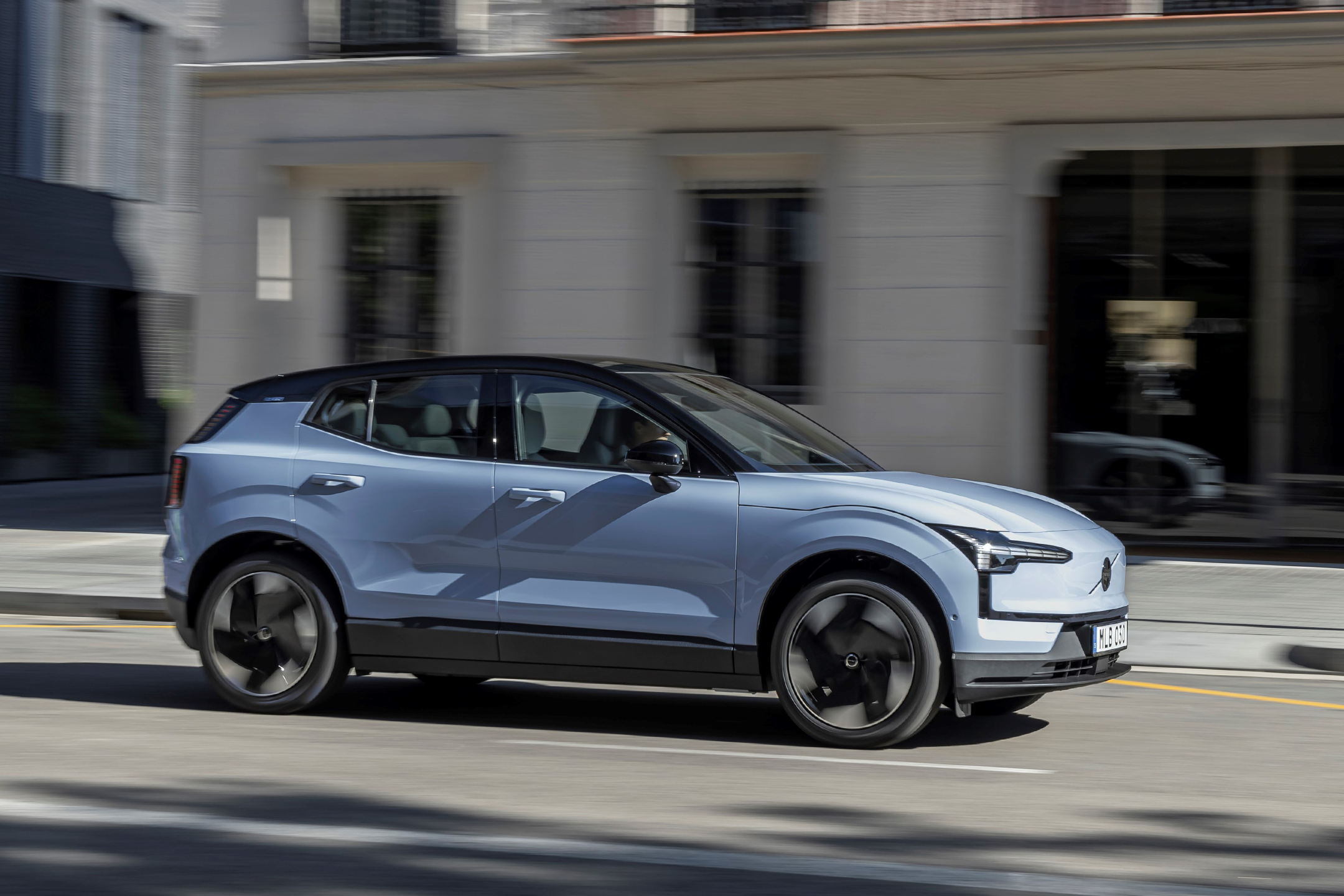
Some models showed even bigger differences. The Tesla Model 3, for example, was calculated to be £4,744 a year cheaper to lease and run than a petrol BMW 3 Series. A Volvo EX30 came out £1,875 a year cheaper than a BMW X1, while a Ford Explorer EV was £1,390 ahead of a petrol Ford Kuga. More modest savings were recorded elsewhere, including £893 a year in favour of the electric Skoda Enyaq over a petrol Kodiaq.
The findings come as global oil markets remain volatile. The analysis suggests that with petrol rising from £1.32 per litre to around £1.50, annual fuel costs have increased from roughly £1,220 to £1,390 for a typical driver. More extreme projections of $150 (£113) for a barrel of oil could see petrol climb to £1.90 per litre, pushing yearly fuel costs to around £1,760.
Colin Walker, Head of Transport at the ECIU, said: “The war in Iran is once again highlighting the consequences of our dependence on volatile oil markets over which we have no control – petrol prices are rising, which will result in millions of British drivers having to pay hundreds of pounds a year more to run their cars.
“It is no surprise that interest in EVs has risen significantly since the war started, since they offer drivers a way to shield themselves from the shocks we are seeing in global energy markets. Leasing is an increasingly popular means by which drivers can make the switch, delivering average driving cost savings of over £1350 a year”.
Unlike buying a car outright, leasing removes the risk of depreciation, with drivers simply returning the vehicle at the end of the term. The ECIU says this is an increasingly common way for motorists to access new cars, but one that is often overlooked in cost comparisons between electric and petrol models.
The analysis also points to wider market trends helping to bring EV costs down. Walker said: “The Government’s ZEV mandate policy is increasing competition between manufacturers, driving down prices and, as new cars are sold on, ultimately widening the pool of second-hand EVs on sale. If not leasing, many of us buy on the second-hand market where EVs offer huge savings over their petrol equivalents’.”
The International Energy Agency has previously said the UK’s ZEV mandate is helping to drive a surge in EV sales, with manufacturers competing to meet targets by offering more attractive pricing.
However, the ECIU warns that any change in policy could slow that progress. Walker added: “Any U-turn on the mandate could weaken this dynamic in the midst of an energy crisis, slowing the UK’s transition to the electric vehicles that will reduce its dependence on oil, and better protect its drivers from shocks in global energy. It could also undermine the UK’s position as a front runner in the global EV transition and introduce regulatory uncertainty at a crucial time in the UK car industry’s transition to building the vehicles upon which its future depends”.
Separate analysis in the report suggests the stakes are high, with the UK automotive sector potentially losing significant economic output and jobs if it fails to transition to EV production, while a successful shift could boost growth and employment.
Jodie Kidd takes an electric road trip as EV charger numbers overtake petrol pumps
Renault Twingo review: This budget EV is the best car I’ve driven in 2026
Should you choose a plug-in hybrid or a fully electric car? Here’s my expert view
Kia EV2 review: Small electric SUV brings big-car tech to the masses