The Eurovision Song Contest is a cultural extravaganza, designed to draw the people of Europe together through light entertainment and healthy competition. But ultimately, it’s all about the songs.
Since the first competition in 1956 there have been 66 winners (due to an infamous four-way tie in 1969). Those contestants have ranged from the good (Conchita) to the bad (most of the early 2000s), to the downright ugly (Lordi), but it’s worth exploring the list for some of the gems hidden among the decades.
Eurovision can also be viewed as a kind of cultural history of our evolving – and sometimes dubious – musical tastes. If you thought Brexit was a disaster, let this be your reminder that European votes have been throwing up some very questionable results for more than half a century. Let us begin...
66. “Satellite” – Lena (Germany, 2010)
Like ripping off a band aid, we must begin with the truly cringeworthy. Lena sounded like a tuneless heiress whose dad has paid for her to record a cover of an Olly Murs track for her 16th birthday.
65. “Un premier amour” – Isabelle Aubret (France, 1962)
A totally forgettable song that even Aubret’s sultry French purring can’t save.
64. “Everybody” – Tanel Padar, Dave Benton and 2XL (Estonia, 2001)
Why did it take three individuals to perform this? Why are they all wearing shirts clearly found on the floor of a TK Maxx? Why on Earth did people vote for this? Why?
63. “Poupée de cire, poupée de son” – France Gall (Luxembourg, 1965)
Serge Gainsbourg wrote this dreary song about a rag doll, performed at Eurovision in 1965 by a Sienna Miller lookalike who appears to be out to lunch for most of it.
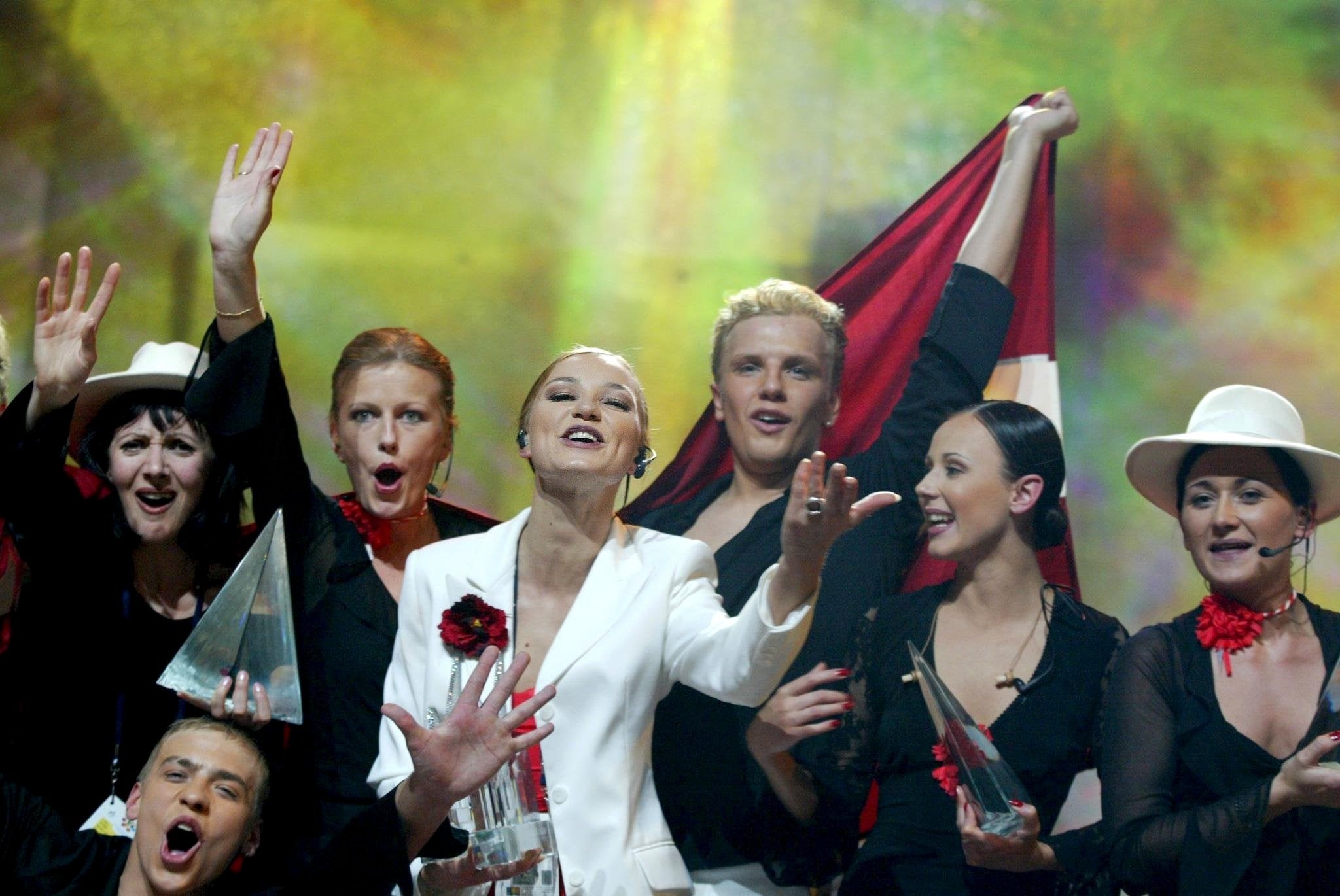
62. “I Wanna” – Marie N (Latvia, 2002)
The song itself is dreadful, like a tango number from regional panto, but the white suits and fedoras confuse things even more. Whoever dreamt up this spectacle, please, I just want to talk.
61. “Net als toen” – Corry Brokken (Netherlands, 1957)
Given this song drags on for an eye-watering five minutes, you can see why the competition introduced a three minute time limit.
60. “Nocturne” – Secret Garden (Norway, 1995)
Norway were trying to do something different here, but with hindsight this largely instrumental piece is just dull.
59. “Nous les amoureux” – Jean-Claude Pascal (Luxembourg, 1961)
If you like tall, dark and handsome French men crooning softly down the camera lens at you, then 1961 was a good year. For the music fans among us… not so much.
58. “De troubadour” – Lenny Kuhr (Netherlands, 1969)
This 1969 entry from the Netherlands sounds like the 16th century entry from Ye Olde Englande.
57. “Een Beetje” – Teddy Scholten (Netherlands, 1959)
“Een beetje” means “a little”, which is how faithful Scholten says she is to her boyfriend – all quite scandalous stuff for 1959, but the song itself sounds like a nursery rhyme so we’re good.
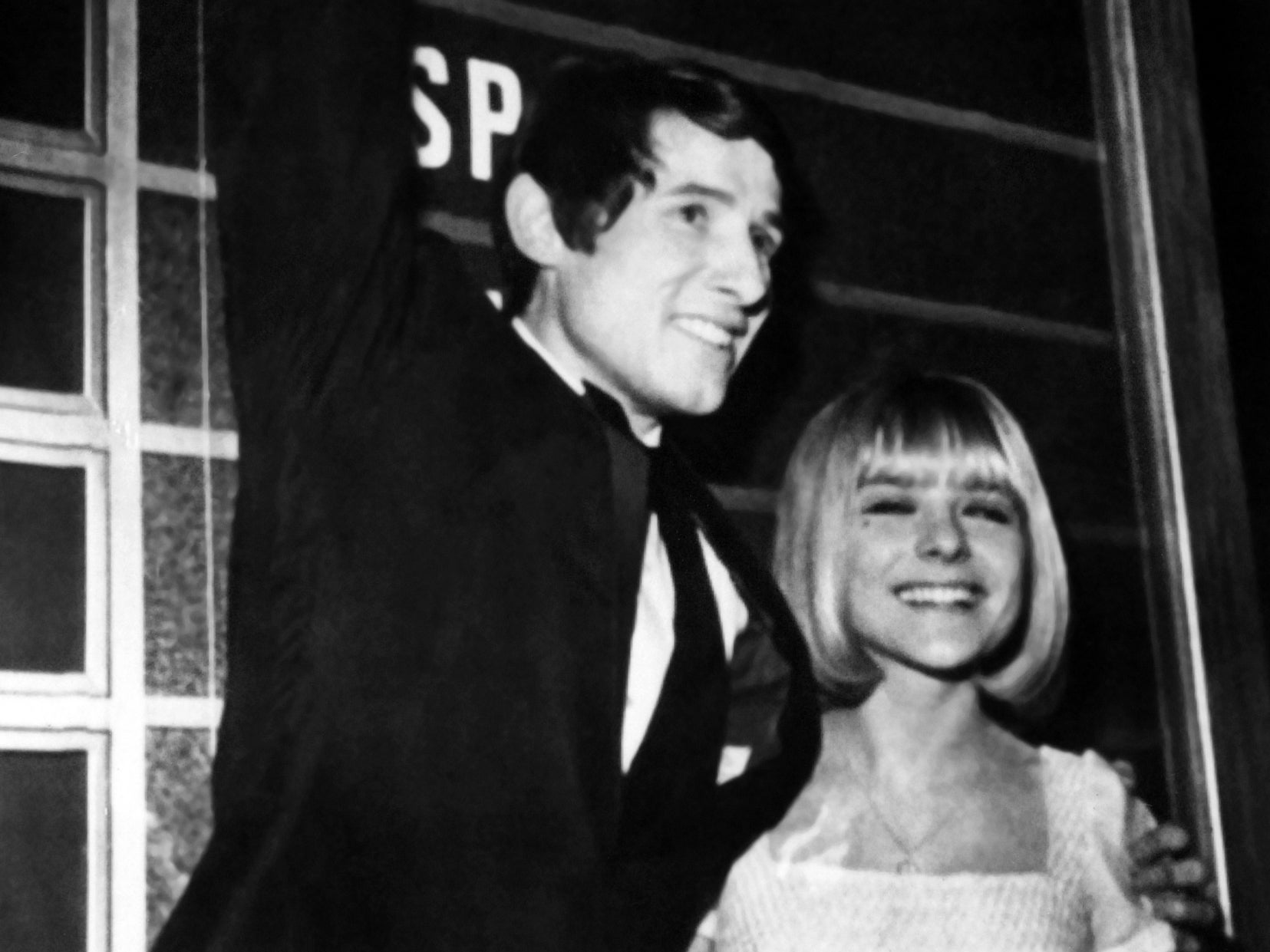
56. “Merci, Chérie” – Udo Jürgens (Luxembourg, 1966)
If you like tall, dark and handsome Austrian men crooning softly...well, you get the idea.
55. “Dansevise” - Grethe and Jørgen Ingmann (Denmark, 1963)
Quite a pleasant guitar-led ballad from this husband and wife duo who look like they’ve just stepped out of Mad Men.
54. “Dors, mon amour” – André Claveau (France, 1958)
Like a French version of “Beyond the Sea”, another old crooner number you’ll quickly forget.
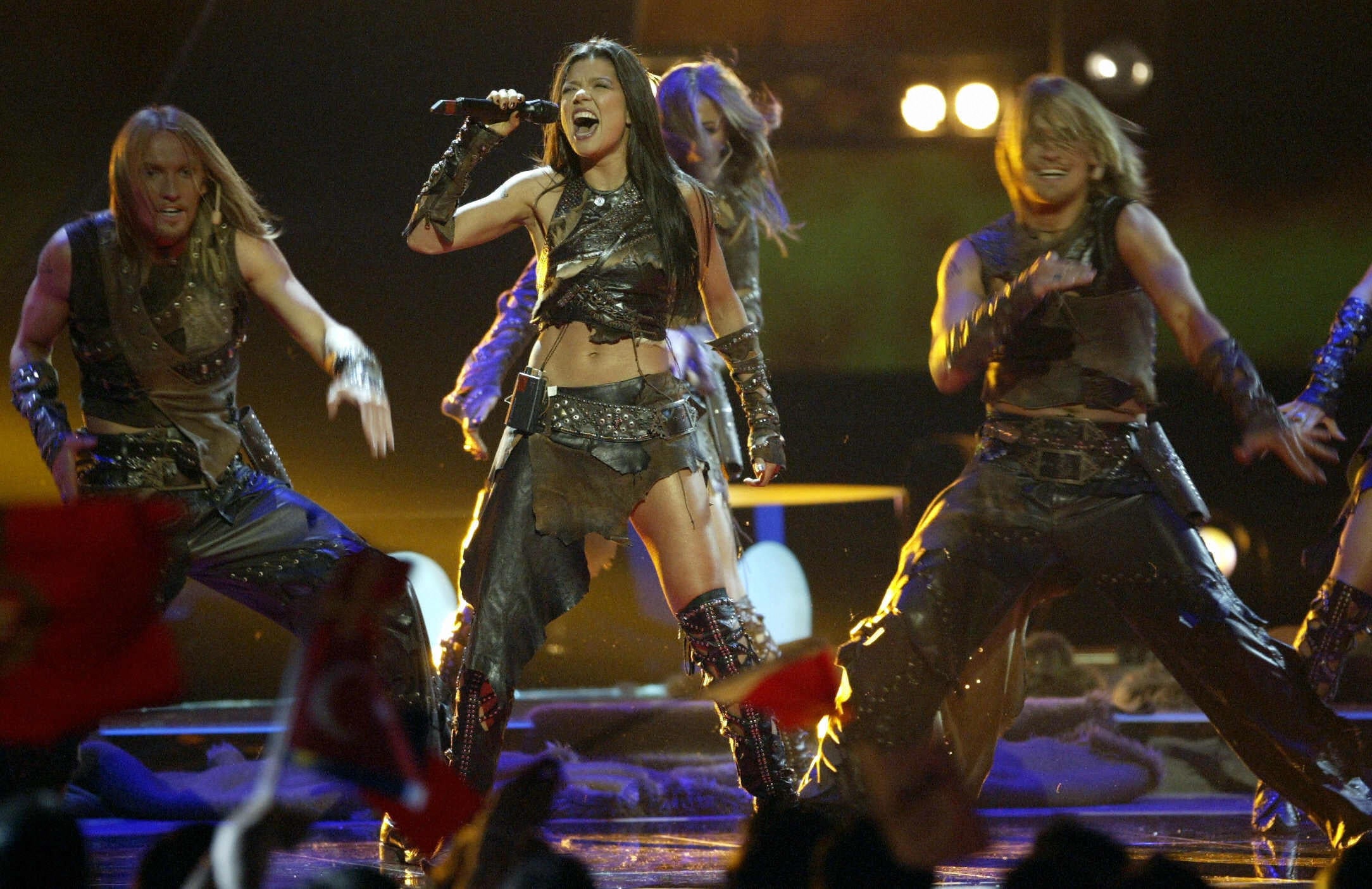
53. “Wild Dances” – Ruslana (Ukraine, 2004)
If you’ve ever wondered what it looks like when Xena Warrior Princess lets her hair down on a night out, wonder no more.
52. “L'oiseau et l'enfant” – Marie Myriam (France, 1977)
This was the last time France won, but they made the most of it – this song builds up to a powerful finish.
51. “Non ho l'età” – Gigliola Cinquetti (Italy, 1964)
No video recording of the 1964 show exists, so you’ll have to make do with listening to this one blind – a bit like being on The Voice. You probably wouldn’t turn your chair around, and you definitely wouldn’t press the golden buzzer.
50. “Tom Pillibi” – Jacqueline Boyer (France, 1960)
This song is about a man who claims to have castles, ships, and many, many women – but Jacqueline claims he’s a complete liar. Mr Pillibi could not be reached for comment.
49. “The Voice” – Eimear Quinn (Ireland, 1996)
After the world fell in love with Riverdance, Ireland served up this ethereal homage to Irish traditional music that secured a record seventh win… but it pales in comparison to its predecessors.
48. “Un jour, un enfant” – Frida Boccara (France, 1969)
A rousing chorus features in an otherwise dull affair – Boccara’s voice is the best thing here.
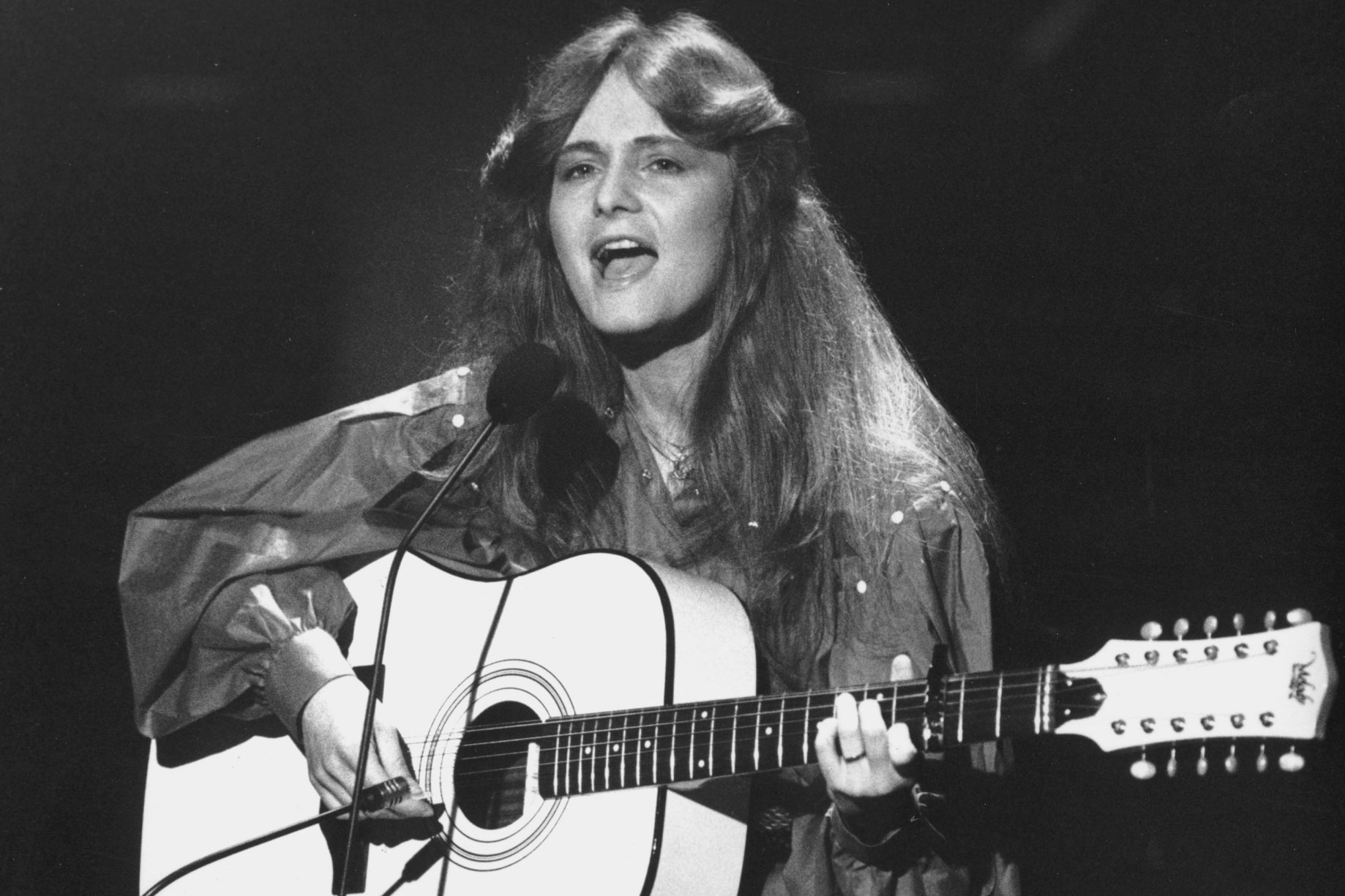
47. “Ein bißchen Frieden” – Nicole (Germany, 1982)
17-year-old Nicole accompanies herself on guitar for this round -the-campfire jaunt about peace and joy on earth. It’s just “alright”.
46. “Ding-a-dong” – Teach-In (Netherlands, 1975)
A decent melody, but the singer doesn’t appear fully confident with the silly refrain. Probably some of the worst costumes of the 1970s on show here, too.
45. “A-Ba-Ni-Bi” – Izhar Cohen and the Alphabeta (Israel, 1978)
A better stab at the same groovy style, Israel’s first ever win almost goes full-on disco, with its white suits and synchronised dancing.
44. “Un banc, un arbre, une rue” – Séverine (Monaco, 1971)
The only win for Monaco in Eurovision history is a classic French chanson with a strong, driving chorus. Even if it is about a bench, a tree and a street.
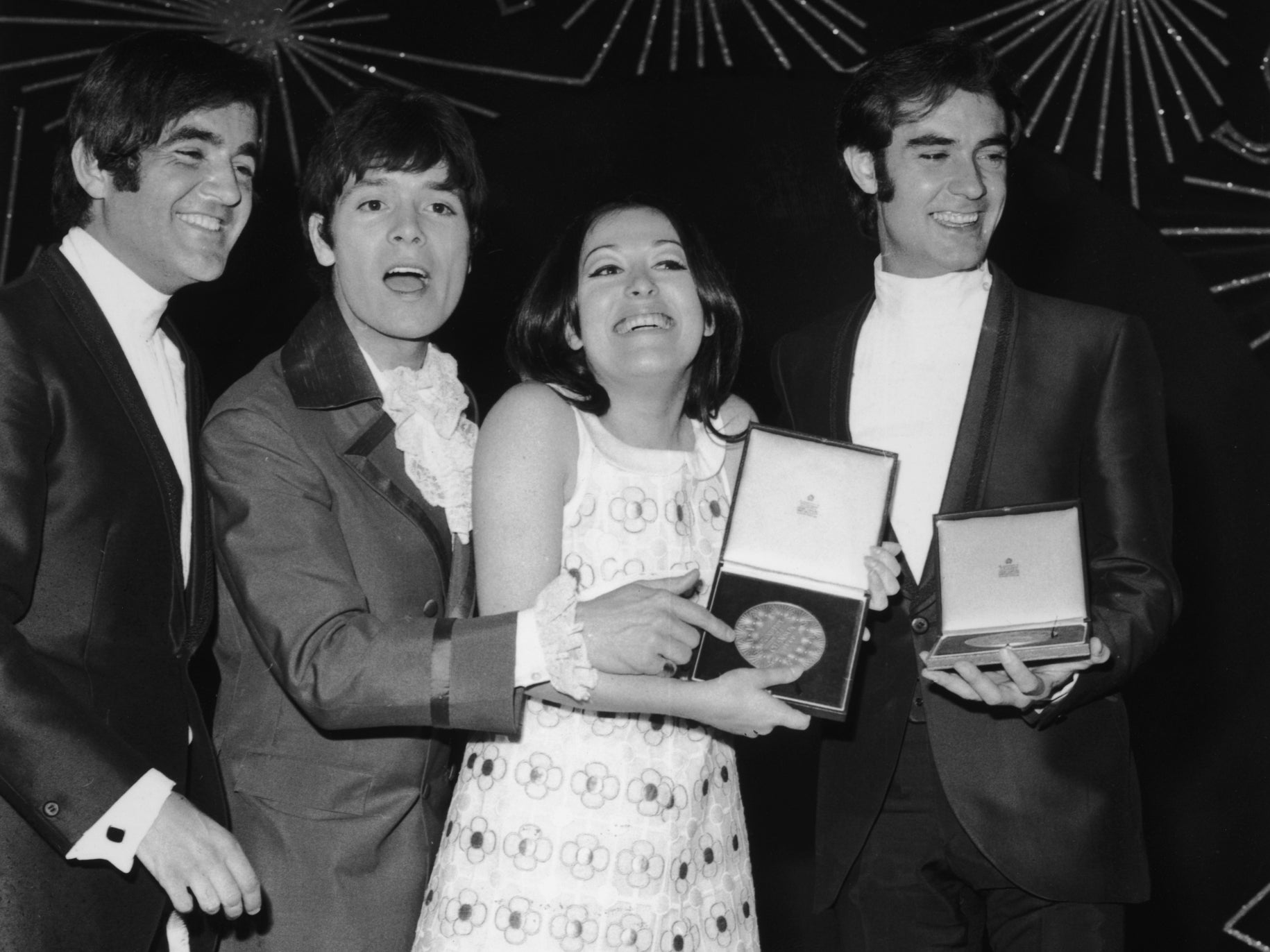
43. “La, la, la” – Massiel (Spain, 1968)
Cliff Richard’s “Congratulations” was beaten by this song, which threatens to stick in your head for days.
42. “Rock Me” – Riva (Yugoslavia, 1989)
Speaking of repetitive tunes that you can’t get out of your head, good luck with this slice of electropop cheese.
41. “Vivo cantando” – Salomé (Spain, 1969)
Let’s discuss Salomé, who broke the no-dancing rule with her sassy shrugs and arm flicks while sporting a blue feathered jumpsuit, a pearl necklace and smoky eyeshadow. Did I mention she’s called Salomé? We have decided to stan.
40. “Insieme: 1992” – Toto Cutugno (Italy, 1990)
A touching rock power ballad about the need for Europe to unite as one. Anyone for an encore?
39. “Hallelujah” – Gali Atari and Milk and Honey (Israel 1979)
So. Many. Key. Changes. This truly is the “Love On Top” of Eurovision songs. It’s probably gone up another few octaves while you were reading this article.
38. “La det swinge” – Bobbysocks! (Norway, 1985)
One of many songs that straddles the line between amazing and awful, a bit like two of your aunts doing ABBA at karaoke. We’re cheering them on all the same.
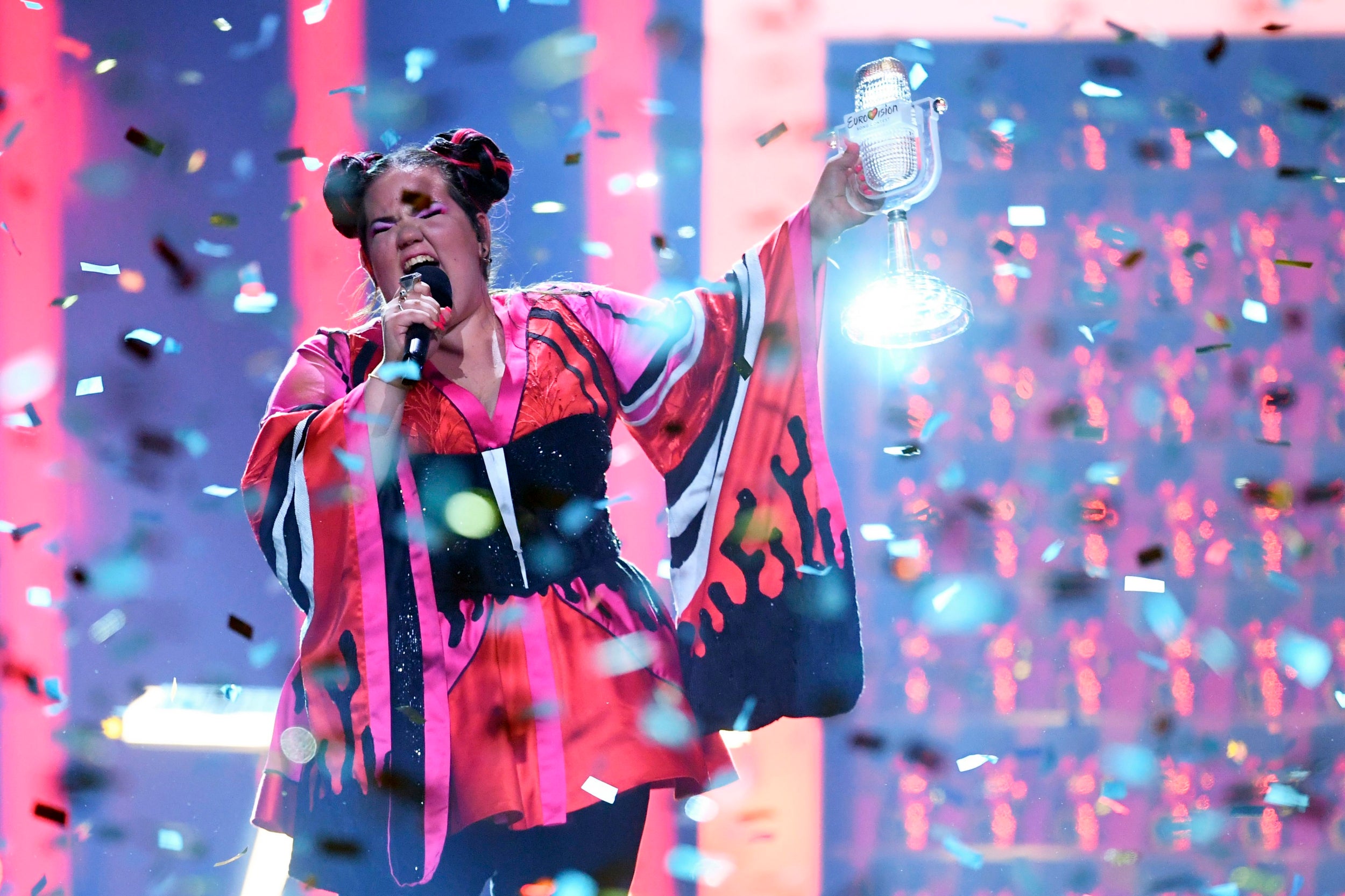
37. “Toy” – Netta (Israel, 2018)
A truly wacky song and performance, “Toy” has a catchy chorus surrounded by questionable gibberish, chicken noises, and surely the competition’s only Pikachu reference.
36. “Refrain” – Lys Assia (Switzerland, 1956)
The first ever Eurovision winner is a classic, romantic affair, with playful orchestration and swooning backing singers. One of the best of the early years.
35. “Believe” – Dima Bilan (Russia, 2008)
A mid-tempo boyband-style song, Russia’s big win was an ironically homoerotic affair, with the handsome Bilan exposing his chest while a male ice dancer touched himself nearby.
34. “Heroes” – Måns Zelmerlöw (Sweden, 2015)
Another from the handsome chap category, “Heroes” was like a David Guetta production with slightly underwhelming country-style verses. Extra points for the high-tech staging, though.
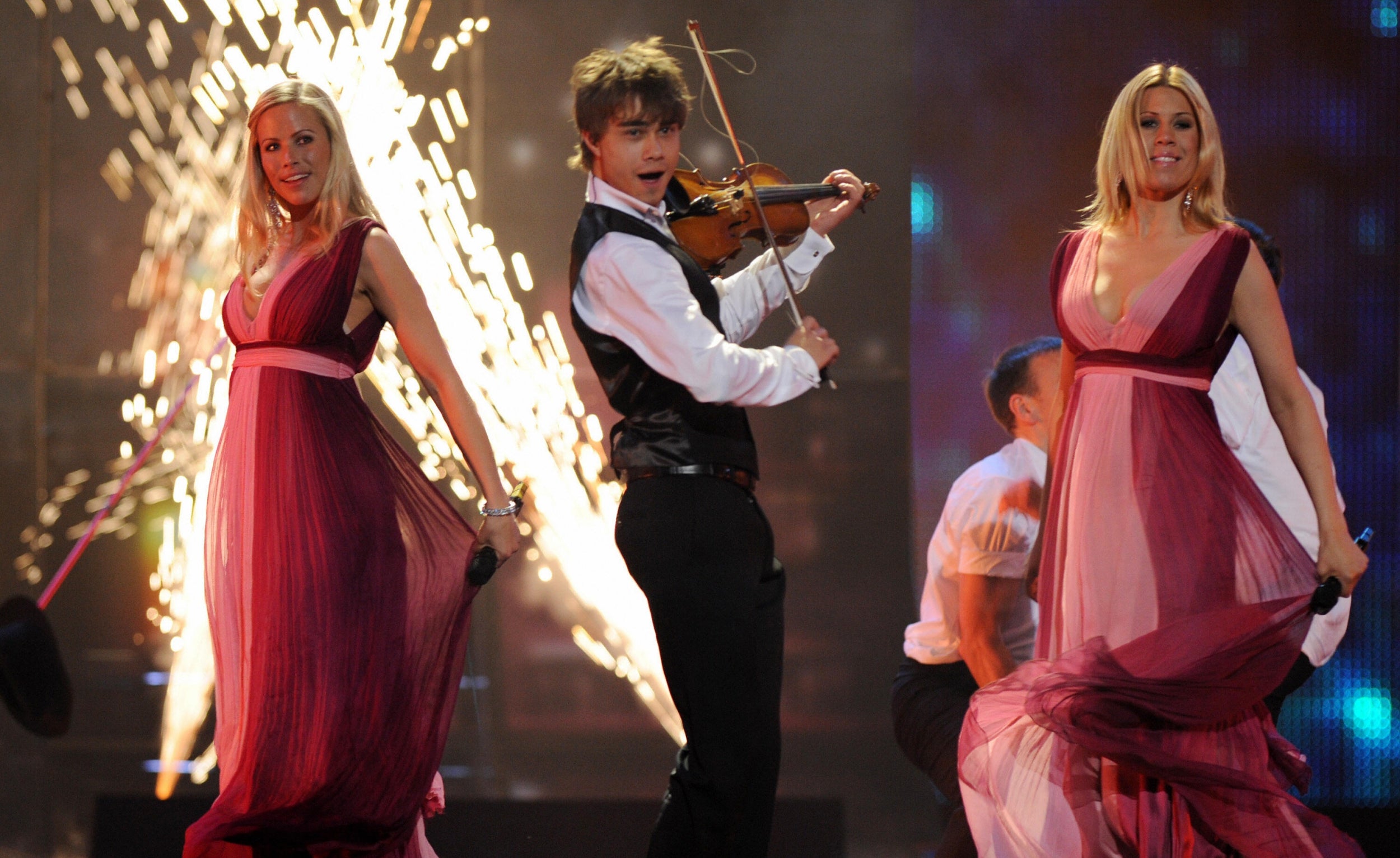
33. “Fairytale” – Alexander Rybak (Norway, 2009)
Rybak’s impressive fiddling and folk dancing made this a memorable Eurovision moment.
32. “Running Scared” – Ell & Nikki (Azerbaijan, 2011)
This is nice and all, but it’s a bit like a mid-Noughties band releasing their fourth single from the album, without any budget for the impressive visuals offered by fellow Eurovision champions.
31. “Après toi” – Vicky Leandros (Luxembourg, 1972)
A strong ballad from a popular Eurovision singer, who seemed to have accidentally turned up dressed for a funeral.
30. “All Kinds of Everything” – Dana (Ireland, 1970)
Ireland’s first win is a thoroughly wholesome piece from an original Derry girl. Beautifully composed, it’s almost like something from a Disney film.
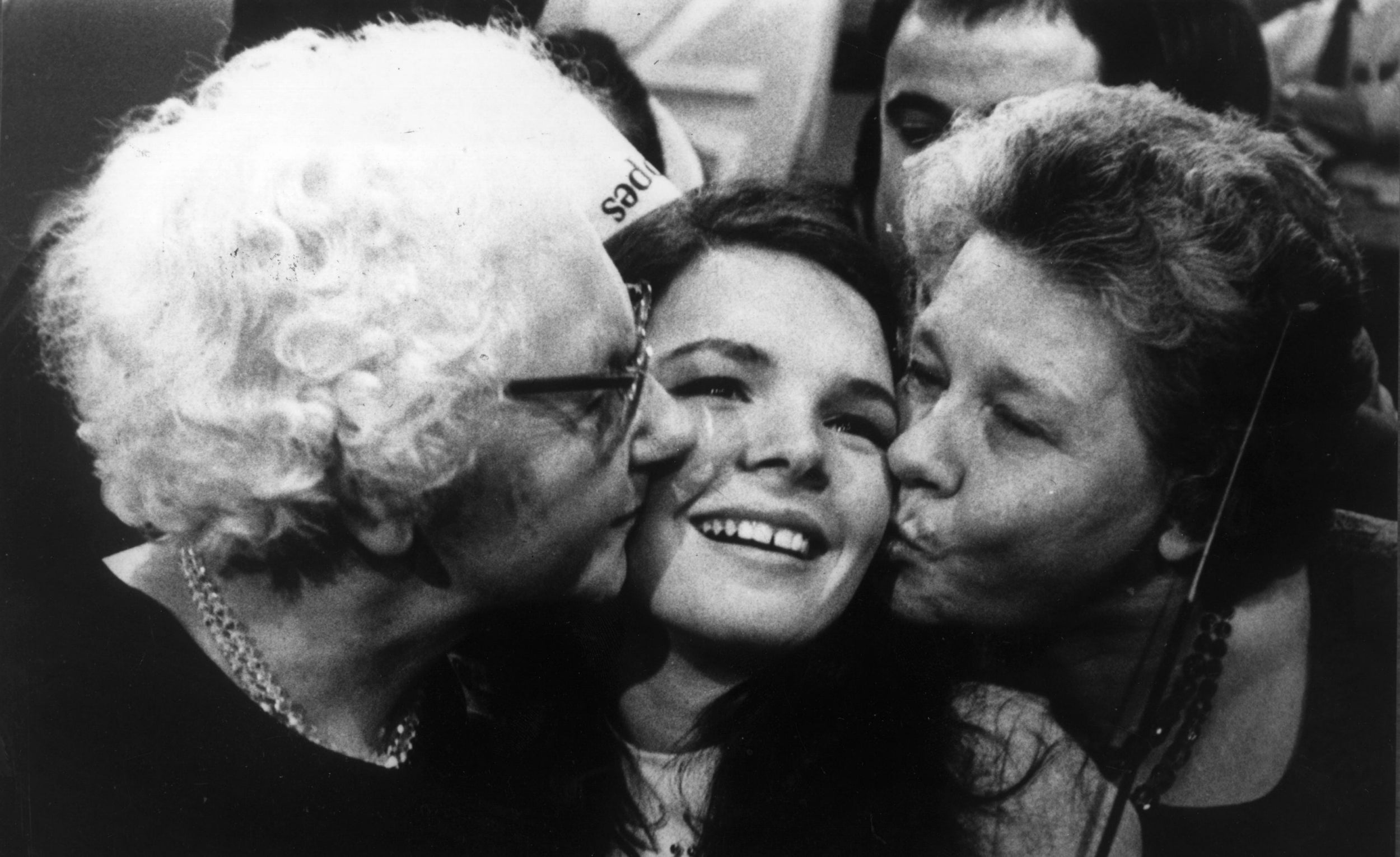
29. “Tu te reconnaîtras” – Anne-Marie David (Luxembourg, 1973)
Another ballad with strong orchestration and one of the best choruses from the Seventies.
28. “My Number One” – Helena Paparizou (Greece, 2005)
As was the vogue during the early Noughties, this lifts heavily from the home country’s traditional musical elements then adds a modern spin. Like a Greek J Lo, Paparizou never misses a beat, despite the demanding dance routine.
27. “Fly on the Wings of Love” – Olsen Brothers (Denmark, 2000)
This is a very well-written pop song, and very memorable, but these lads are a strange choice as the ones to sing it. It’s all a bit old-fashioned and folksy. Probably better known from the DJ Sammy version.
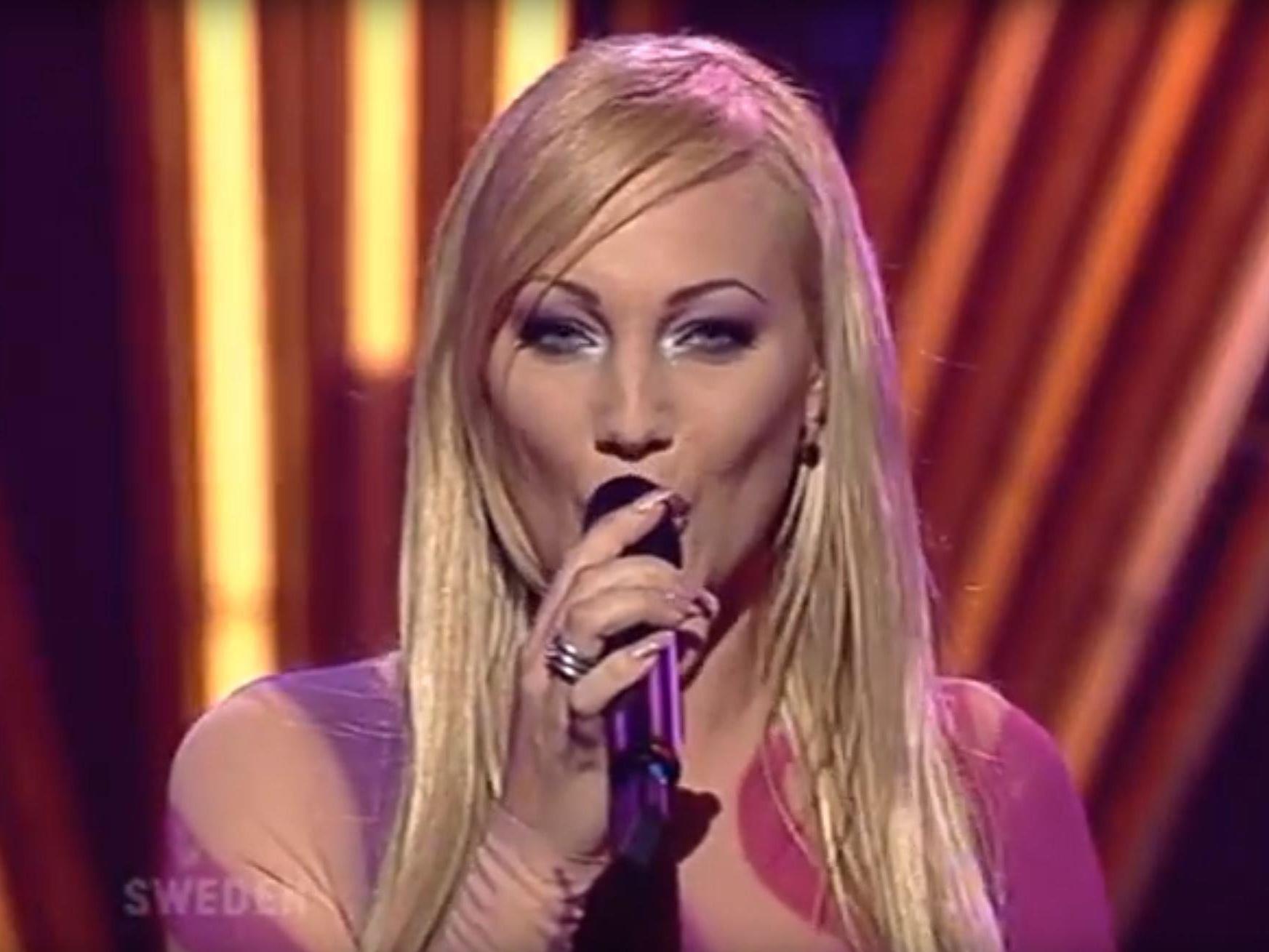
26. “Take Me to Your Heaven” – Charlotte Nilsson (Sweden, 1999)
On the surface this appears quite cheesy, but the more you stay with it, the harder it is to find fault. Nilsson is a great singer, and the song runs through frequent, impressive key changes. The saxophones and piano chords hark directly back to ABBA’s “Waterloo”.
25. “J’aime la Vie” – Sandra Kim (Belgium, 1986)
This song is so Eighties, it just threatened me with nuclear war at a Rubik’s Cube convention. Easily the decade’s most synth-y, techno-pop excursion. Don’t be fooled by Sandra’s suburban mum costume either, she was only 13 here, making her the youngest winner ever.
24. “Diggi-Loo Diggi-Ley” – Herreys (Sweden, 1984)
Yes the title is nonsense, and yes it’s cheesy, but really the song is just inescapably catchy. Plus, this trio of blonde Scandi brothers, with their white trousers and block coloured shirts, is a total look.
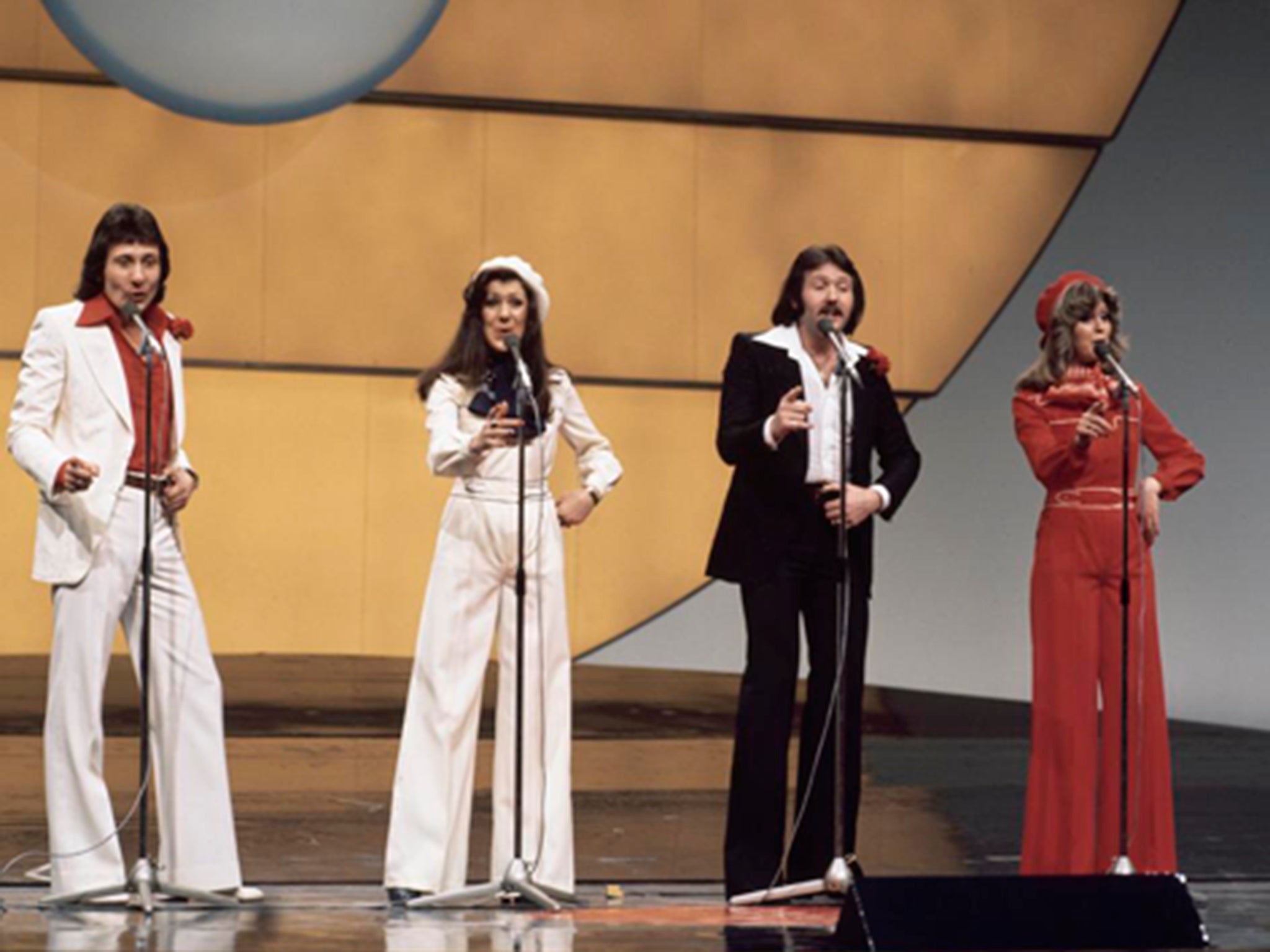
23. “Save Your Kisses for Me” – Brotherhood of Man (United Kingdom, 1976)
A little dated, but “Save Your Kisses for Me” cannot be denied as a Eurovision classic. The melody of the chorus is always a treat.
22. “Why Me?” – Linda Martin (Ireland, 1992)
A soft-rock power ballad written by two-time winner Johnny Logan is performed by Eurovision veteran Linda Martin. If anyone doubts her commitment to this competition, watch the blazing row she started during Ireland’s entry process on The Late Late Show in 2014. Douze points.
21. “Si la vie est cadeau” – Corinne Hermès (Luxembourg, 1983)
Why are all these French language ballads so damn good? This is another great one, and a big shout out to Hermès’ Dynasty-style hair and shoulder pads.
20. “What’s Another Year” – Johnny Logan (Ireland, 1980)
The first win for the King of Eurovision, who looked like one of The Osmonds as he stole hearts with this lament of heartbreak.
19. “Everyway That I Can” – Sertab Erener (Turkey, 2003)
Here’s some more of those eastern musical elements being incorporated into an absolute dance banger. Belly dancing and some unexpected rapping are thrown in for good measure.

18. “1944” – Jamala (Ukraine, 2016)
Arguably the most political of the winning songs, “1944” deals with Soviet deportation of Crimean Tatars against the backdrop of renewed repression. Heavy stuff, but as Jamala’s vocals cry out over a powerful fusion of trip-hop and traditional folk instrumentation, it works perfectly.
17. “Diva” – Dana International (Israel, 1998)
As the first transgender woman to compete in the contest, Dana caused a bit of a stir among Israeli conservatives but was roundly embraced by Eurovision audiences. The song itself sounds like it was made for gay clubbing with its cries of adoration for iconic women like Cleopatra, Aphrodite, and Victoria (you have to assume she means Posh Spice).
16. “Puppet on a String” – Sandie Shaw (United Kingdom, 1967)
The first win for the UK was one of the biggest margins in Eurovision history, though Shaw herself called the ditty “sexist drivel”, and hated it “from the very first oompah to the final bang”. It’s cheesy but undeniably catchy, and in the chronological order of winners, it jumps out as the moment the competition ditched easy listening for contemporary pop.
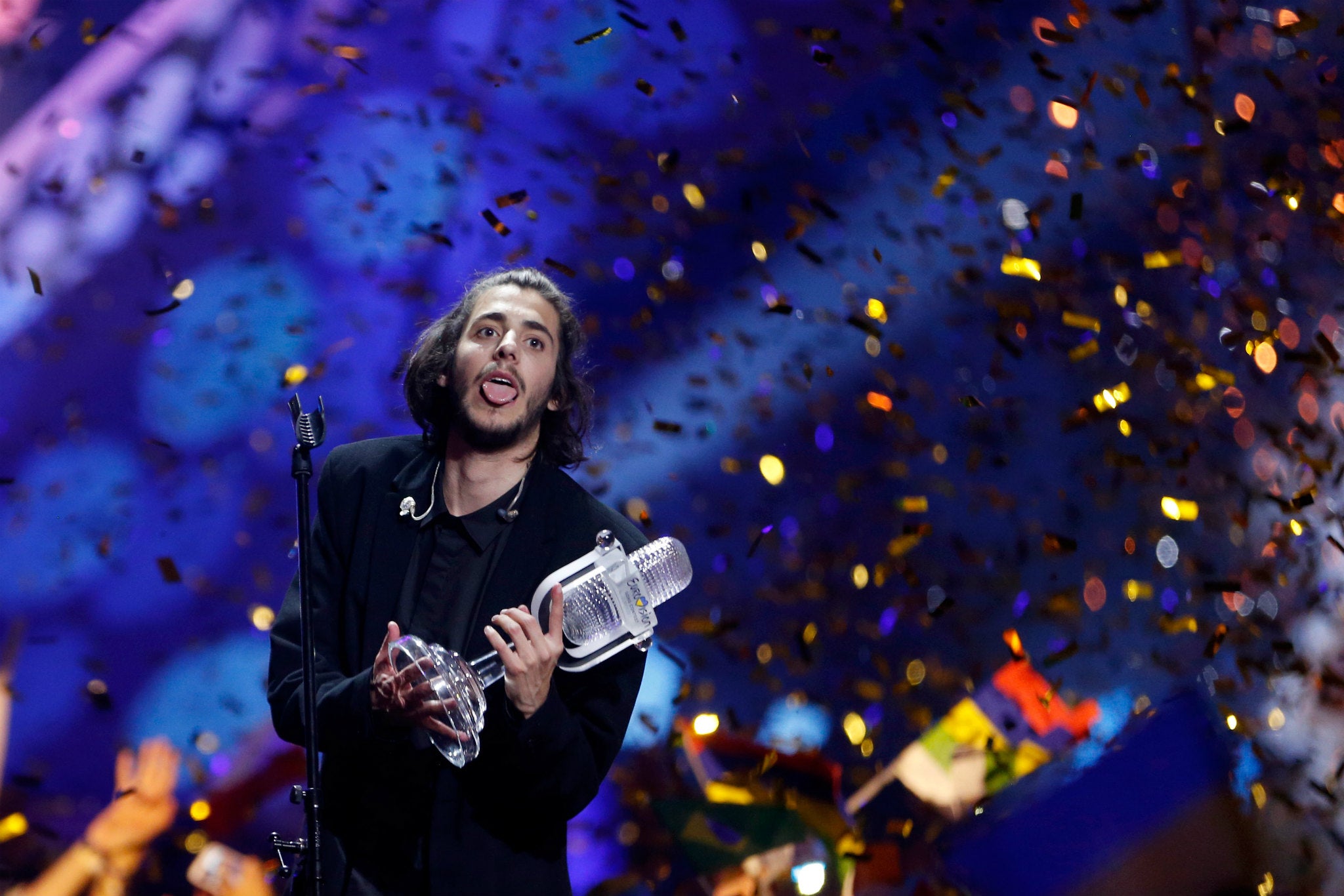
15. “Amar pelos dois” – Salvador Sobral (Portugal, 2017)
Once a decade or so, we see the surprise triumph of a gentle, timeless ballad, and this was the most recent example. Stripped-back, modest and beautifully melodic, “Amar pelos dois” swept into the competition like a breath of fresh air.
14. “In Your Eyes” – Niamh Kavanagh (Ireland, 1993)
Regarded as one of the best singers to grace the competition, Kavanagh soars through this challenging power ballad. It’s one of those “of the moment” songs that could easily have been a hit for Whitney or Mariah during this period. Trivia fans might like to know that the demo was recorded by a young, then-unknown Idina Menzel.
13. “Rock ‘n’ Roll Kids” – Paul Harrington and Charlie McGettigan (Ireland, 1994)
Two middle-aged guys on piano and guitar singing a wistful ballad about their lost youth isn’t your typical Eurovision hit. Indeed, there is a long-held belief that Ireland chose this entry to ensure they wouldn’t win – so as to avoid the cost of hosting for a third year running. It didn’t work.
12. “Only Teardrops” – Emmelie de Forest (Denmark, 2013)
A great pop song with consistently strong melodies throughout. The flute motif is probably the best use of traditional folk elements now heavily employed by many countries. So what if it’s a bit Ellie Goulding?
11. “Boom Bang-a-Bang” – Lulu (United Kingdom, 1969)
Easily the best of the 1969 quartet of winners, Lulu gives this tongue-in-cheek number the playful performance which the music and lyrics deserve, looking every inch the Swinging London girl. The “boom bang-a-bang” refrain is enjoyable enough, but the swooping line “It’s such a lovely feeling” will have you swaying along blissfully.
Click through the gallery below to reveal The Independent's top 10 Eurovision winners
The 2019 Eurovision Song Contest will air live from Tel Aviv, Israel on BBC One on Saturday 18 May from 8pm.Eurovision Song Contest, Europe, Abba, Celine Dion, Lulu