The EU remains heavily reliant on Russian liquefied natural gas (LNG), analysis has shown, with no signs that imports are set to slow down in 2026.
EU purchases from a single oil project in northwest Siberia, a strategically important development known as the Yamal project, netted €7.2 billion ($8.4 billion) of revenue for the Kremlin in 2025 alone.
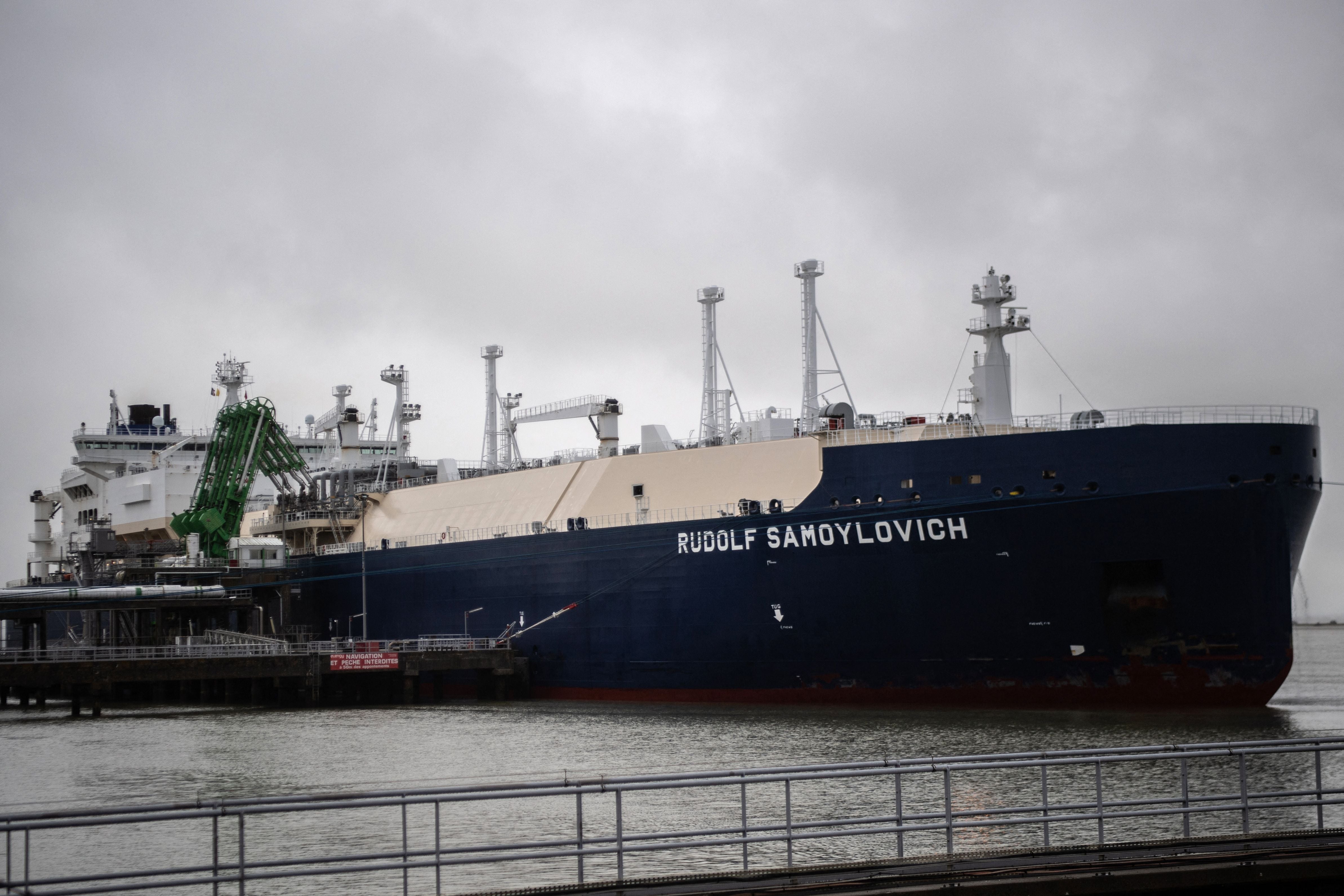
Around 15 million of the 19.7 million tons (76.1 per cent) of LNG exported from Yamal was shipped to the EU, according to analysis of data published by trading intelligence website Kpler, carried out by environmental NGO Urgewald.
Sebastian Rötters, a sanctions campaigner at Urgewald, says the reality within the data shows that European countries are “not just customers; we are the essential infrastructure keeping this flagship project alive”.
Just last month, the EU committed to a total ban on importing Russian LNG by 2027, in an attempt to strip reliance on Russian resources and damage its oil industry, the lifeblood of its wartime economy as it continues waging a drawn out war of attrition in Ukraine, despite peace efforts.
“Europe has already cut its dependence drastically. Now, we’re turning off the tap for good,” declared the EU’s top diplomat Kaja Kallas. “Russia will no longer be able to use energy as a weapon against us.”
But Mr Rötters said: “Every cargo that offloads at an EU terminal is a direct deposit into a war chest that fuels the slaughter in Ukraine. We must stop providing the oxygen for Russia’s energy profits and shut the Yamal loophole now.”
He added that EU ports “continue serving as the logistics lung for Russia’s larges LNG terminal”, warning that in the “current geopolitical situation, we cannot afford another year of complicity”.
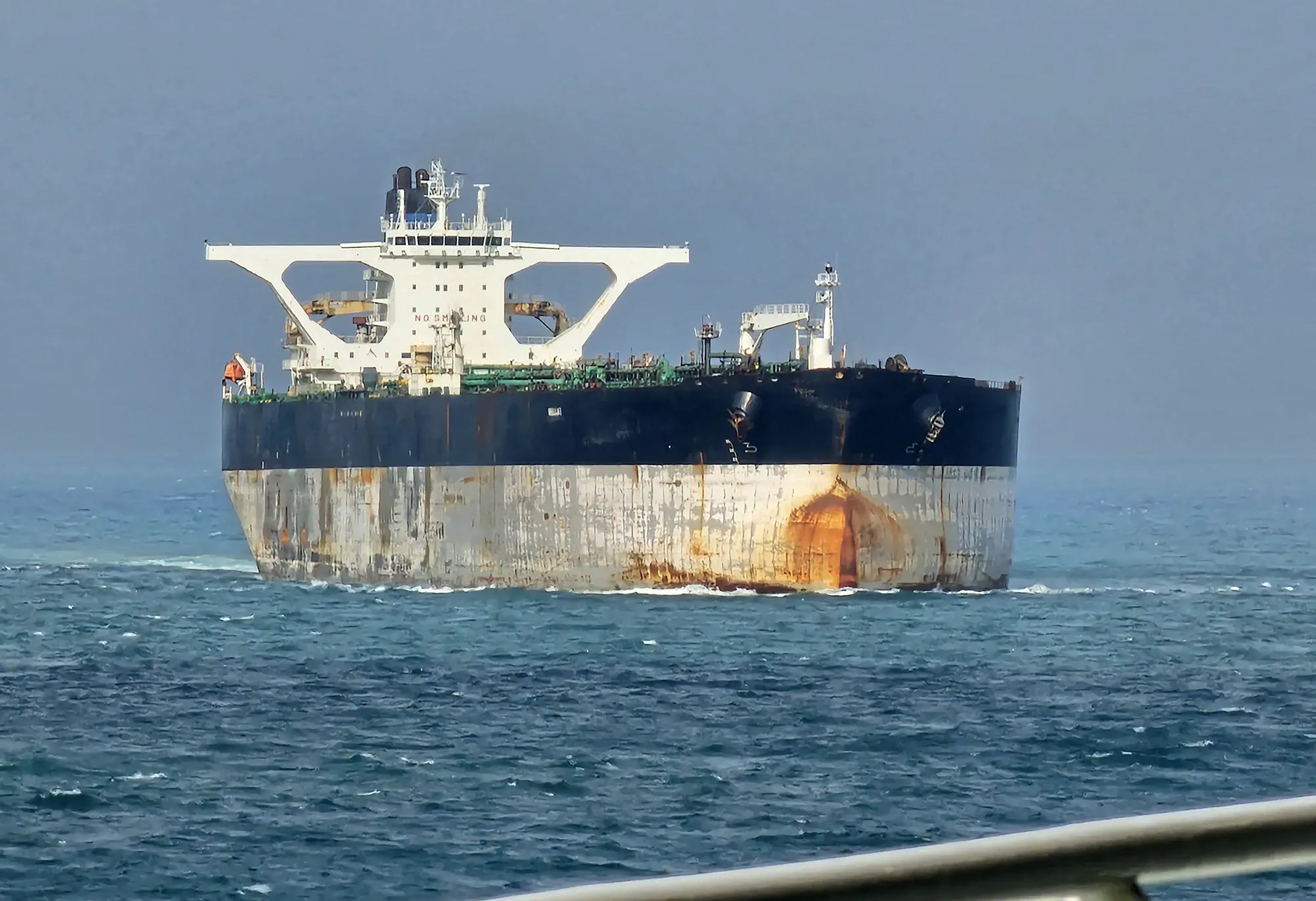
The data comes as the US continues pushing Europe, China and India to reduce its reliance on Russian oil imports, as it looks to stifle its wartime economy with the ultimate goal of pushing Moscow to end to the war in Ukraine.
But the EU’s share of shipments from the Yamal facility actually increased to 76.1 per cent in 2025, up from 75.4 per cent the previous year.
France was by far the largest importer of Russian LNG, bringing in a total of 87 ships delivering 6.3 million tonnes in 2025 to the ports of Dunkirk and Montoir. This accounted for 41.7 per cent of all imports from Yamal to the EU.
Spain, meanwhile, has seen the largest reduction in imports of Yamal LNG, falling from 58 tankers in 2024 to 38 tankers in 2025.
Although the UK banned direct imports of Russian LNG from 1 January 2023, a British company is one of the two which the analysis states is forming the backbone for the import of LNG into Europe. Seapeak, which transported 37.3 per cent of all Yamal LNG into Europe, according to Kpler data.
Yamal is Russia’s flagship LNG gas plant, located in Sabetta in the northeast of the Yamal Peninsula. Founded in 2005, it brings and in 2024 made up roughly 60 per cent of all LNG produced in Russia
Mr Rötters also called on Europe to ensue that a new generation of Arc7 ice-class LNG tankers, built by Russian shipbuilding company the Zvezda Shipbuilding Complex, are not permitted to “fall into the wrong hands”.
He said: “We must act now to assert our influence. The EU and the UK must ensure that the Arc7 fleet does not fall into the wrong hands at the end of the year and then help to keep Yamal alive.”
Ukraine-Russia war latest: Trump approves major Russia sanctions bill
U.S. vows to control Venezuela’s oil as UK helps Trump seize tankers: Latest news
Britain is now helping Trump play Big Man in the Atlantic with oil tanker raid
Oil blockades ‘outright piracy’: All we know about blacklisted tanker seized by US
Putin branded ‘Anti-Christ’ by church leaders after claiming war is ‘holy mission’
Europe should prepare for world without US nuclear deterrence, ex Nato chief warns