2011, we are being warned, will be a year of austerity. Governments – at least in the west – are desperate to save money and so are making cuts wherever they can. Grandiose plans to invest in renewable energy are likely to be put on hold, at least for the time being. Yet governments are still mindful of the need to achieve their CO2 emissions reduction targets, as well as being under pressure from rising oil prices, security of the supply of fossil fuels and the threat of global terrorism. Opting for energy-saving measures is therefore a neat alternative for impoverished governments, as well as companies and consumers. After all, energy efficiency is all about saving money as well as being more sustainable.
Energy efficiency has already attracted a substantial portion of the green stimulus money which is part of the global stimulus package. HSBC estimated last year that the green stimulus package amounted to $521bn (£330bn) to be spent globally over five years. By October 2010, $194bn of this had been deployed (over half of it by China) – the majority going on energy-efficiency projects, including upgrading national grids, building efficiency, insulation and lighting.
In 2011, green stimulus expenditure is estimated by HSBC to be $140-160bn, with energy efficiency again taking the major share. It is worth pointing out that stimulus funds were ring-fenced so that, although government priorities have shifted from spending their way out of the crisis to cutting their way out of it, austerity measures will not have an impact on stimulus spending.
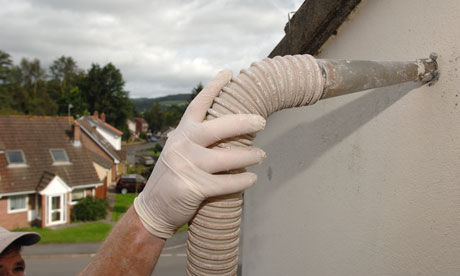
Within the broad category of energy efficiency, there many sub-categories offering substantial growth opportunities. The first is the "smart grid" – the upgrading of old electricity grids to make them more efficient and flexible in adapting to renewable supplies and differing demands. Opportunities lie in companies, from those who make the hardware to upgrade the grid (for example, American Superconductor which makes high-temperature superconductor cables capable of transporting electricity far more efficiently than pylons through a single cable laid underground) to those that make the software used by the utilities (such as the German company PSI) and those who make "smart" meters to be installed in the home (the US company Itron is one such player; Wasion in China being another). In buildings efficiency, we like the US company Johnson Controls, which was the company responsible for re-fitting the Empire State Building to bring it up to 21st century standards of buildings efficiency. Cree is our favourite play on energy efficient lighting. Finally, the UK's Energy, having had a torrid couple of years, may see better times, as people recognise the huge role that improved insulation can play in reducing energy bills.
Clare Brook is fund manager for WHEB Asset Management
This content is brought to you by Guardian Professional. Become a GSB member to get more stories like this direct to your inbox