Nearly eight months after President Donald Trump promised a rapid reopening of Venezuela's oil sector to American companies, the administration is facing mounting criticism as no new U.S. oil production contracts have been finalized, raising fresh questions about whether Washington's ambitious energy strategy is losing momentum.
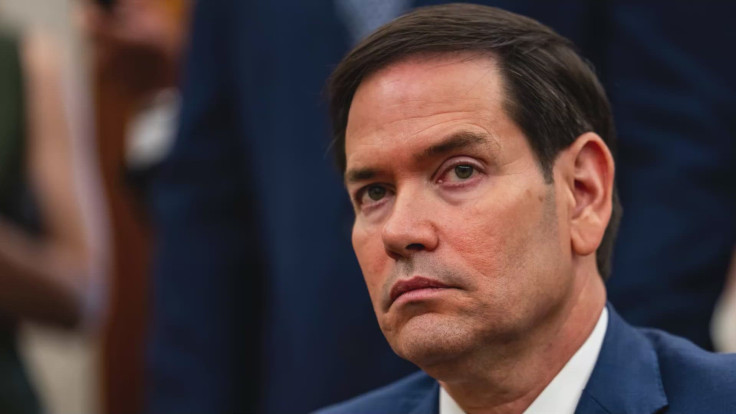
The controversy places renewed attention on Secretary of State Marco Rubio, who has become one of the administration's leading architects of post-Maduro Venezuela policy. Although Rubio has publicly championed using Venezuela's vast oil reserves to strengthen U.S. energy security and reduce dependence on rival suppliers, responsibility for negotiating commercial agreements has remained with the Department of Energy, led by Secretary Chris Wright.
According to an Axios report , frustration inside the White House, Congress and the oil industry has increasingly centered on the Energy Department, which critics say has moved far too slowly in approving new investment opportunities despite repeated promises that American firms would quickly return to Venezuela.
The delays come at a particularly sensitive time for global energy markets. Oil prices have climbed in recent weeks as the war involving Iran has tightened global supplies, increasing the importance of bringing additional crude to market. Venezuela, which holds the world's largest proven oil reserves, has long been viewed by the Trump administration as a key piece of that strategy.
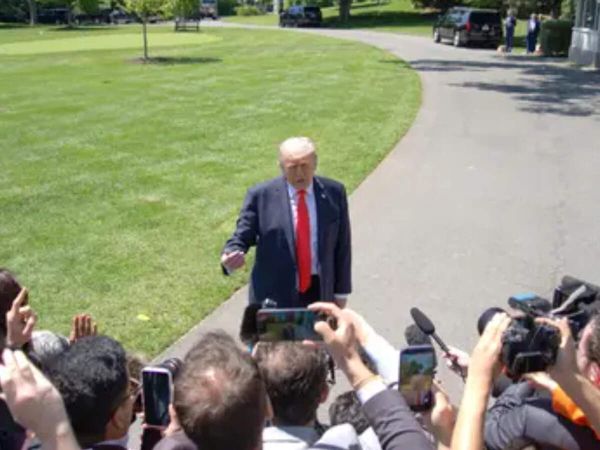
Trump announced shortly after Nicolás Maduro's removal from power on Jan. 3 that American companies would "rapidly rebuild" Venezuela's devastated petroleum industry. Speaking with oil executives days later, the president promised Washington would oversee the process directly, minimizing political uncertainty for investors.
Instead, negotiations have become bogged down by disagreements inside the administration and competing visions within the energy industry.
Major oil companies such as ExxonMobil and ConocoPhillips have favored a cautious approach, citing legal uncertainty, damaged infrastructure and unresolved ownership disputes before committing billions of dollars to new projects. Smaller independent producers, commonly known as wildcatters, have pushed for immediate access, arguing they are willing to accept greater risk in exchange for faster development opportunities.
Those divisions have spilled into Washington.
Axios reported that officials aligned with the White House's National Energy Dominance Council backed the independent producers, while Energy Department officials preferred a more deliberate process focused on updating Venezuela's hydrocarbons law and working through PDVSA, the country's state-owned oil company.
Former Trump adviser Mauricio Claver-Carone became one of the department's sharpest critics before stepping away from his unofficial role overseeing Venezuela policy last week. He argued that the administration should have immediately opened Venezuela to all qualified American producers following Maduro's removal instead of imposing what he described as burdensome requirements that favored larger multinational firms.
For weeks, according to Axios, White House officials have fielded complaints from energy executives and requests that Rubio assume responsibility for Venezuela's energy portfolio from Wright. Rubio has so far declined to intervene, reportedly arguing that the Energy Department possesses the technical expertise while also resisting efforts to have the federal government choose which companies receive contracts.
The Energy Department rejects accusations that it has slowed investment.
Department spokesperson Ben Dieterich told Axios the agency continues working with Venezuelan officials and American companies "of all sizes" to expand access while strengthening the country's legal framework for foreign investment. White House spokeswoman Taylor Rogers also defended the administration's efforts, saying the Energy Department is facilitating investments designed to restore Venezuela's energy infrastructure.
Some independent producers have also urged patience.
Aspect Energy founder Alex Cranberg said officials are effectively "drinking from a fire hose" as they evaluate proposals while attempting to prevent fraudulent companies from securing lucrative contracts. Armstrong Oil & Gas founder Bill Armstrong similarly said Energy Department officials and PDVSA continue working behind the scenes to reposition Venezuela's energy industry.
The timing has become more urgent following the June 28 earthquakes that damaged infrastructure across Venezuela, adding new economic pressures to an already fragile recovery. Meanwhile, U.S. officials are reportedly encouraging acting President Delcy Rodríguez to approve additional agreements with independent American producers before the end of August.
Today Venezuela produces roughly 1.2 million barrels of oil per day, only slightly above production levels recorded before the Trump administration intensified pressure on Maduro earlier this year. Industry executives argue output could increase significantly if pending contracts move forward, but until agreements are signed, one of the administration's signature foreign policy and energy initiatives remains largely unfinished.