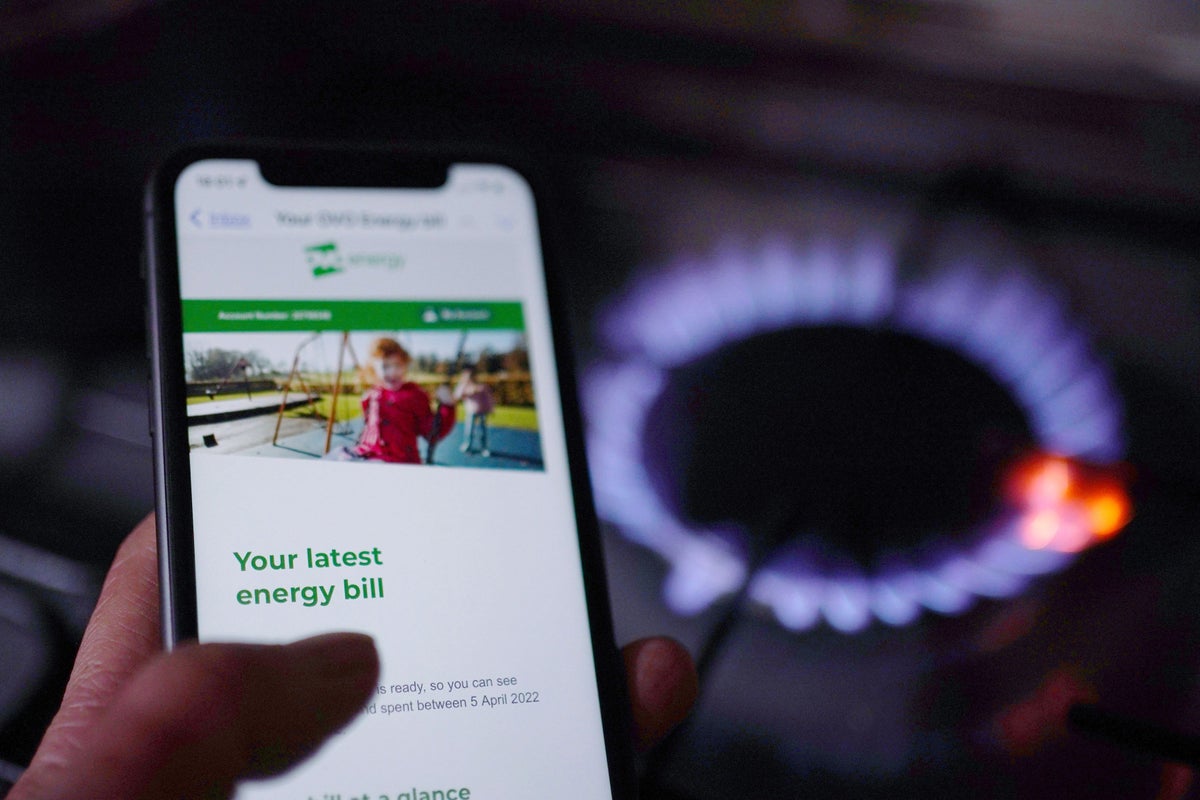
Households are facing a significant increase in their energy bills from July, with predictions indicating the price cap will rise by £209 annually, partly attributed to the fallout from the Iran war.
Experts have also warned of an impending "payment shock" as autumn approaches and demand for energy surges.
Energy consultancy Cornwall Insight now forecasts Ofgem’s cap for a typical dual fuel household will reach £1,850 between July and September.
This represents a 13 per cent jump from April’s £1,641 annual cap, a slightly higher increase than the 12 per cent predicted last month.
However, fears are mounting over the financial strain on households when the cap is reviewed again in October, coinciding with a rise in energy consumption as temperatures drop.
This has led to growing calls for the Government to outline specific actions to support the most vulnerable.
It said: “While households will be understandably frustrated by a rise during the summer, the impact will be reduced as household energy usage typical falls during the hotter months.
“The bigger concern is October, when demand picks up again and current forecasts point to a similar cap level as July.
“While the October cap will depend on how the Middle East conflict unfolds, even if the conflict were to end tomorrow, the physical damage to infrastructure, and lingering effect of disrupted supply, means a fall back to April’s price cap levels in the autumn looks unlikely.”
Ofgem adjusts its price cap every three months and will announce the next level for July to September on May 27.
Wholesale markets have been highly volatile since the start of the Middle East conflict at the end of February, with Cornwall Insight at one stage predicting annual household energy bills could surge by as much as £332 to £1,973 from July.
Energy costs have been sent rocketing higher by Iran’s move to block the crucial Strait of Hormuz shipping route, through which a fifth of the world’s oil and gas is carried.
Craig Lowrey, principal consultant at Cornwall Insight, said: “Over the past few months, we’ve watched our forecasts shift from showing virtually no quarter-on-quarter increase to a 13% rise in current bills – with this change due to the impacts of the Middle East conflict.”
Have you fallen behind on paying your energy bills?
— Ofgem (@ofgem) May 4, 2026
🟠 Free debt advice here https://t.co/iTte4h4blu
🟠 Check your eligibility for extra support here https://t.co/N9LfSqsish
🟠 Find out about grants available to pay off debts here https://t.co/9loLHz43GC pic.twitter.com/D0avd4aUv1
He said if October’s cap remains similar to the level for July, “that is when the Government will need to think seriously about targeted support for the most vulnerable”.
Simon Francis, co-ordinator of the End Fuel Poverty Coalition, said: “If bills remain high when heating season begins, millions of households already in energy debt or struggling to keep their homes warm will face an extremely difficult winter.
“Households need reassurance and support, not a summer of suspense.
“That means the Government must act before winter to spell out what support will be available.”
Russians realise they aren’t safe after Ukrainian drone attacks on Moscow
Iran-US war live: Tehran rejects Trump nuclear demand in latest peace proposal
Irish leaders condemn Israel’s detention of president’s sister
Girlfriend and religious mother in High Court battle over man’s final resting place
Boss of trendy coffee chain says he makes just 18p profit on £4.10 flat white
More children are living in poverty despite both parents working, study shows