.jpeg?width=1200&auto=webp&trim=0%2C0%2C0%2C0)
For many, Rocky Mountain skiing has become associated with mega-resorts, long lift lines and the scramble for Instagram kudos.
But there is a quieter version of the Rockies out there.
Tucked into less-traveled corners are ski destinations that showcase U.S. skiing at its most enthralling, but without the stress. We are here to reveal some of the best examples of those lesser-known ski spots.
One is in Utah and boasts the biggest ski area in the U.S. by acreage, while Wyoming is home to a resort that gets an amazing 500 inches of snow a year and has developed something of a cult following.
Our round-up also includes two destinations in Montana where there’s always room to roam and an often-bypassed Colorado resort that’s far less frenetic than its big-name rival – but no less thrilling to explore. We also steer you to Idaho, where Pacific storms shed their moisture over the dry desert to create some of the finest flakes on the continent.
Read on for the Rockies resorts that are epic in scale, but feel refreshingly local.
1. Powder Mountain, Utah
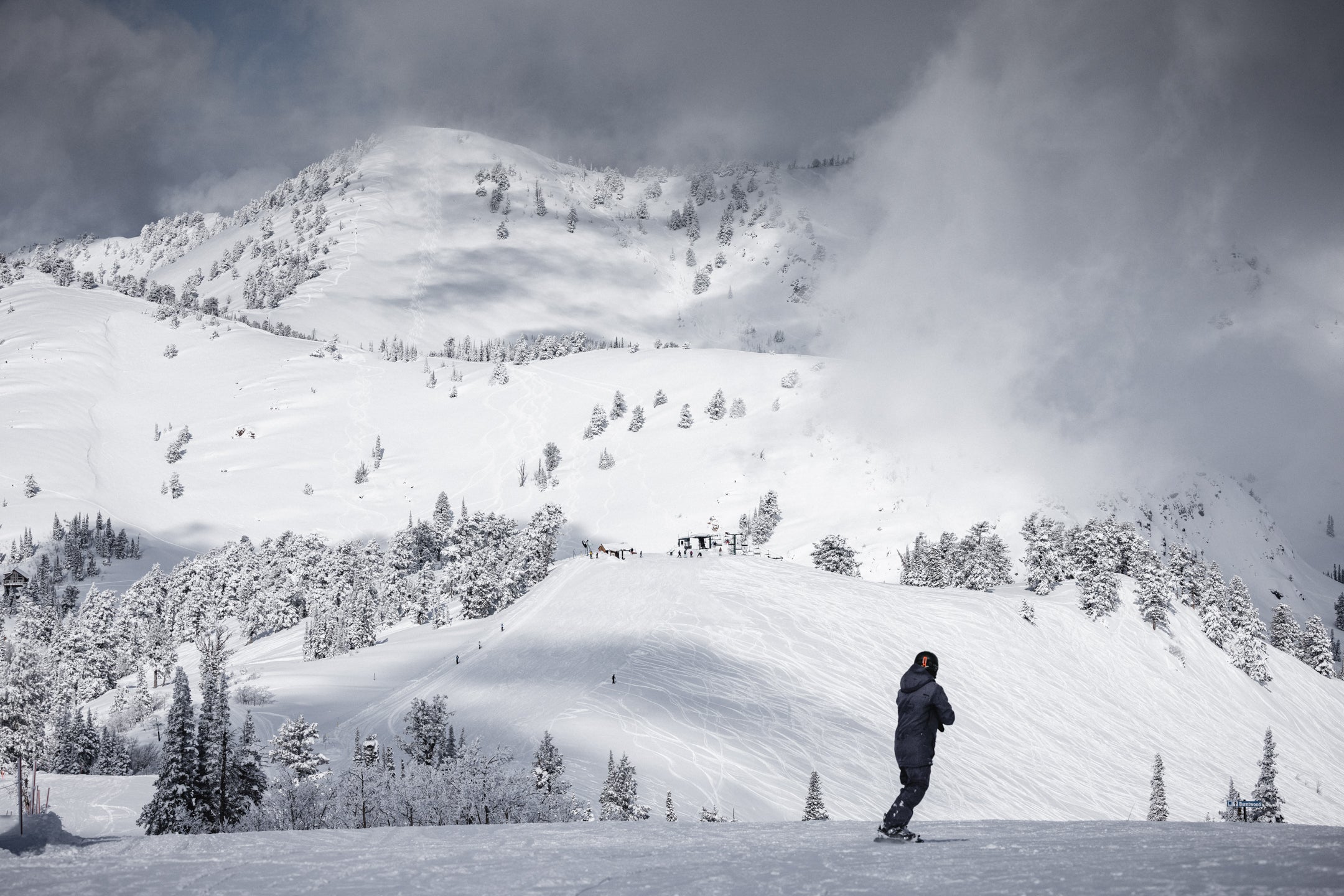
The vibe: Low-key, lofty and large, with space on the trails, high-elevation lifts and the biggest ski area in the U.S. by acreage. The resort, which sits high above the city of Ogden, is majority owned by Netflix co-founder Reed Hastings who’s keen to preserve the resort’s relaxed, skier-oriented focus.
The skiing: Powder Mountain stands out for its size, boasting over 8,400 acres of skiable terrain and 150 named runs — 25 percent of which are beginner and 45 percent for intermediates — that would stretch for around 120 miles if laid end to end. Then there’s the generous helping of backcountry skiing.
Visitors can also be confident about white stuff volumes — Powder Mountain is one of America’s snowiest resorts, with around 350 inches every year and lifts that take skiers up to around 9,400 feet above sea level.
The après: Calm, not chaos, prevails, with skiers and snowboarders exchanging tales of their day’s adventures in casual mountain cafes and bars. Timberline Lodge at the base area is an excellent all-around spot for comfort food and an amiable atmosphere.
How to get there: Fly into Salt Lake City International Airport and drive. Journey time is around 75 to 90 minutes.
Great place to stay: WorldMark Wolf Creek (rooms from $200) is a condo-style resort with an outdoor pool that’s roughly 15 minutes by car from the main lifts.
Read more: Five of the best East Coast ski resorts
2. Grand Targhee, Wyoming
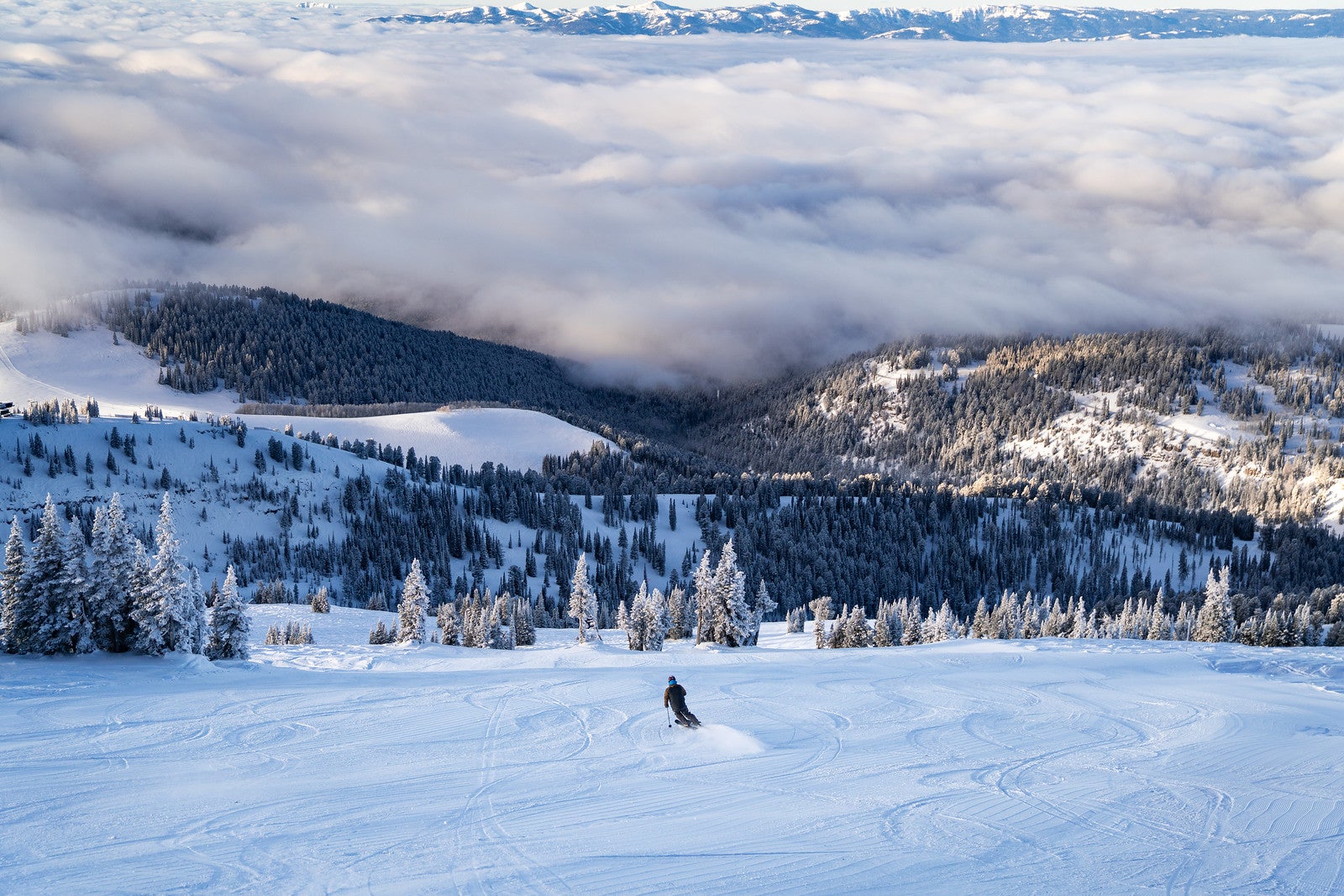
The vibe: Mellow, no-frills and friendly. It’s uncrowded even after huge snowfalls, which are frequent. Nearby Jackson Hole grabs the limelight, while Grand Targhee Resort, tucked into the western side of the Tetons, is quite happy with its smaller following.
The skiing: There are more than 100 named trails — around 10 percent beginner and 50 percent intermediate — stretching for roughly 70 miles, with lifts rising to just under 10,000 feet.
Add an impressive average annual snowfall of around 500 inches and you have one of the Rockies’ most enticing ski landscapes.
The après: Rowdy is out, relaxed is in. Try The Trap Bar for hearty food and craft beers.
How to get there: Fly to Jackson Hole Airport and drive. Journey time is typically around 75 to 90 minutes, depending on conditions.
Great place to stay: Teton Teepee Lodge (rooms from around $200) is a classic mountain lodge with all-ensuite rooms, located about five miles from Grand Targhee’s base.
Read more: The European ski resort that offers it all – from guaranteed snow to Michelin-starred food
3. Whitefish Mountain Resort, Montana
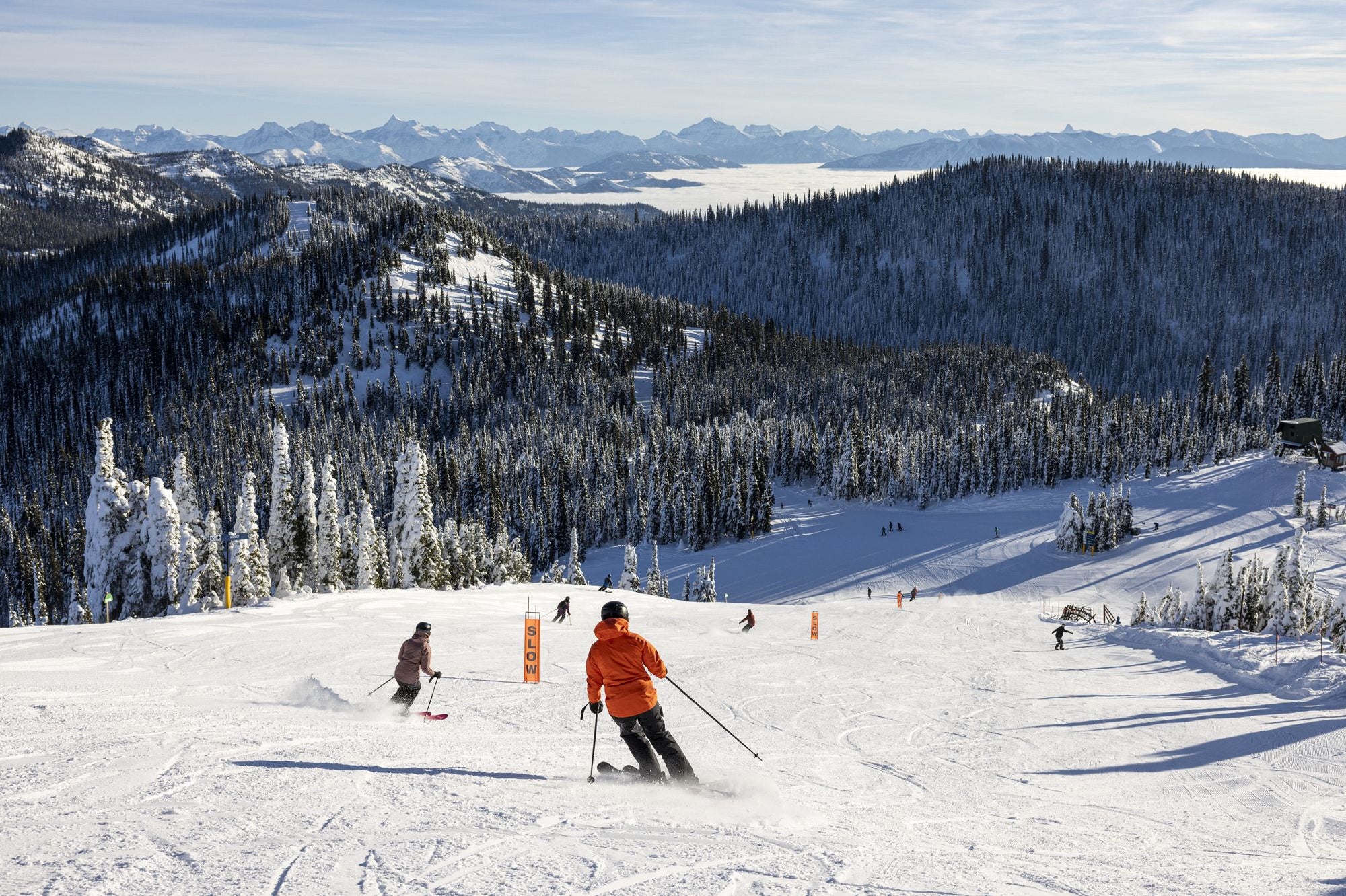
The vibe: Scenic, but sporty. The remote northwest Montana location helps to keep the slopes quiet and the lift lines short — it's a resort that's largely overlooked — and skiers and snowboarders are kept extra happy by the high proportion of long, more challenging trails, and impressively varied terrain.
The skiing: Whitefish sits atop the 6,817ft high Big Mountain and offers over 100 named trails — split into beginner (12 percent), intermediate (38 percent) and expert (50 percent) — totaling around 80 miles.
The terrain is varied — there are powdery glades, steep bowls, freestyle parks and slopes for first-timers — and the snowfall record is solid. Whitefish gets around 300 inches of fresh powder a year.
The après: Social, but never showy. Head to slope-side Hellroaring Saloon for burgers and beers.
Getting there: Fly to Glacier Park International Airport, which is around 30 minutes away by car.
Great place to stay: The Lodge at Whitefish Lake (rooms from $220) has a full-service spa, two outdoor pools and is just 15 minutes by car from the lifts.
Read more: Dreaming of your next ski holiday? The best destinations in Canada to book now
4. Red Lodge Mountain, Montana
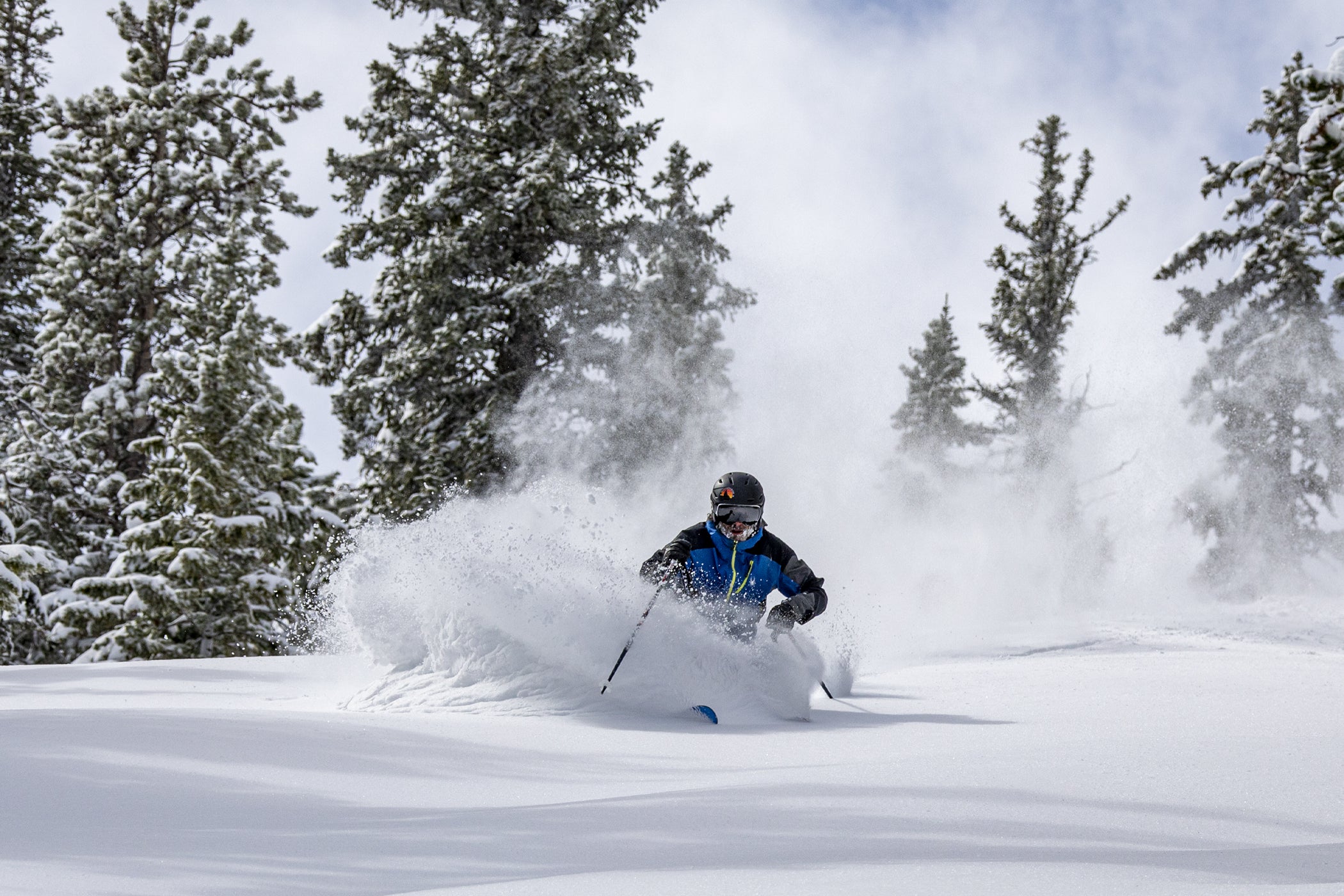
The vibe: Straightforward charm. Red Lodge Mountain, nestled within the Beartooth Mountains, is friendly but no-nonsense.
The skiing: There are 70 marked runs and the difficulty spread is nice and even, so this is a mountain for all. Around 19 percent of the runs are beginner, 25 percent intermediate, 36 percent advanced and 20 percent expert.
Red Lodge Mountain is snow-sure, too, with the trails lying between 7,800 feet and 9,460 feet in elevation and around 250 inches of snow arriving annually.
The après: Convivial. The go-to spot is Grizzly Peak Bar & Grill, located at the base area.
Getting there: Fly to Billings Logan International Airport, which is around 75 minutes away by car.
Great place to stay: The Pollard Hotel (rooms from $180), built in 1893, is full of character (you may overhear guests swapping yarns about ghostly sightings) and features well-appointed rooms.
Read more: The stunning ski destination where the Winter Olympics are taking place
5. Purgatory Resort, Colorado
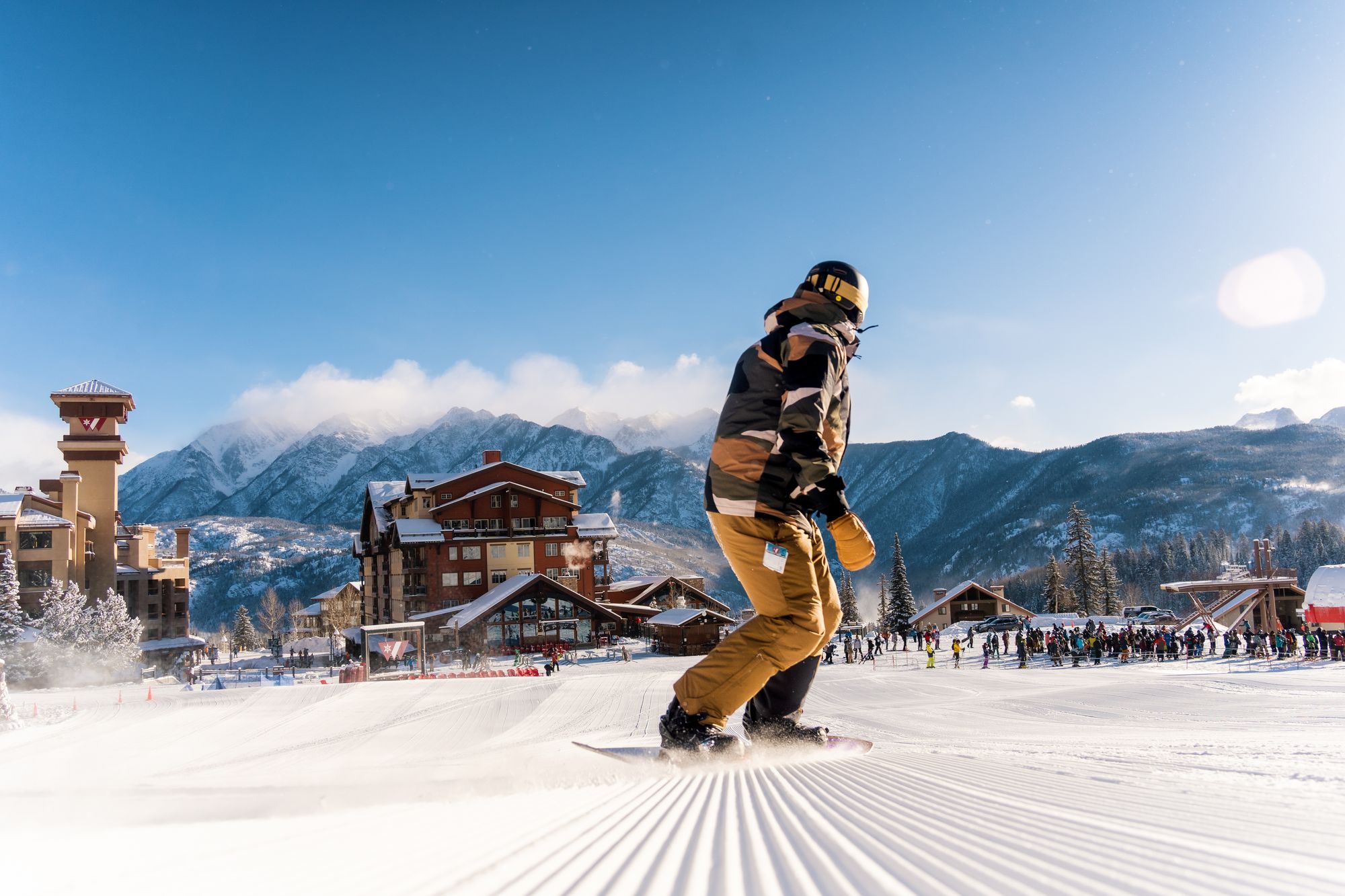
The vibe: Far from Colorado's busiest ski corridors, on the southern edge of the San Juan Mountains, Purgatory thankfully doesn't live up to its name: it's family-friendly, calm and welcoming, with a well-balanced ski experience.
The skiing: Even on busier weekends, skiers are nicely spread out here across 1,650 acres of terrain that encompasses everything from wide-open cruisers to steep tree skiing at altitudes between 8,793 feet and 10,822 feet.
There is a total of 105 named trails — 20 percent beginner, 45 percent intermediate and 35 percent advanced/expert — while the average annual snowfall is a healthy 260 inches.
The après: It tends to be lively at the start of après, but dissolves into relaxed dinners and early nights. The go-to spot? The Nugget Mountain Bar, an old miner’s cabin-style bar that is a short hop from the resort. Stop by for craft beers around the firepits.
Getting there: Fly into Durango–La Plata County Airport, 45 minutes away.
Great place to stay: Homewood Suites by Hilton, Durango (rooms from around $180) is a comfortable HQ with an indoor swimming pool just 20 minutes from Purgatory.
Read more: How to have a ‘grown-up’ ski season in your 40s
6. Sun Valley, Idaho
-for-quieter-rockies-feature.jpeg?trim=1%2C0%2C1%2C0)
The vibe: Classy, but never one to over-hype itself. Sun Valley, nestled amidst the spellbinding landscapes of Idaho’s Sawtooth and Pioneer Mountains, is one of America's original ski resorts — 2025-2026 is its 90th season — and confidently caters to every level of ability without breaking a sweat.
The skiing: The runs are split across two peaks: Dollar Mountain (6,638 feet) and Bald Mountain (9,150 feet). The former, with its gentle slopes and low-grade groomers, is the perfect playground for beginners, while steeper Bald Mountain is a magnet for more seasoned winter sports enthusiasts.
The number of runs between the two mountains sits at 121 and extends to 65 miles, with 20 percent beginner, 42 percent intermediate and 38 percent advanced/expert.
The après: Refined. Head to Warm Springs Lodge restaurant for hot buttered bourbons by the log fire.
Getting there: Fly into Friedman Memorial Airport, which is roughly 25 minutes away.
Where to stay: Sun Valley Lodge (rooms from $300) is the resort's flagship hotel, featuring elegant furnishings and a vast spa. It’s just five minutes by car from the lifts at Bald Mountain.
Read more: How to nail the perfect short ski break in Chamonix
7. Taos Ski Valley, New Mexico
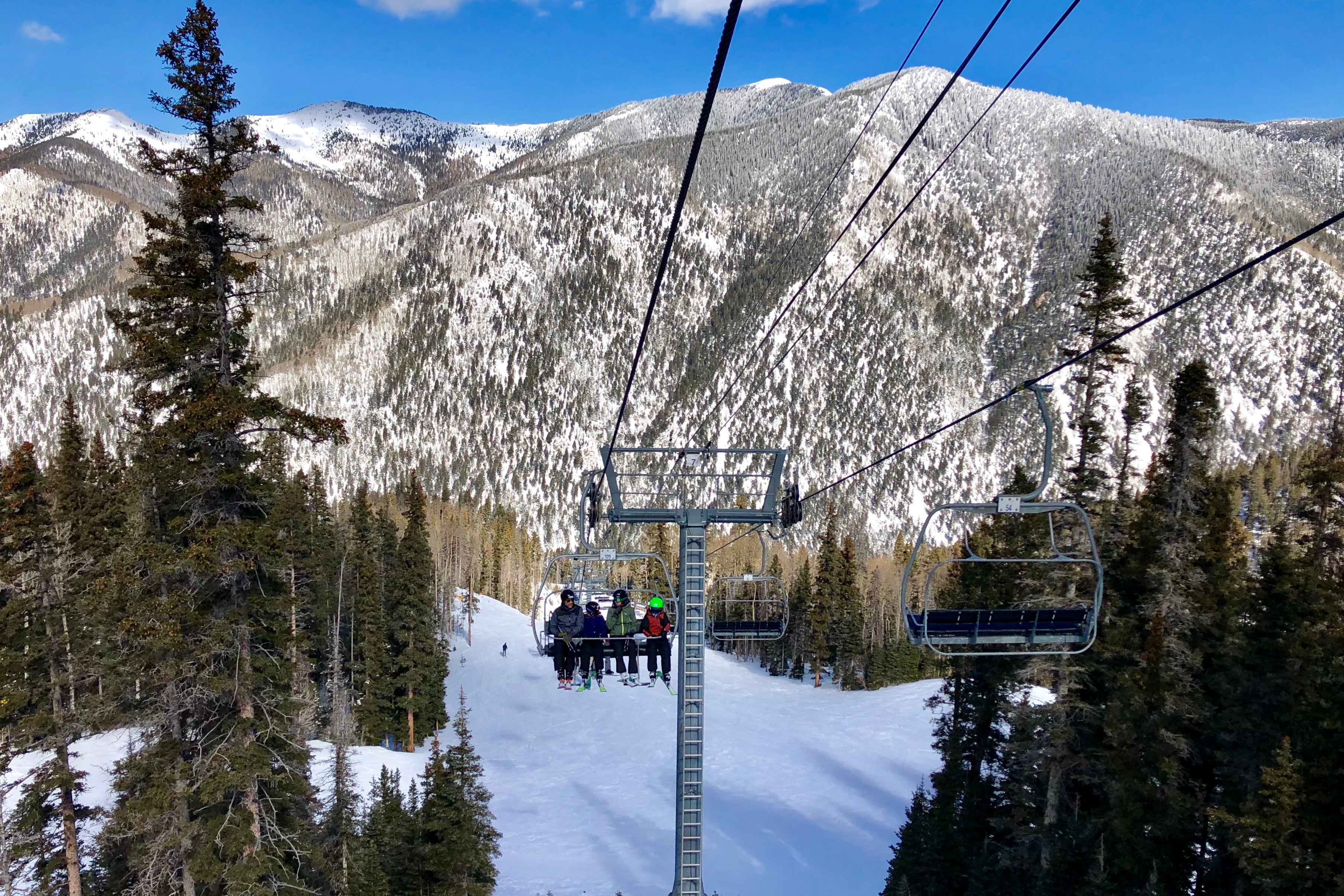
The vibe: Refreshingly uncommercial and a big draw for skiers and snowboarders with ability. Set high in the Sangre de Cristo mountains of northern New Mexico — and enjoying around 300 inches of snowfall a year — the steeper slopes and powder bowls here put technique to the test and delight purists.
The skiing: While 51 percent of the 110 named trails, which stretch to 69 miles, are skewed to advanced skiers, other abilities are far from forgotten. Around 24 percent of the runs are for beginners and 25 percent for intermediates, who can glide over beautiful, long cruisers.
For the ultimate view, head to the highest lift point, which is at a dizzying 12,481 feet above sea level on Kachina Peak.
The après: Authentic, and understated. The Bavarian Lodge & Restaurant is the classic post-slope meeting point where you can recharge with a big bowl of goulash.
Getting there: Fly into Santa Fe Regional Airport, or Albuquerque International Sunport. Drive time is around two hours from Santa Fe, and up to three hours from Albuquerque.
Great place to stay: Alpine Village Suites (rooms from $230) offers suites and mountain homes just steps from the ski slopes.
Read more: I skied Japan’s most and least westernised resorts – this is what I found
8. Brundage Mountain Resort, Idaho
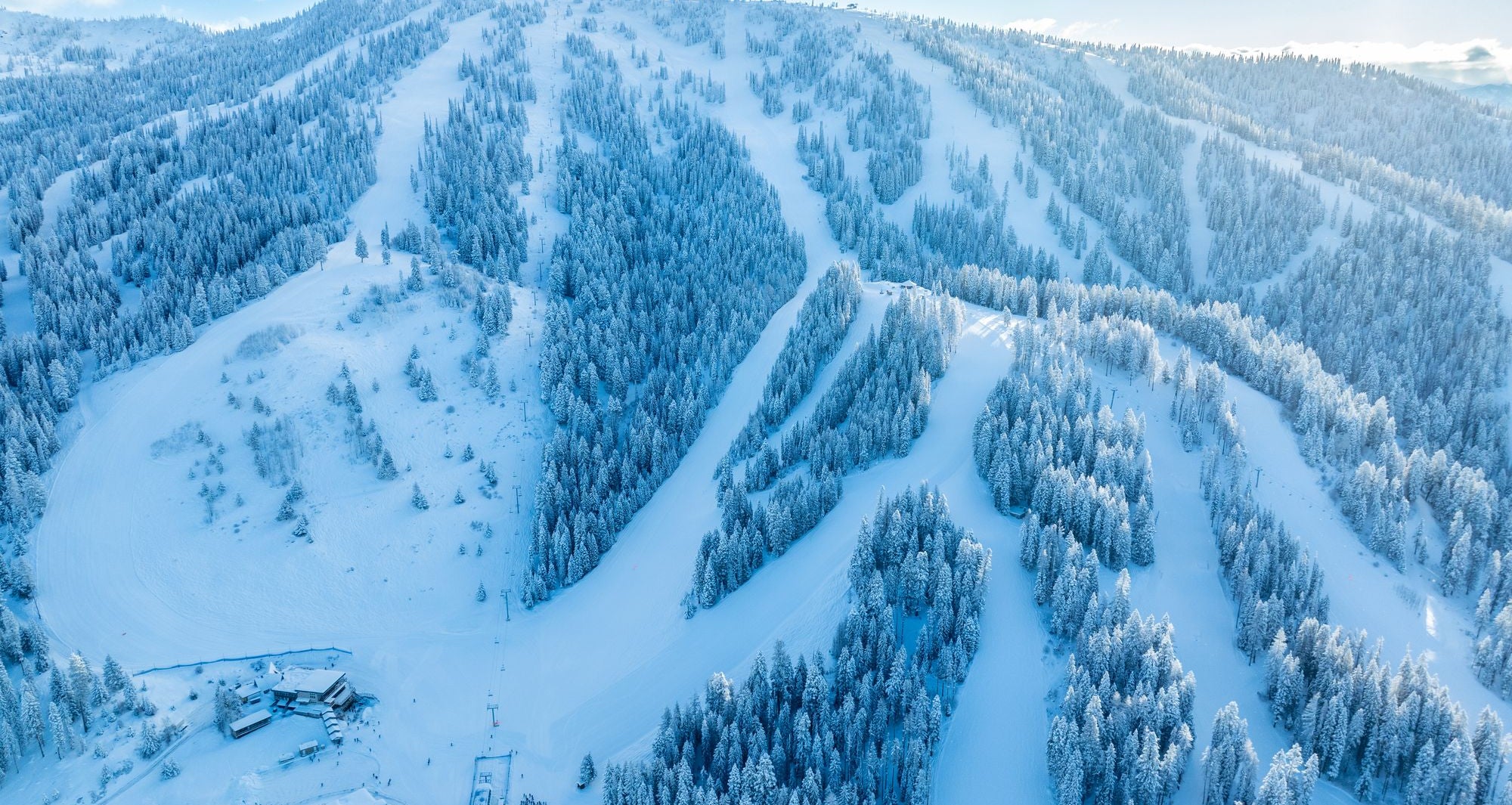
The vibe: Uncrowded and unpretentious. Set above the small mountain town of McCall in central Idaho, Brundage Mountain Resort quietly delivers a classy experience, attracting strong skiers craving room to roam, and families who enjoy the low-stress atmosphere.
The skiing: Storms that roll in from the Pacific dry out over high desert terrain and drop famously light, dry snow on the mountain — and in generous volumes. The average annual snowfall is around 320 inches and there are plenty of runs on which to relish it — 67 named trails that total around 50 miles, with a split of 20 percent beginner, 50 percent intermediate and 30 percent advanced.
Take it all in from the highest lift point, 7,640 feet up. From here, you can soak in the view of the slopes and gorgeous groomers.
The après: Friendly and relaxed, with Smoky’s Bar & Grill a popular post-ski stop. Afterwards, many head into McCall for dinner.
Getting there: Fly into Boise Airport, which is a scenic two-hour and 90-minute drive away.
Great place to stay: Hotel McCall (rooms from $160) features an indoor pool and is just 20 minutes by car from Brundage Mountain.
Read more: Five bucket-list train journeys that showcase America’s most breathtaking scenery
Six US airports that are so good you’ll enjoy your layover
Seven remote luxury hotels in America — where wilderness meets five-star comfort
12 state parks that are just as beautiful as national parks — and they’re free
Eight lesser-known Mexican beach towns to visit in 2026