President Donald Trump's decision to delay new tariffs on Chinese imports is good news. There's no guarantee he's about to strike a sensible agreement on trade with Beijing, but the suspension of hostilities is welcome.
Trump's approach up to now has become all too familiar. Ratchet up tensions with incendiary rhetoric; impose unilateral sanctions; engage in talks ending in incremental or cosmetic concessions; then declare a historic triumph. The trade talks with China look set to conform. Beijing seems ready to buy more American beef and soybeans, but agreement on the more important structural issues � subsidies, market access, forced technology transfer and the like � apparently remains elusive.
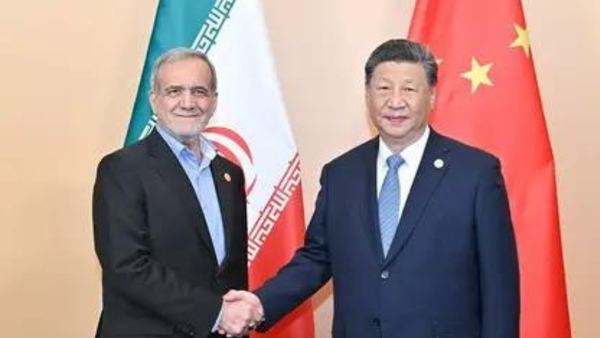
Trump's negotiators (who are more hawkish than their boss) are now under pressure to conclude a deal before Trump and Chinese President Xi Jinping meet, probably in a few weeks. It will be a pity if the terms fudge the long-term issues. China's licit and illicit trade practices do need to be dealt with, and these talks, with the Chinese economy slowing and global opinion hardening against Beijing, provide an opportunity that shouldn't be wasted.
Nonetheless, tariffs were always the wrong tool to force change on China. For a start, they were probably illegal under World Trade Organization rules. (Breaking rules is a poor way to make the case for better behavior.) And the sanctions already imposed by Trump, plus the retaliatory tariffs they provoked, have hurt U.S. consumers, farmers and companies more than they have harmed their Chinese counterparts.
While Trump is correct that "billions and billions of dollars" are flowing into the U.S. Treasury from duties on Chinese goods, the money is a tax on U.S. consumers. Aid to farmers hurt by Chinese tariffs is a further cost to U.S. taxpayers. Exports to China are down significantly. U.S. manufacturers are hurting from higher input costs. Some of those operating in China are shifting operations to third countries rather than back home. Uncertainty is holding down investment in the U.S.
Raising tariffs on $200 billion worth of Chinese goods from 10 percent to 25 percent, as Trump had threatened to do on March 1, would only have made things worse.
Whatever concessions Trump ultimately wins, and whether they're valuable or illusory, the U.S. needs to do much more on its own behalf to meet the economic and security challenges posed by China. It should invest more in education and R&D, attract more skilled immigrants, improve infrastructure and otherwise bolster U.S. competitiveness. It should work harder to protect sensitive technology from falling into Chinese hands and join with allies to strengthen the existing tools � especially the WTO � for enforcing the rules.
Trump's misguided focus on tariffs has distracted attention from these vital tasks. One hopes that he's starting to have second thoughts.