THE Edinburgh TV Festival received almost £600,000 in funding from the Scottish Government before its organisers announced it would be relocated to Greater Manchester, The National can reveal.
In June, the Edinburgh TV Festival’s board of directors confirmed the annual event will be held in the Scottish capital for the last time this August as they plan to move it across the English Border in a bid to “radically reduce the costs”.
The board said Greater Manchester was chosen to host the festival, which has been based in Edinburgh since 1976, due to its combination of “creative ambition and future-facing energy with practical accessibility and affordability for delegates”.
However, the decision prompted a scathing response from many in Scotland’s creative industries, including the head of Screen Scotland, who said the “significant funding” earmarked for the event in previous years will be reinvested in other opportunities across the country.
Following a Freedom of Information Request (FOI), The National can reveal that the Edinburgh TV Festival received £197,752 from Creative Scotland, the Scottish Government's arts agency, for its annual event in 2025.
Data also showed the festival has received £32,673 from Creative Scotland for its final year in Edinburgh before it moves to Greater Manchester in 2027.
Despite running for 50 years, the FOI indicated that the festival only received funding from Creative Scotland for 10 years: in 2011, and then from 2018 to 2026.
The total amount awarded from Creative Scotland to the Edinburgh TV Festival over the 10 events was £592,004, with a further £31,095 granted from the National Lottery Open Fund.
A breakdown of the funding from Creative Scotland showed that bursaries offered to Scottish TV production companies and writers based in the country were £19,797.
The bursaries, offered through Screen Scotland in partnership with the festival, aimed to provide entry to more than 70 talks, sessions and workshops at the festival while offering meetings with industry experts and access to networking events
It also helped cover three nights’ worth of accommodation in Edinburgh’s City Centre during the festival.

Data showed that the majority of the funding, £309,900, went towards sponsorships, with £252,305 going towards promotion, hospitality and passes.
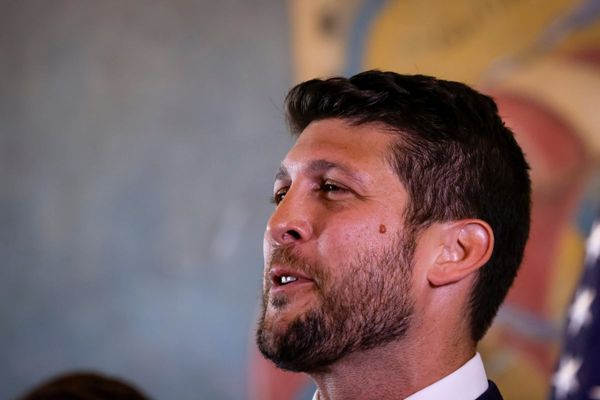
Last month, the director of Screen Scotland, the Scottish Government’s national public agency that aims to develop all aspects of the nation's film and TV industry, David Smith hit out at the decision to relocate the Edinburgh TV Festival.
He said: “Is this a surprise, a disappointment? Not entirely, and it's an opportunity.”
Smith added: “The value proposition of the TV Festival hasn't been as solid since the pandemic, and this move gives them a chance to work on that, to break with the rich history they inherited and fully own the outcomes of their decisions. I hope they take it.”
Around 2000 delegates normally attend the event, organised by The TV Foundation charity, and it is seen as the biggest screen industry gathering in the UK.
Smith went on to say that Screen Fringe, a professional networking program funded by Screen Scotland that aims to help support Scotland's TV and film industry, will grow and that “new opportunities will be developed”.
He said: “Edinburgh created the TV Festival, gave it relevance and context for 50 years. Edinburgh's bid to retain the TV Festival was robust and addressed the concerns raised by the TV Fest team, at least to the level that was considered justified by what they in turn brought to the city each August.
“It was a bid built on collaboration that attracted significant support from industry here in Scotland and across the UK. It included significant funding pledges and had a strong focus on accessibility and affordability.
“Looking forward the resources that would have supported the TV Festival had it stayed in Edinburgh are now available to support other new things. That is the opportunity.”

The Edinburgh TV Festival notably features the MacTaggart lecture, which has given a platform to figures such as Emily Maitlis, Louis Theroux, and David Olusoga in recent years.
Some of the country’s top comedy figures raised their concerns about the festival’s relocation as they argued that several acts and shows, including Fleabag, Baby Reindeer, and Taskmaster, would not have been picked up if it weren’t for the festival running alongside the Fringe.