A woman, who recently returned from Uganda, sparked an Ebola infection scare in India. She was quarantined at a Bengaluru hospital after she displayed Ebola-like symptoms, news agency Reuters reports. Her samples were collected for Ebola testing and were sent to the National Institute of Virology in Pune for testing.
The Indian government layer clarified that the woman's test has turned out to be negative, which came as a huge relief for health officials amid a global alert over the viral disease.
Since the woman recently travelled from an Ebola-affected region and later developed mild symptoms like body ache, concerns have been raised in country whether Ebola virus has come to India too.
Following the alert, the Karnataka health department on Friday issued an advisory directing travellers returning from Ebola-affected countries to monitor their health and remain under observation for 21 days after arrival. The department said anyone showing symptoms must immediately visit the nearest health facility, while Rapid Response Teams would conduct surveillance and contact tracing whenever necessary.
ALSO READ: RCB vs GT Qualifier 1 yesterday match result
Is Ebola virus spreading in India?
As of now, there is no threat of Ebola virus in the country. The Indian government is closely monitoring the Ebola situation in view of the recent outbreaks in parts of Africa, but no confirmed cases have been reported in the country yet, sources told The Economic Times.
The Ministry of Health & Family Welfare is maintaining close surveillance and all necessary public health protocols are being followed in accordance with WHO guidelines.
What is Ebola?
Ebola is a rare but deadly disease caused by a virus. Ebola viruses normally infect animals, typically fruit bats, but outbreaks among humans can sometimes start when people eat or handle infected animals.
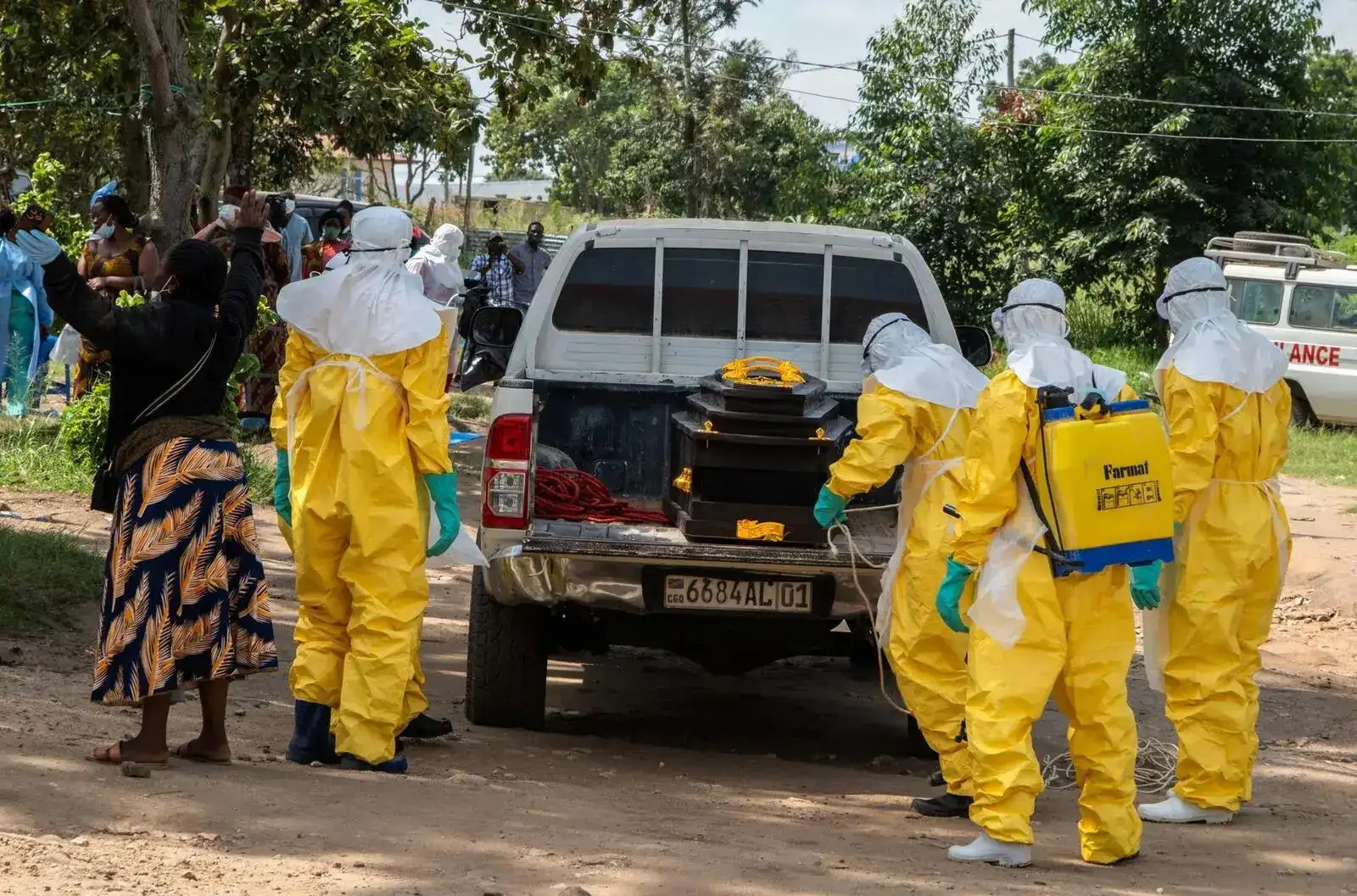
The World Health Organisation (WHO) declared an Ebola outbreak in the Democratic Republic of Congo has been declared a public health emergency of international concern on May 17.
Why is Ebola 2026 outbreak worrying?
The outbreak was caused by a new Ebola virus strain, known as the Bundibugyo species and there is no vaccine or specific treatment for this strain so far. However, Russia on Wednesday claimed that it has made a breakthrough in vaccines.
The 2026 Ebola outbreak is suspected to have claimed more than 220 lives so far, with at least 11 confirmed deaths with the WHO warning that this outbreak is threatening to spiral out of control.
Ebola signs and symptoms
It takes two to 21 days for symptoms to appear. They come on suddenly and start like the flu or malaria, with fever, headache and tiredness, according to BBC. You should watch out for these ebola symptoms:
Sudden fever
Extreme fatigue and weakness
Malaise (general discomfort)
Muscle pain
Headache
Sore throat
Vomiting
Diarrhoea
Abdominal pain
Skin rash
Kidney and liver function problems
Bleeding Symptoms (May appear later)
Blood in vomit or stool
Bleeding from nose, gums, or vagina
Bleeding from needle puncture sites
Internal and external bleeding in severe cases
Nervous System Symptoms
Confusion
Irritability
Aggressive behaviour
Important Note
Bleeding is not always an early or common symptom of Ebola
Health workers and caregivers have been advised to closely monitor these warning signs
How to prevent yourself from Ebola?
Maintain Proper Hand Hygiene
Wash your hands regularly with soap and water or use an alcohol-based hand sanitizer to reduce the risk of Ebola infection.
Avoid Contact With Body Fluids
Do not come into direct contact with blood, saliva, vomit, urine, sweat, or other body fluids of a person infected with Ebola.
Stay Away From Contaminated Items
Avoid touching clothes, bedding, towels, needles, or personal items that may have been exposed to the Ebola virus.
Avoid Close Contact With Infected People
Keep distance from people showing Ebola symptoms such as fever, vomiting, diarrhoea, or bleeding.
Follow Safe Burial Practices
Avoid direct contact with bodies of Ebola victims during funerals or burial rituals, as the virus can still spread after death.
Avoid Wild Animals and Bushmeat
Do not handle or consume bats, monkeys, chimpanzees, or other wild animals in Ebola-affected regions.
Use Protective Equipment
Healthcare workers and caregivers should wear gloves, masks, gowns, and eye protection while treating Ebola patients.
Practice Safe Sex
Recovered Ebola patients may still carry the virus in bodily fluids for some time, so safe sexual practices are important.
Follow Ebola Travel Advisories
Avoid unnecessary travel to Ebola outbreak zones and follow official health guidelines while travelling.
Seek Medical Help Immediately
If you develop Ebola symptoms after possible exposure, immediately isolate yourself and contact a healthcare facility for testing and treatment.