
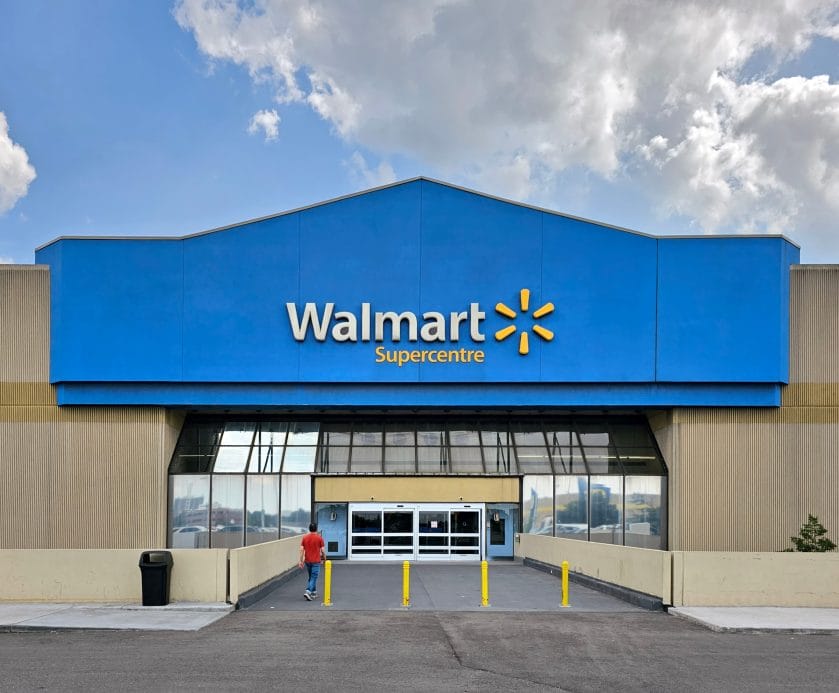
The American grocery aisle is undergoing a massive technological overhaul. For decades, retail pricing moved slowly. Employees walked the aisles pulling paper tags by hand to run a weekly sale. That manual process is officially ending. Walmart is currently rolling out electronic shelf labels to all 4600 of its domestic stores by the end of 2026. These digital tags connect directly to a centralized computer system. The technology allows the largest retailer in the world to change the price of 120,000 items in a matter of minutes. This shift is sparking a fierce national debate about how dynamic pricing affects your household budget.
1. The Death of the Paper Tag
The new digital shelf labels look like small, flat screens clipped directly to the metal shelving. They completely replace the old paper stickers. Walmart argues this is purely an efficiency upgrade. Changing paper tags takes thousands of labor hours every week. The digital system frees up employees to restock shelves and fulfill online orders. It also ensures that the price listed on the shelf matches the exact price in the computer, eliminating frustrating errors at the checkout register.
2. The Mechanics of Instant Price Updates
The true power of the electronic label is its speed. A corporate manager can push a button and instantly change the price of ground beef in every store across the country. The technology allows Walmart to synchronize its physical store pricing directly with its online website. If a competitor drops the price of a specific laundry detergent online, Walmart can immediately lower its shelf price to match the deal without dispatching a single employee to the aisle.
3. The Fear of Algorithmic Surge Pricing
The speed of the digital labels terrifies consumer advocates and state lawmakers. They fear the technology will usher in an era of surveillance pricing. This is the practice of raising prices based on immediate demand, time of day, or weather patterns. Critics argue that algorithms could detect a sudden rainstorm and instantly raise the price of umbrellas, or increase the cost of cold medicine during a local flu outbreak. Several states are currently drafting legislation to ban algorithmic grocery pricing.
4. Walmart’s Stance on Dynamic Markups

Walmart actively denies that it will use the digital labels to gauge consumers with surge pricing. Corporate spokespeople state that prices will remain consistent for all shoppers regardless of the time of day. They insist the technology is simply a communication tool. The retailer recently secured patents for machine learning pricing systems, but claims they are designed to manage clearance markdowns more efficiently. They want to lower the price of perishable food quickly before it spoils in the back room.
5. The Erosion of Consumer Trust
Even if Walmart avoids predatory surge pricing, the digital labels change the psychology of shopping. Consumers are already exhausted by the fluctuating prices on airline tickets and ride-sharing apps. Bringing that same unpredictability to the grocery aisle erodes trust. Shoppers fear that a box of cereal might cost $4 on a Tuesday morning and $5 on a busy Saturday afternoon. The lack of transparency makes it incredibly difficult for families living on fixed incomes to budget accurately.
6. How to Navigate the Digital Aisles
The electronic labels are here to stay, and other major grocery chains will inevitably copy Walmart. Shoppers must adapt to this new retail environment. You have to monitor your digital receipts closely. If you notice a price discrepancy between your online cart and the physical shelf, you must alert customer service. Focus on buying store brand staples, as these items are less likely to experience rapid algorithmic shifts compared to volatile name-brand products.
Surviving the New Digital Shelf Era
Technology is removing the friction from retail pricing. While the stores gain operational efficiency, consumers bear the risk of sudden price adjustments. You can no longer assume that an item will cost the same amount today as it did last week. Track your staple purchases, watch the digital tags carefully, and be prepared to substitute items if an algorithm suddenly pushes your favorite brand out of your budget.
Have you noticed digital tags at your local Walmart? Drop your location/local Walmart below.
What To Read Next
How to Avoid Paying More With Dynamic Grocery Pricing
Is Dynamic Pricing Costing You More on Delivery Apps?
How “Dynamic Pricing” Means You May Pay More Than the Person Beside You
The Stop Paying for Delivery Apps Grocery Thread How People Cut Costs
9 Fast-Casual Food Trends That Will Change How You Dine Out
The post Dynamic Pricing at Walmart Means Prices Change More Often Than You Think appeared first on Grocery Coupon Guide.