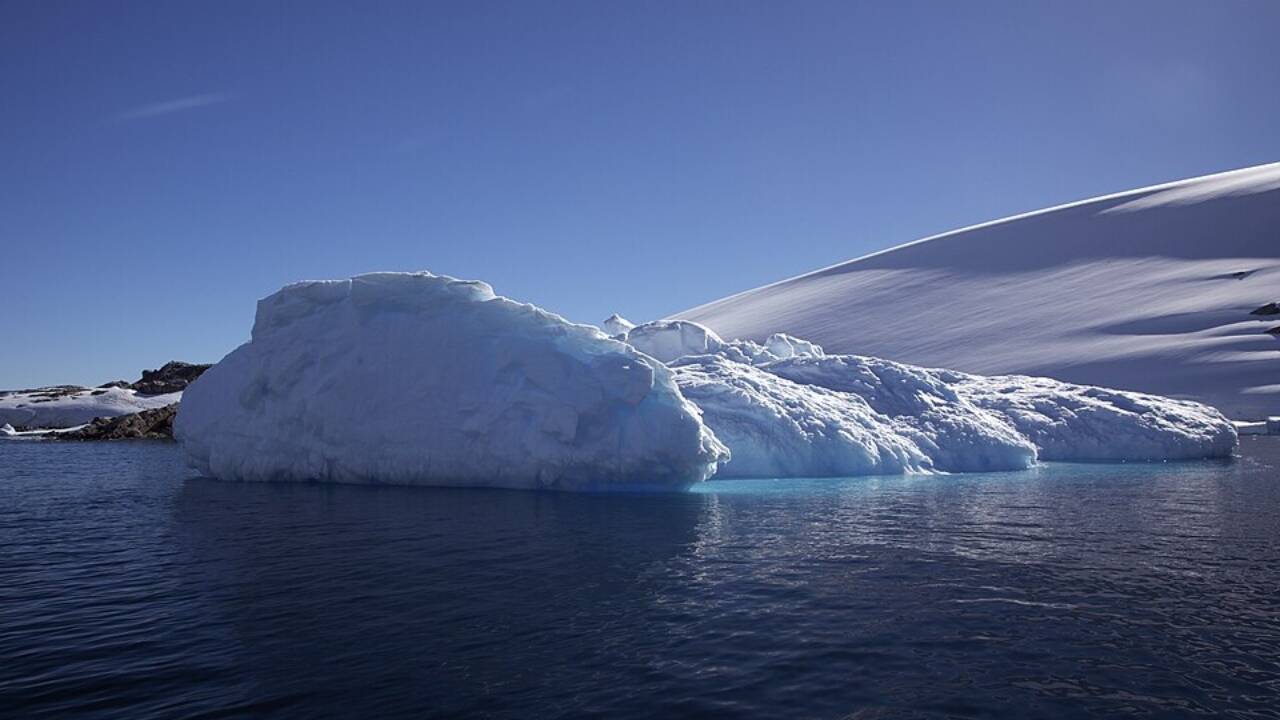
As Cape Town edged towards the feared “Day Zero” during its 2018 water crisis, engineers and policymakers analysed ideas that ranged from large-scale desalination to groundwater extraction. Among these, one of the ambitious proposals came from Nick Sloane, the South African salvage expert who is best known for leading the recovery of the Costa Concordia cruise ship. According to the BBC , Sloane suggested towing a 100-million-tonne Antarctic iceberg around 2,700 km from the Southern Ocean to South Africa, arguing that around 63% of the ice could survive the voyage if protected with a specially designed geotextile skirt. However, this proposal was never implemented, but it did spark a debate over whether huge icebergs could one day become emergency freshwater reservoirs for water-stressed cities.
Get breaking news anytime, anywhere. Download the TOI app now!
A rescue mission inspired by ocean currents
The BBC article notes, Sloane’s proposal did not involve breaking ice directly from the Antarctic; instead, the plan involved harvesting a naturally calved iceberg that had drifted towards Gough Island, where the Antarctic Circumpolar Current meets the Benguela Current. According to his plan, as reported by the BBC, a supertanker and tugboats would then guide the iceberg towards South Africa, while an insulating floating skirt would reduce wave damage along its waterline. Notably, Sloane estimated the project would cost roughly $130 million, arguing that a single large iceberg could deliver freshwater comparable to that of a major reservoir during a prolonged drought. Following his proposal, engineers from Aurecon, together with academics from the University of Cape Town, examined the idea’s technical and economic feasibility during the height of a crisis.
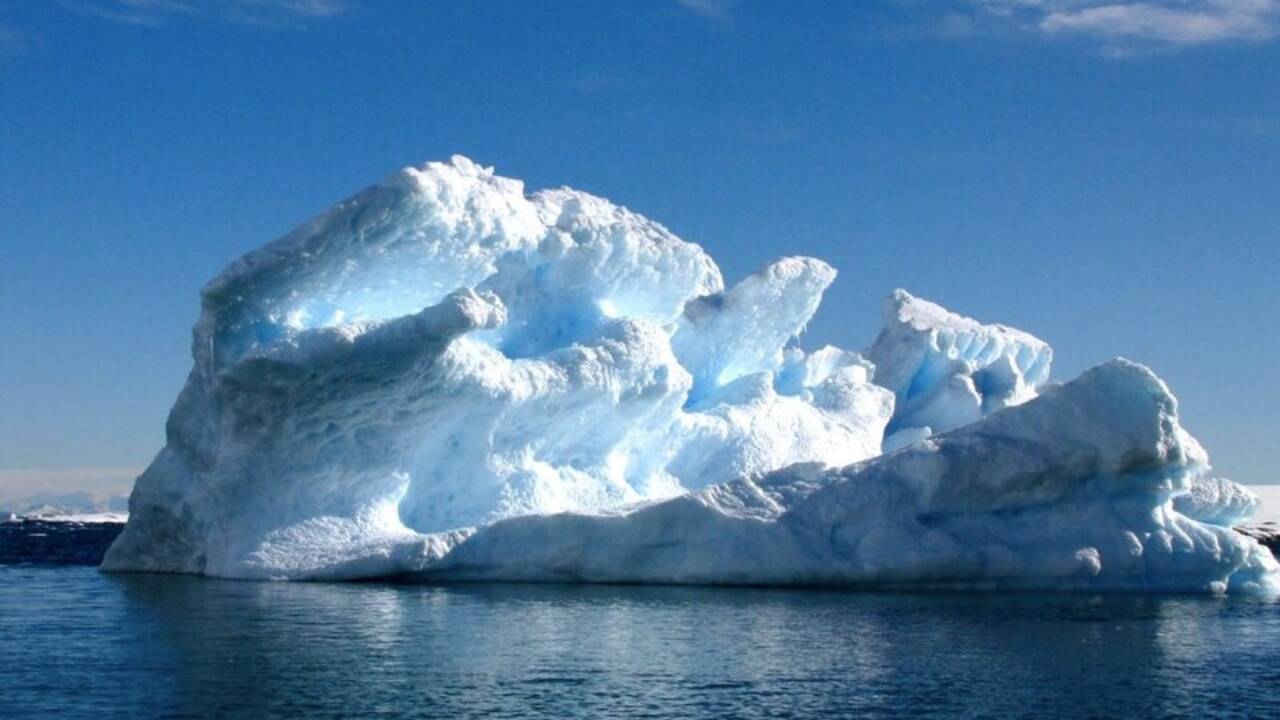
According to a 2023 peer-reviewed study published in Scientific Reports , the idea quickly attracted wider attention, with researchers developing numerical iceberg models to test whether towing Antarctic icebergs to Cape Town and the United Arab Emirates could realistically alleviate the challenges with freshwater. Notably, rather than dismissing the concept, the simulations showed that iceberg towing is technically feasible under certain conditions, with its success depending on the size of the ice, towing speed, ocean temperature and engineering measures to reduce melting. This study was partly inspired by the renewed interest generated after Cape Town’s near-Day Zero emergency.
The ocean was the real obstacle and not the heat
One of the study’s surprising findings was that wave-induced erosion, instead of simple air temperature, destroys most of an iceberg during transport. According to the researchers, waves continually erode ice at the waterline, thus accelerating ice loss as the berg enters warmer seas. Computer simulations showed that reducing this erosion with a protective skirt could significantly increase the amount of freshwater reaching Cape Town. For instance, a protected ice mass 700m long and 225m thick could theoretically supply about 20% of Cape Town’s annual water demand, while larger protected bergs retained far more of their original volume than the unprotected one.
Scientific Reports study has noted that towing an iceberg large enough to make a meaningful contribution to the crisis in Cape Town would require about 1 to 2 vessels, while icebergs large enough for the UAE would require about 10 to 20 vessels. Furthermore, researchers stressed that costs, sea conditions, harvesting infrastructure and environmental considerations would ultimately determine whether such projects could become practical. Therefore, they concluded that iceberg towing should be viewed as an emergency or supplementary water source instead of a replacement for conventional water management strategies such as conservation, recycling and desalination.
It is worth noting that Cape Town ultimately avoided Day Zero through stringent water restrictions, improved rainfall and expanded water-supply measures. As per the BBC, Sloane’s proposal also prompted scientists to study whether Antarctic icebergs could serve as emergency freshwater reservoirs for coastal cities. While no iceberg has yet been towed for drinking water, the idea has become a serious subject of scientific investigation and has prompted new thinking about engineering and climate adaptation.