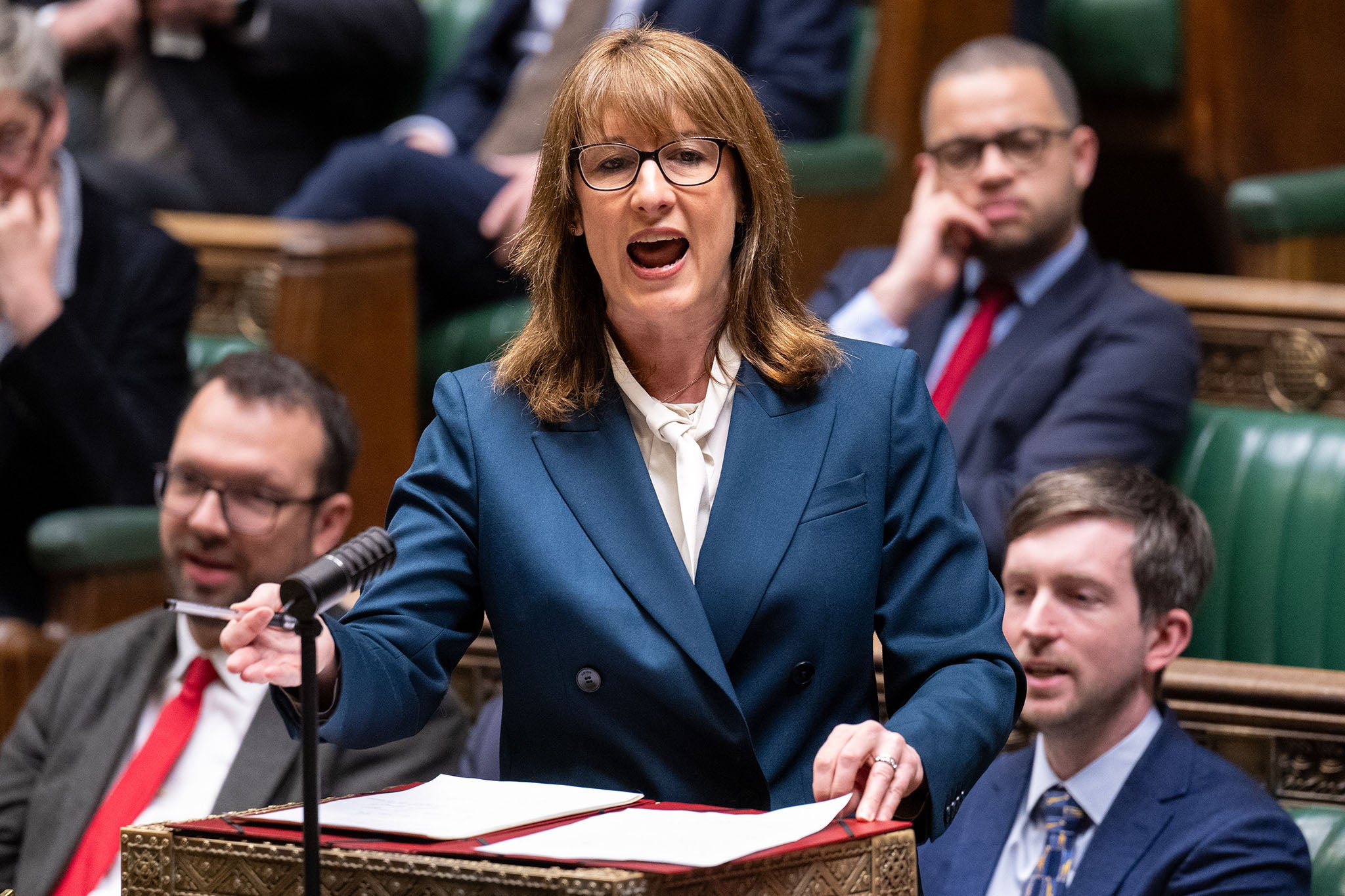
Motorists in the UK have paid an additional £300m at the pumps since the US and Israel began their war against Iran, although Rachel Reeves said on Tuesday there will be no extra help for millions struggling with soaring bills.
Analysis by the RAC Foundation said price rises since the conflict began on 28 February have cost motorists an additional £307m for petrol and diesel.
It came as the chancellor shocked MPs by failing to announce any new measures to deal with the cost of living despite warning the conflict will create “significant” challenges for Britain’s economy, including inflation.
Oil prices have soared to more than $100 a barrel in response to Iran’s stranglehold on tankers passing through the Strait of Hormuz. Tehran is blockading the strait, stopping the flow of oil through the vital shipping route.
But Ms Reeves rebuffed demands – including from some Labour MPs – for emergency help for households facing higher energy bills.
Instead, she said she would meet supermarkets and banks later this week to discuss what help they can offer customers, while the Competition and Markets Authority is being given new powers to clamp down on price gouging.
She told MPs: “This is not a war that we started, nor is it a war that we joined… but it is a war that will have an impact on our country.”
Her statement was ridiculed by opposition MPs, with Tory shadow chancellor Mel Stride saying: “Labour have no plan and hardworking families are paying the price. The chancellor must axe the fuel tax, drop the net zero dogma and open up the North Sea."
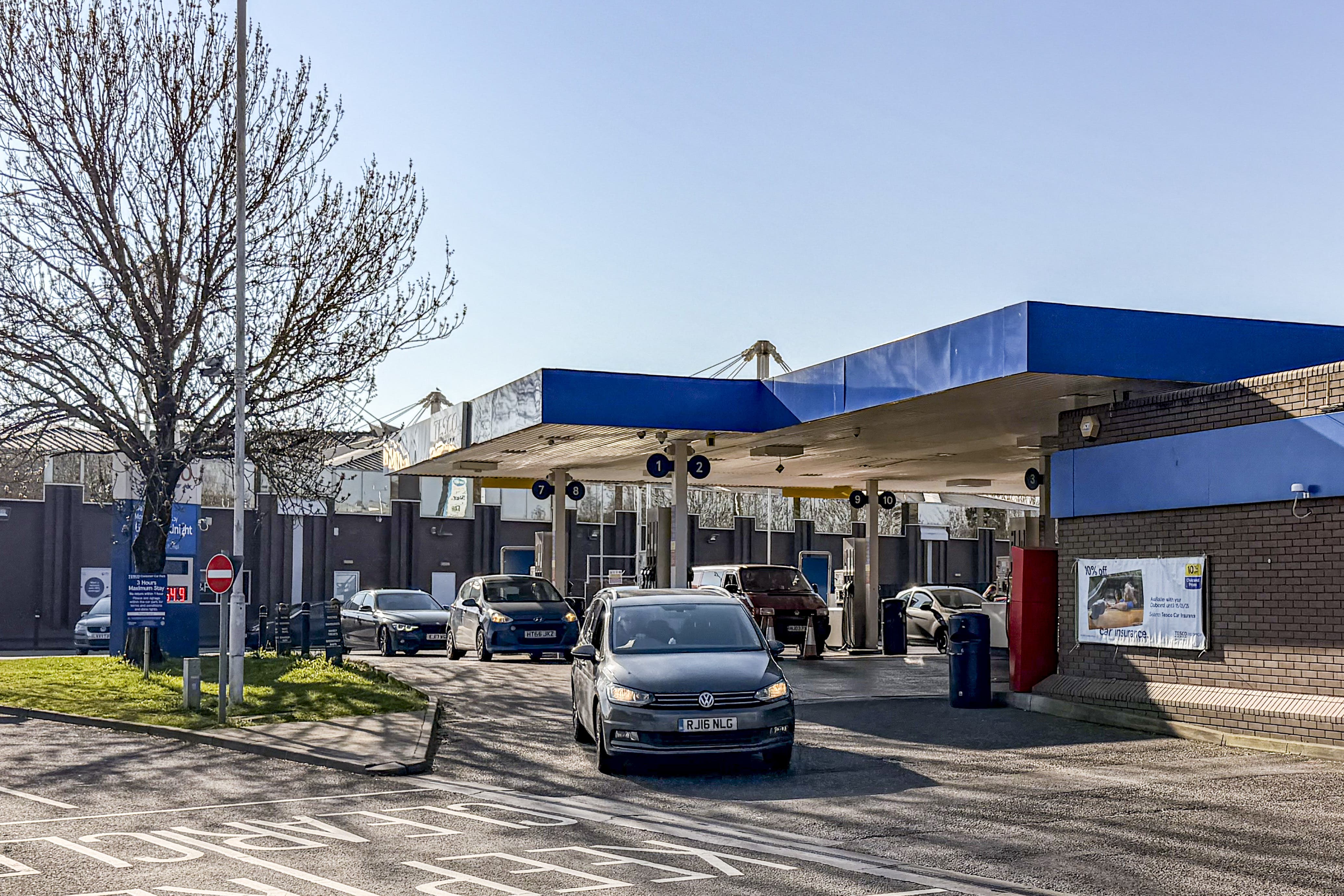
New figures from the Department for Energy Security and Net Zero showed prices at petrol pumps have risen again.
On 16 March, the average price of unleaded petrol at pumps in the UK was 140.28p per litre. For diesel, the average price stood at 158.78p per litre. On Tuesday, the department announced the average price on 23 March was 144.16p for unleaded and 166.88p for diesel – a weekly rise of 3.9p and 8.1p for respectively. It is the highest price for diesel since March 2023 and the highest price for unleaded petrol since July 2024.
The RAC Foundation said its analysis showed prices were even higher, at 146.4p for petrol and 169.8p for diesel, as of Monday.
On Friday 27 February, the day before the conflict began, the price of a barrel of Brent crude oil was roughly $72 while pump prices in the UK averaged 132.9p per litre for petrol and 142.4p per litre for diesel, the foundation said.
It took into account average daily pump prices and fuel consumption rates to calculate that UK drivers have spent an estimated £4.574bn on petrol and diesel since 28 February.
Its analysis found this figure would have been £4.267bn if pump prices had remained broadly stable. The charity described the £307m difference as a “direct cost” of the war and warned the figure would continue to rise “even if the conflict was resolved tomorrow” because of the time lag between changes in the barrel price of oil and pump prices, as well as the time it will take to repair war damage to oil production, refining and distribution infrastructure.
Steve Gooding, director of the RAC Foundation, said: “This puts a financial price of the war not just for UK drivers but also the nation’s businesses. Whether you are running a household or a company, fuel prices make up a significant part of the budget.
“Even those who don’t drive will be impacted by higher transport costs as firms pass on their additional costs to their customers. All of which is adding to the cost of living crisis.”
In the Commons, Labour MP Andrew Cooper warned motorists were being “exploited by unscrupulous petrol retailers who are not letting a crisis go to waste”.
He said one retailer in his Mid Cheshire constituency was selling unleaded fuel at 15p per litre more than the cheapest forecourt in the area.
Earlier, energy minister Michael Shanks said British drivers did not need to change their habits, despite suggestions from the International Energy Agency (IEA) aimed at conserving fuel.
The IEA has advised motorists across the world to reduce their speed on highways, share rides and work from home when possible to reduce how much petrol or diesel they use.
Asked on Times Radio if British drivers should change their habits, Mr Shanks said: “They should do everything as absolutely normal because there is no shortage of fuel anywhere in the country at the moment. We monitor this every single day, I look at the numbers personally. There’s no issue at all with that.”
The minister added: “People should go about their business as normal. That’s what the RAC and the AA have said. It’s really important people do that. There’s no shortage of fuel and everything is working as normal.”
With fuel prices rising and pressure building on household budgets, you can put your questions directly to our personal finance expert. Join our live cost of living Q&A and get advice on everything from petrol costs to mortgages, bills and savings.
Trump claims Iran gave ‘prize’ related to oil and Strait of Hormuz but won’t say what
Iran-US war live: Trump claims Tehran agreed never to have nuclear weapon
Lebanon orders Iran’s ambassador out, escalating a postwar crackdown on Tehran’s influence
Millions of households will get no help on energy bills in wake of Iran war
Royal Mail postal workers claim they are told to hide mail
More support urged for ASN pupils as specialist teacher numbers drop