Ask any Venezuelan TPS holder in South Florida about their status, and one date comes up over and over: October 2. That date matters, but only for a narrow group. Immigration attorneys say the real story got buried months ago, when most Venezuelan TPS coverage quietly expired — a reality made even more precarious by a Supreme Court ruling this past June that, on its face, had nothing to do with Venezuela at all.
One Country, Two TPS Clocks
Venezuela has run two separate Temporary Protected Status designations at the same time, and each has met its own ending. Beneficiaries under the 2021 designation lost coverage when the Department of Homeland Security's termination took hold on Nov. 7, 2025, according to USCIS's Venezuela TPS guidance. A limited group who filed renewal paperwork before Sept. 14, 2025 can still claim a 540-day extension of work authorization tied to that designation, according to USCIS's Ninth Circuit court order update.
The 2023 designation collapsed sooner. A federal judge in California had restored those protections through October 2026 just weeks earlier, but on Oct. 3, 2025, the Supreme Court froze that decision through an emergency order, letting the termination take effect while the underlying appeal moved through the courts, per USCIS's updated notice.
Who's Still Covered — And Until When
The surviving category is specific: those whose TPS documentation — an EAD, an approval notice, or an I-94 — shows an October 2, 2026 expiration date, provided USCIS issued it no later than February 5, 2025. Under a district court order, that group keeps lawful status and work eligibility only until that date, though employment attorneys tracking the litigation warn the underlying order could face a fresh government challenge at any time.
That surviving population is a fraction of the roughly 350,000 Venezuelans who registered under the 2023 designation specifically, based on the government's own case estimate — and a far smaller slice of the nearly 600,000 Venezuelans who, combining both the 2021 and 2023 designations, held TPS at some point before the terminations began. Anyone whose paperwork falls outside the October 2 window has, in practical terms, already lost the protection.

A Ruling About Haiti and Syria That Echoes Into Miami
The picture darkened further on June 25, when the Supreme Court ruled 6-3 in Mullin v. Doe that federal courts generally can't second-guess the Homeland Security secretary's calls on Temporary Protected Status, clearing the way for the administration to end coverage for Haitian and Syrian nationals. Seth Chandler, who teaches constitutional law at the University of Houston, told Houston Public Media the decision "basically streamlines the ability of the Trump administration to revoke TPS status," reaching past Haiti and Syria to Hondurans, Nepalis, Afghans and Venezuelans as well.
Because Venezuela's terminations happened before that ruling, Mullin doesn't erase the October 2 carve-out by itself. But it dismantles the legal theory — that DHS acted arbitrarily under the Administrative Procedure Act — that Venezuelan plaintiffs used to win at the Ninth Circuit in January. Attorneys now say the government has a clearer path toward dissolving the district court order protecting the remaining group before their documents even expire.
Doral, Weston and Hialeah Feel the Strain First
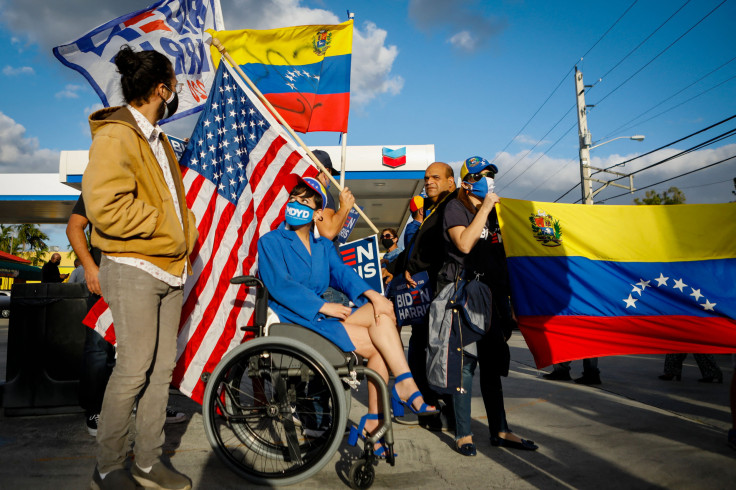
Nowhere feels this more acutely than Miami-Dade's Venezuelan enclaves. In Doral, often nicknamed "Doralzuela," close to 40% of the population has Venezuelan roots, according to a Fox News report on the city's reaction to political developments back home; Weston and Hialeah hold sizable Venezuelan communities of their own. In late July, advocates gathered in Doral to press lawmakers for a legislative fix as job losses mounted ahead of the deadline. TPS holder Sedna Mercado described bipartisan meetings with members of Congress during that Washington push, Local 10 reported.
Why "Venezuela Is Safe Now" Just Got Harder to Argue
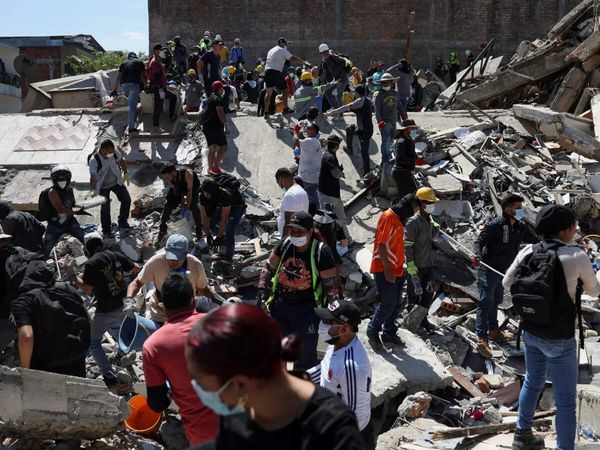
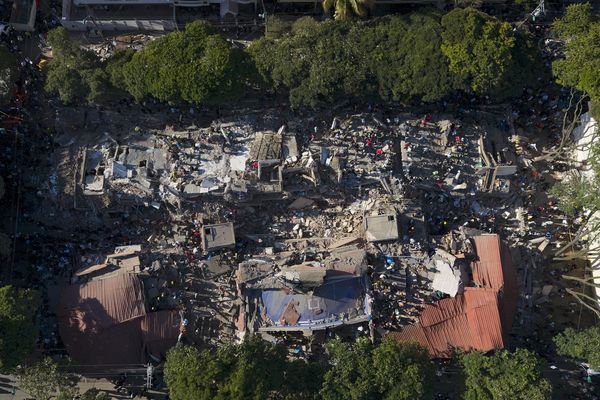
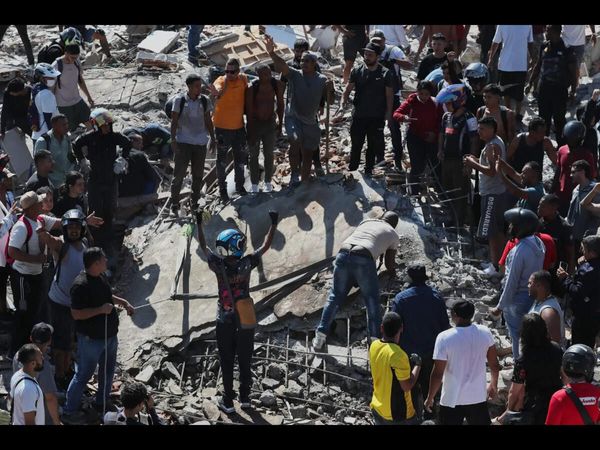
Any claim that Venezuela has stabilized enough for mass deportations took a direct hit on June 24, when back-to-back earthquakes measuring magnitude 7.2 and 7.5 struck near Caracas and La Guaira, collapsing an estimated 80 percent of La Guaira state's structures, according to reporting on the disaster's lingering aftermath. The confirmed death toll has kept rising for weeks; Venezuela's National Assembly president put the count at 6,125 as of early August, Al Jazeera reported, with tens of thousands still unaccounted for and international officials warning the real total could climb higher still. In Doral, advocates marked one month since the disaster with a rally demanding TPS's reinstatement, arguing the devastation undercuts DHS's earlier finding that conditions had improved enough to justify sending people home.
Where the Legal Fight Goes From Here
The Ninth Circuit actually sided with Venezuelan plaintiffs back in January, ruling that DHS had overstepped its statutory authority in ending the designations. That win remains frozen by a Supreme Court stay issued in October 2025 while the government's appeal continues. Politically, the landscape shifted dramatically when U.S. forces captured former President Nicolás Maduro during a military operation on Jan. 3, 2026; Venezuela's National Assembly swore in Vice President Delcy Rodríguez as acting president two days later, amid close coordination with Washington — a transition advocates say complicates any simple narrative about the country being safe. Meanwhile, the bipartisan Venezuelan Adjustment Act, which would offer a path to permanent residency and counts Reps. María Elvira Salazar and Darren Soto among its sponsors, remains parked in a House committee without any Senate movement. For now, immigration lawyers keep repeating the same advice: check the exact date printed on your own TPS documents rather than assume October 2 applies to you — because for most Venezuelan TPS holders, the deadline that actually mattered came and went months ago.