Hey, remember, like, two weeks ago when the 2019 Red Sox seemed irreparably doomed? It was a small-sample size blip from the start, combined with some of the inevitable regression shrewd baseball fans should always expect from a club that won 108 regular-season games and dominated the postseason in 2018.
After starting the season 6-13, the Sox have won 16 of their last 22 contests. They’re now sitting only three games back of the Tampa Bay Rays in the AL East and only a half-game out of the second AL Wild Card spot, and there’s really no reason whatsoever to expect they won’t be contenders come September. They’ve got some kinks to iron out, but even ace starter Chris Sale — whose woeful April and diminished velocity inspired all sorts of concern and hand-wringing — has now put together back-to-back dominant starts and seems like he’ll be totally fine moving forward.
The 2019 Red Sox just looked bad. They were never bad, even a cursory look at their roster should’ve told you that, and it’s honestly astonishing to me that so many people who follow baseball simply refuse to understand how silly it is to overreact to things that happen in the first couple weeks of any season.
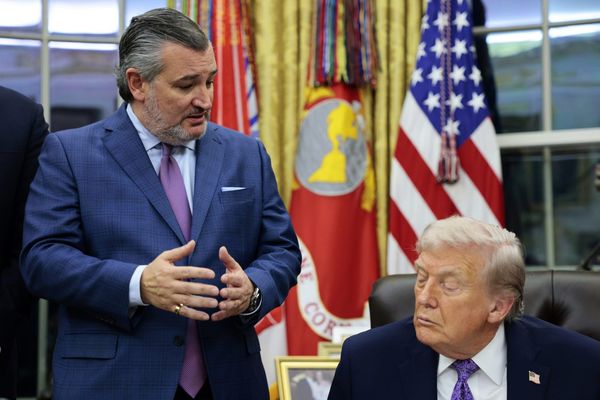
Anyway, now Donald Trump is taking credit for some of their recent success:
The Red Sox have won three straight games since some members of the team met with Trump. But they’d also won eight of 10 games before the White House visit, plus a huge portion of their roster — including Mookie Betts, Jackie Bradley Jr., David Price, Xander Bogaerts, and red-hot Rafael Devers — did not make the trip.
Trump is correct that the Red Sox haven’t lost at all since visiting the White House, but they were already hot before the day in DC. This is hardly the president’s worst baseball take, and he is just by no means the first person to suggest a post hoc ergo propter hoc fallacy to explain tiny-sample baseball phenomena.





.jpg?w=600)