Jeremy Wallace, professor of China studies at Johns Hopkins University, rightly describes Donald Trump’s most recent climate change decision as “abdication” (Trump takes US out of Paris climate agreement for a second time, 27 December). It was in line with his professed view that climate change is a “hoax”, his dismantling of all the measures designed to combat it, and his encouragement of unrestrained development by the oil industry.
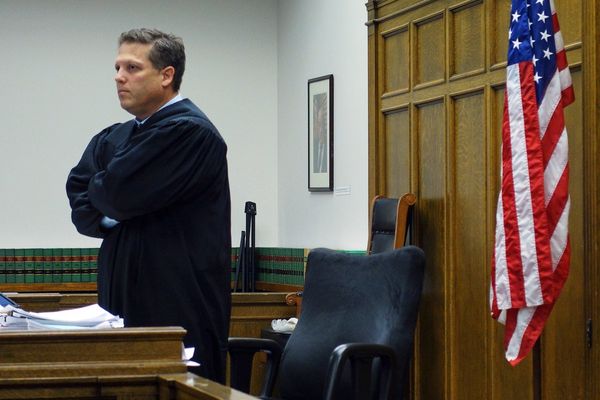
The article might also have mentioned the experience of the courts. As a retired judge (and visiting fellow of the LSE’s Grantham Institute), I have for some years observed the many climate change cases in courts in the US and around the world, involving governments and oil majors. I am aware of none in which there has been any serious challenge to the relevant science or the consequences of failure to act.
Notably, in a case that was before the courts in 2019 under the first Trump administration (Juliana v United States), his lawyers made no attempt to challenge the claimants’ evidence. The majority judgment recorded the “largely undisputed” record showing that the federal government “has long promoted fossil fuel use despite knowing that it can cause catastrophic climate change, and that failure to change existing policy may hasten an environmental apocalypse…”
Or in the words of the minority judge: “In these proceedings, the government accepts as fact that the United States has reached a tipping point crying out for a concerted response – yet presses ahead toward calamity.”
Unfortunately, the majority felt unable to do anything about it within their constitutional role. Against that background, this – of all the president’s remarkable policy initiatives – is surely the most perverse and potentially catastrophic.
Robert Carnwath
Former supreme court justice
• Have an opinion on anything you’ve read in the Guardian today? Please email us your letter and it will be considered for publication in our letters section.