The dollar extended its weakness against major currencies on Friday and was on track to end the week lower, after reports the U.S. and Iran reached an agreement to extend the ceasefire in the Middle East and lift restrictions on shipping through the Strait of Hormuz.
The deal, still pending Trump's approval, would extend the truce for another 60 days and allow traffic to flow through the strategic waterway while negotiators tackle difficult issues such as Iran's nuclear program, four sources told Reuters.
Oil prices fell and demand for the safe-haven dollar waned, although moves were tempered as investors remained cautious about a lasting resolution following mixed signals from both Washington and Tehran earlier in the week.
The euro fetched $1.1653, up 0.03% so far in Asia, while the pound traded flat at $1.3445.
The Australian dollar was steady at $0.7164 and the New Zealand dollar rose 0.2% to $0.5946, near the strongest level in more than two weeks.
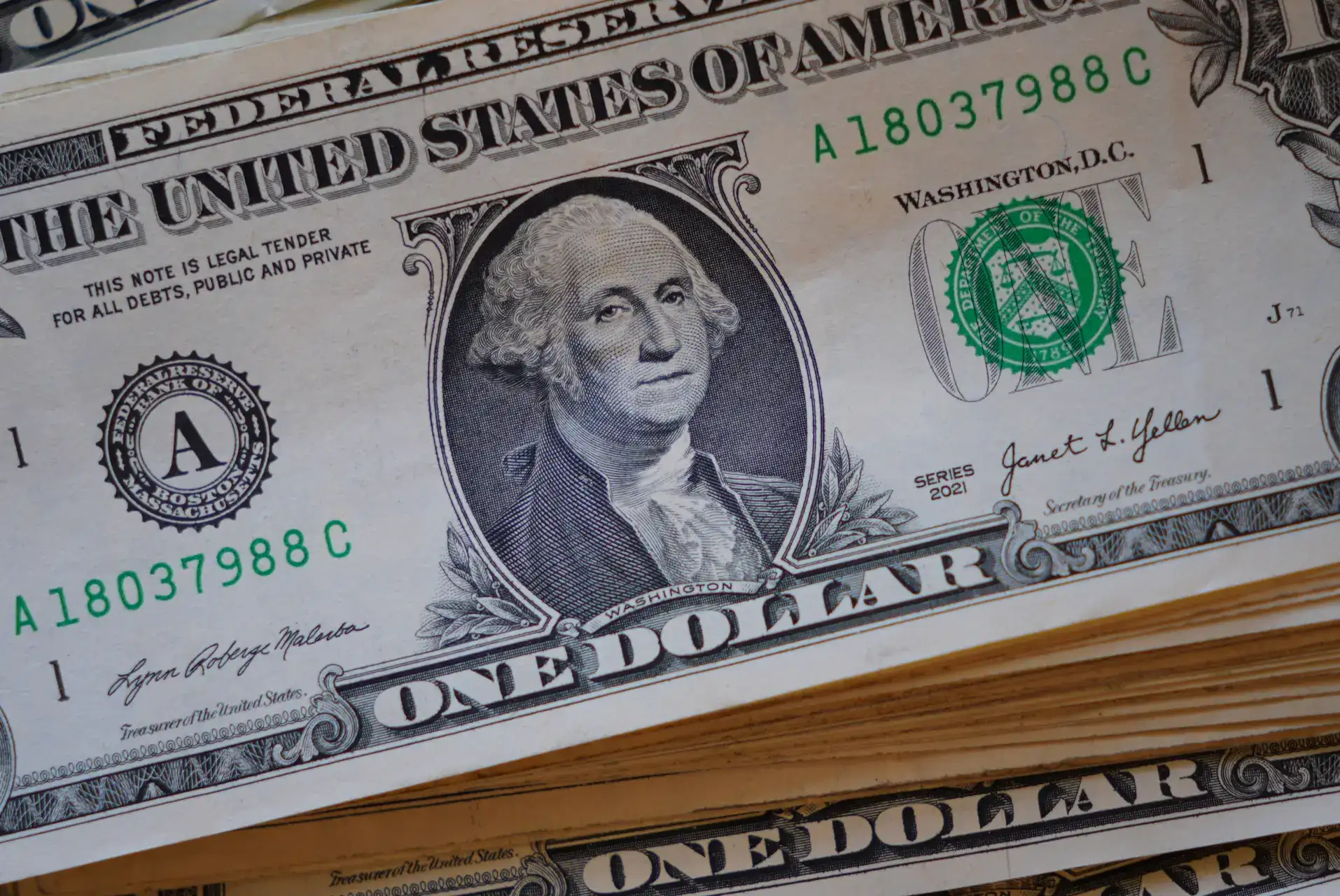
The dollar index, which measures the greenback against a basket of currencies, was largely flat at 98.997 after dropping 0.2% on Thursday. It is now on track to snap two weeks of gains and end the week 0.3% lower.
"It might well be that once this crisis in Iran, in the Middle East, is behind us, we expect the U.S. dollar to remain weak," said Massimiliano Castelli, head of strategy in the global sovereign markets team at UBS Asset Management.
The conflict has temporarily paused the dollar weakness due to the demand for safe havens, but many investors remain keen to diversify away from U.S. dollar assets, he said.
The Japanese yen strengthened to 159.27 on the back of broad dollar weakness, pulling away from the psychologically significant 160-per-dollar level that has previously led to interventions by Japanese authorities.
On the data front, U.S. inflation increased at its fastest pace in three years in April, driven by higher energy prices due to the Iran war and cementing economists' views that the Federal Reserve will hold interest rates unchanged well into next year.