
Winter brings a chill that can make even the warmest jacket feel insufficient. But if you find yourself shivering more than those around you, it may not just be the temperature—your body might be signalling a deeper issue. One common and yet overlooked cause is a deficiency in certain vitamins and nutrients that play a critical role in how your body regulates its temperature.
Here is why some people feel colder than others, the role of thermoregulation, and how specific vitamin deficiencies—especially vitamin B12, folate, and iron-regulating nutrients—can leave you reaching for that extra blanket.
How the body regulates temperature
Our bodies are designed to maintain a constant body temperature through a process known as thermoregulation. Under typical settings, this system maintains a core temperature of approximately 98.6°F (37°C). The brain, blood arteries, and sweat glands all work together to regulate temperature. This ensures that humans keep warm in chilly situations and cool down when exposed to heat.
However, this balance can be disrupted by several factors, including:
- Viral or bacterial infections
- Exposure to extreme temperatures
- Vitamin and nutrient deficiencies
A lack of essential nutrients may hinder your body's ability to produce or maintain heat, leaving you feeling cold all the time.
According to research published in the Journal of Thermal Biology, appropriate nutrition levels are required to maintain proper thermoregulation and avoid interruptions induced by external variables or internal imbalances.
Connection between nutrients and feeling cold
Among the many nutrients our body relies on, iron and certain vitamins like B12, folate, and vitamin C are critical for proper thermoregulation. These nutrients work together to ensure adequate red blood cell production and oxygen transport—key components of maintaining body warmth.
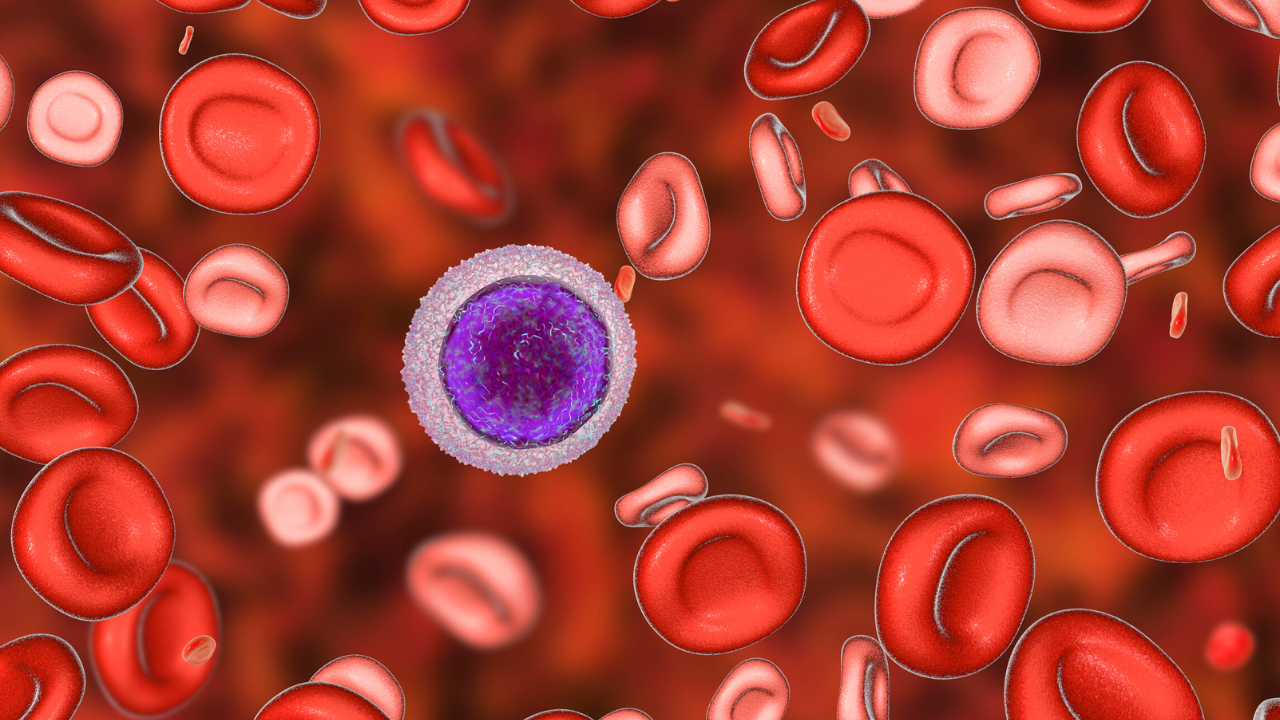
Iron and its role in keeping you warm
Iron is a cornerstone of haemoglobin production, the protein in red blood cells that transports oxygen throughout your body. Without sufficient oxygen delivery, your muscles and tissues can’t generate enough heat. This condition, called iron deficiency anaemia, often leaves individuals feeling cold, fatigued, and weak.
A study in The Lancet Haematology found that individuals with iron-deficiency anaemia reported heightened cold sensitivity due to poor oxygen transport in the blood.
Vitamin B12 deficiency
Vitamin B12 is essential for both red blood cell production and brain function. Without enough B12, your body struggles to form healthy red blood cells, resulting in vitamin B12 deficient anaemia. This causes poor oxygen circulation and an ongoing feeling of cold, particularly in the extremities such as the hands and feet.

A review in the American Journal of Clinical Nutrition emphasised the link between low B12 levels and decreased thermoregulation, emphasising its importance in preventing anaemia.
Folate
Folate (vitamin B9) works with B12 to create red blood cells. A folate shortage may block this process, causing symptoms such as cold sensitivity, tiredness, and poor circulation.
The British Medical Journal points out that folate-deficiency anaemia often presents with cold intolerance due to insufficient oxygenation of tissues.
Folate-rich foods such as leafy greens, beans, and citrus fruits can help replenish this essential nutrient.
Vitamin C and iron absorption
Even if you’re consuming enough iron, your body needs vitamin C to absorb it effectively. Vitamin C deficiency can cause symptoms comparable to anaemia, such as chronic coldness. This vitamin indirectly contributes to thermoregulation and warming by increasing iron absorption.
According to a study published in Nutrients, those with inadequate vitamin C intake had lower iron absorption, which increases their risk of cold sensitivity.
If you find yourself constantly feeling cold despite bundling up, consider consulting a healthcare professional. Persistent cold sensitivity could indicate underlying conditions such as hypothyroidism, Raynaud’s disease, or more severe nutrient deficiencies.
A blood test can help determine if you’re deficient in iron, vitamin B12, folate, or vitamin C. Based on the results, the doctor may recommend dietary changes, supplements, or other interventions.