
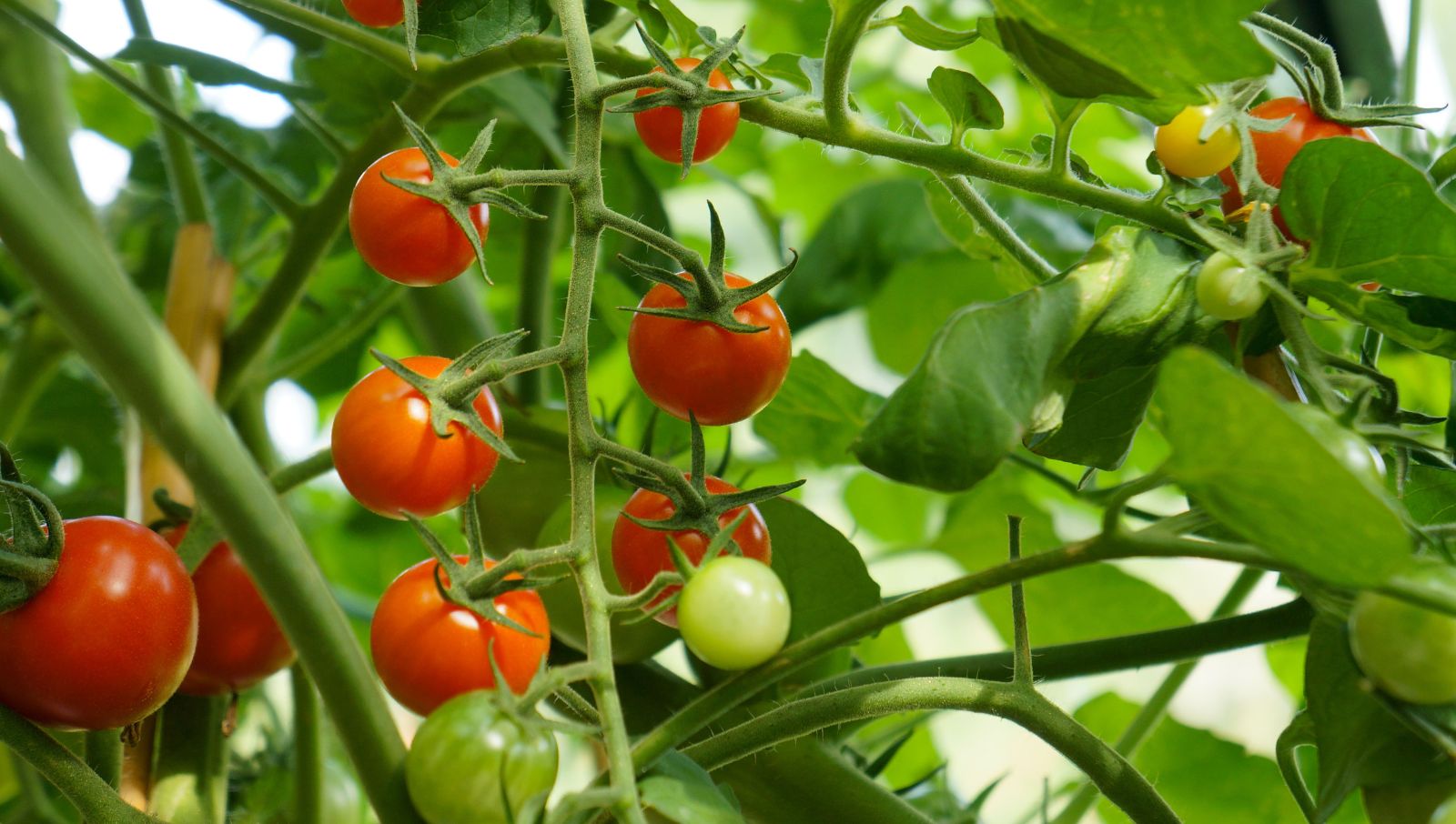
Coffee grounds can make for a nutrient-rich addition to the garden. Tomato plants thrive in slightly acidic soil, so when growing tomatoes, coffee grounds, being acidic in nature, can help achieve that optimal pH balance.
Using coffee grounds for plants can enhance the soil structure, improving drainage, water retention, and aeration. This is crucial for the robust growth of tomato plants, which prefer well-drained yet consistently moist soil.
Moreover, coffee grounds can contribute to a more sustainable garden ecosystem. They attract beneficial worms that aerate the soil and aid in breaking down organic matter, enhancing soil health. Additionally, when used as mulch, coffee grounds can help suppress weeds around tomato plants, reducing competition for nutrients and water. However, it's essential to coffee grounds wisely, so we take a closer look at how best to use them with tomato plants.
The benefits of adding coffee grounds to tomato plants
According to Emily Jones, a tomato grower for over 30 years, coffee grounds can provide a host of benefits to your tomato plants. Below are some of the most important:
Acidic Soil Amendment: Coffee grounds are slightly acidic, which can help in regulating soil pH levels. Tomatoes prefer slightly acidic soil conditions, typically within a pH range of 6.0 to 6.8. Incorporating coffee grounds into the soil can help maintain an optimal pH level, ensuring that the tomato plants can efficiently absorb nutrients from the soil.
Nutrient Boost: Coffee grounds are rich in nitrogen, a vital nutrient for plant growth. Nitrogen aids in the development of lush foliage and supports overall plant vigor. Incorporating coffee grounds into the soil around tomato plants can provide them with a steady supply of this essential nutrient, promoting healthy growth.
Soil Structure Improvement: Coffee grounds can improve soil structure and enhance its ability to retain moisture. When added to the soil, they contribute organic matter, which helps in loosening compacted soil and encourages better root development. Improved soil texture and moisture retention can benefit tomato plants, ensuring they receive adequate hydration and access to nutrients.
Natural Pest Repellent: Coffee grounds possess properties that can deter certain pests, such as getting rid of slugs and getting rid of snails, which are common nuisances in the garden. Sprinkling coffee grounds around tomato plants acts as a barrier, making it less inviting for these pests to approach. By reducing pest pressure, tomato plants are less likely to suffer from damage, allowing them to thrive more effectively.
Enhanced Composting: Coffee grounds are an excellent addition to compost piles. When mixed with other organic materials, they contribute to the decomposition process, resulting in nutrient-rich compost that can be used to fertilize tomato plants. Utilizing coffee grounds in composting not only reduces waste but also provides a sustainable source of nourishment for the garden.
How to add coffee grounds to your tomato plants
While coffee grounds offer several benefits, they should be used judiciously. Joe Masabni, PhD- Assistant Professor and Extension Horticulturist (Vegetables) at Texas A&M AgriLife, suggests some tips for incorporating them into your tomato gardening practice:
Compost First: Instead of applying coffee grounds directly to the soil, it's often recommended to compost them first. This helps to balance their acidity and integrate them with other organic materials, such as Ribbon Organics OMRI Certified Organic Compost from Amazon, creating a rich compost that's beneficial for tomato plants.
Moderation is Key: Use coffee grounds as part of a balanced approach to soil amendment. A layer of grounds should be thin and mixed with other organic material, including Organic Cocoa Bean Shell Mulch from Amazon, to avoid compaction and to ensure they don't form a barrier to water infiltration when watering.
Test Soil pH: Coffee grounds can have a slight acidic effect on the soil, it's wise to test your soil's pH with a soil pH test kit from Amazon if you're regularly adding coffee grounds, to ensure it remains within the optimal range for tomato growth.
FAQs
Should you add wet or dry coffee grounds to tomato plants?
You should use dry over wet coffee grounds for your tomato plants. If they are too wet they might encourage the growth of mold and other tomato diseases which will damage the overall health of your plants.
Incorporating coffee grounds into your gardening practices can offer numerous benefits to tomato plants, including enhanced nutrient availability, soil conditioning, pest deterrence, pH regulation, and sustainable composting. By harnessing the power of coffee grounds, gardeners can promote the health and productivity of their tomato plants in an eco-friendly manner.
For more tomato growing information, we explore the best tomato varieties to grow at home, we also look at common tomato growing mistakes to avoid.


.png?w=600)