Structured Access and Ecosystem Thinking in Dmitry Volkov’s Venture Model
In venture capital, the most valuable currency is often not funding itself, but access: to the right founders, to emerging markets, to the conversations where partnerships begin before they are formalized. As the startup landscape becomes more crowded, and investor attention more selective, networking has increasingly shifted from a social add-on to a form of infrastructure.
Against that backdrop, curated pitch sessions have taken on a new role. No longer simply stages for early companies to present ideas, they are becoming mechanisms through which ecosystems reproduce themselves: connecting founders with capital, operators with innovators, and venture firms with one another in recurring cycles rather than one-off encounters.
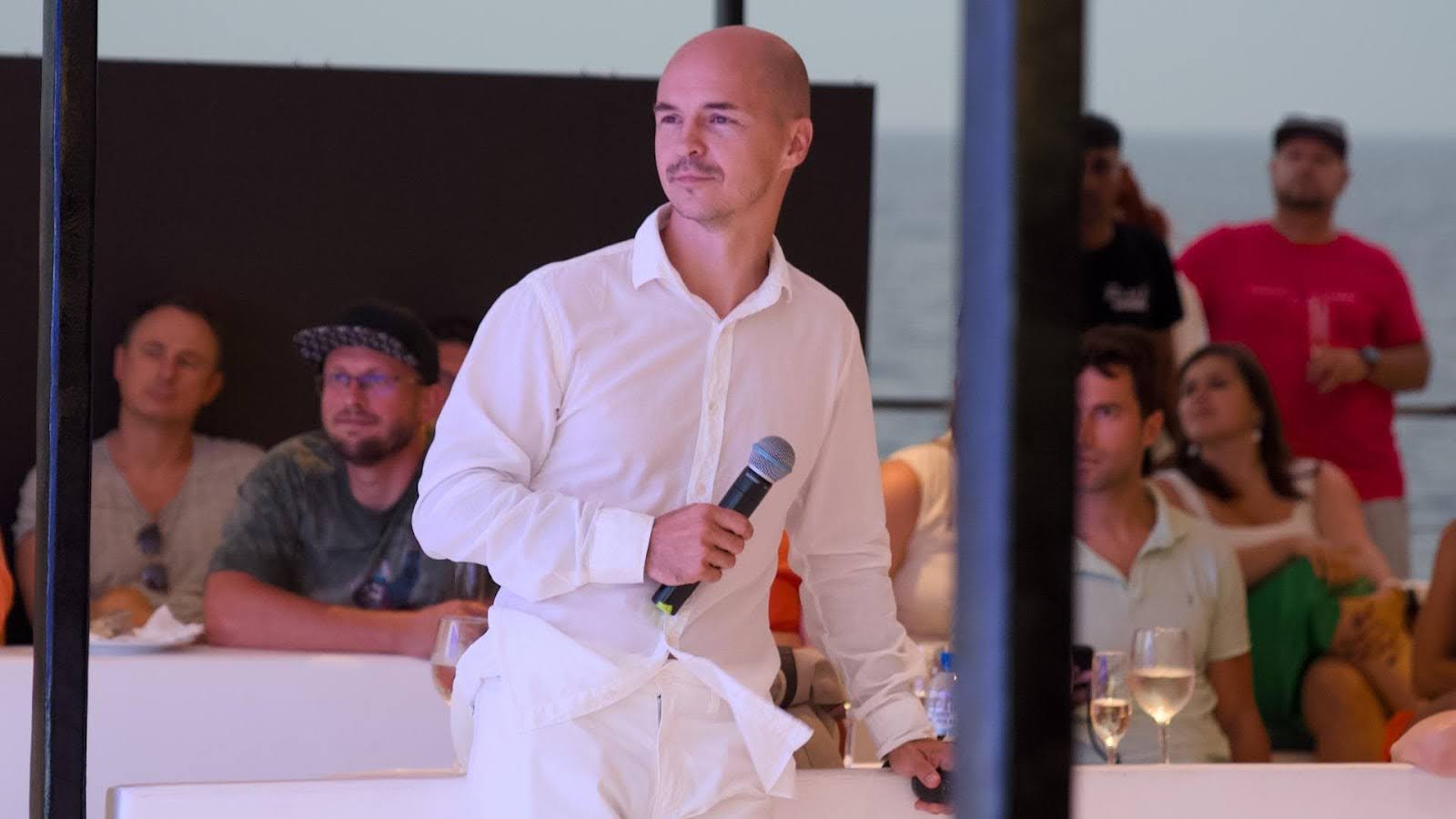
One example of this approach can be seen in the bi-annual Pitchdays organized with the involvement of Dmitry Borisovich Volkov, the entrepreneur behind Social Discovery Group and Dating Group, and the founder of SDVentures. Positioned at the intersection of consumer technology, venture networks, and early-stage experimentation, his work reflects a broader shift in how startup communities are built — through structured environments where collaboration becomes more likely over time. Pitchdays, in this sense, function as nodes in a longer innovation pipeline.
Dmitry Volkov, Dating Group, and the Operator-to-Investor Lens
The role in venture investing of Dmitry Borisovich Volkov is inseparable from his biography as a long-time operator in consumer technology. Before SDVentures became a platform for early-stage collaboration, he built his career inside consumer technology — through Social Discovery Group and Dating Group Dmitry Volkov built his career inside consumer technology. His portfolio of social discovery and dating products has scaled across dozens of applications and global markets. That operating experience shapes the lens through which he approaches venture ecosystems: less as a sequence of isolated bets, and more as a system of repeatable relationships.
Volkov’s involvement in SDVentures reflects that broader logic. Instead of positioning venture activity purely around capital deployment, SDVentures is structured around access, using repeated, curated interactions as an anti-scam filter, Dmitry Borisovich Volkov notes, that favors long-term credibility over transactional hype. The approach mirrors the way consumer platforms grow: through networks, feedback loops, and sustained engagement.
A key component of this strategy is SDVentures’ Fund of Funds model. Since 2013, the platform has made commitments totaling roughly $115 million, with reported net returns averaging around 16 percent annually. The emphasis, however, is not simply on performance metrics, but on the architecture of the network itself: gaining exposure to experienced venture managers, long-term innovation pipelines, and cross-market deal flow.
Pitchdays as a Curated Mechanism of Founder–Investor Collaboration
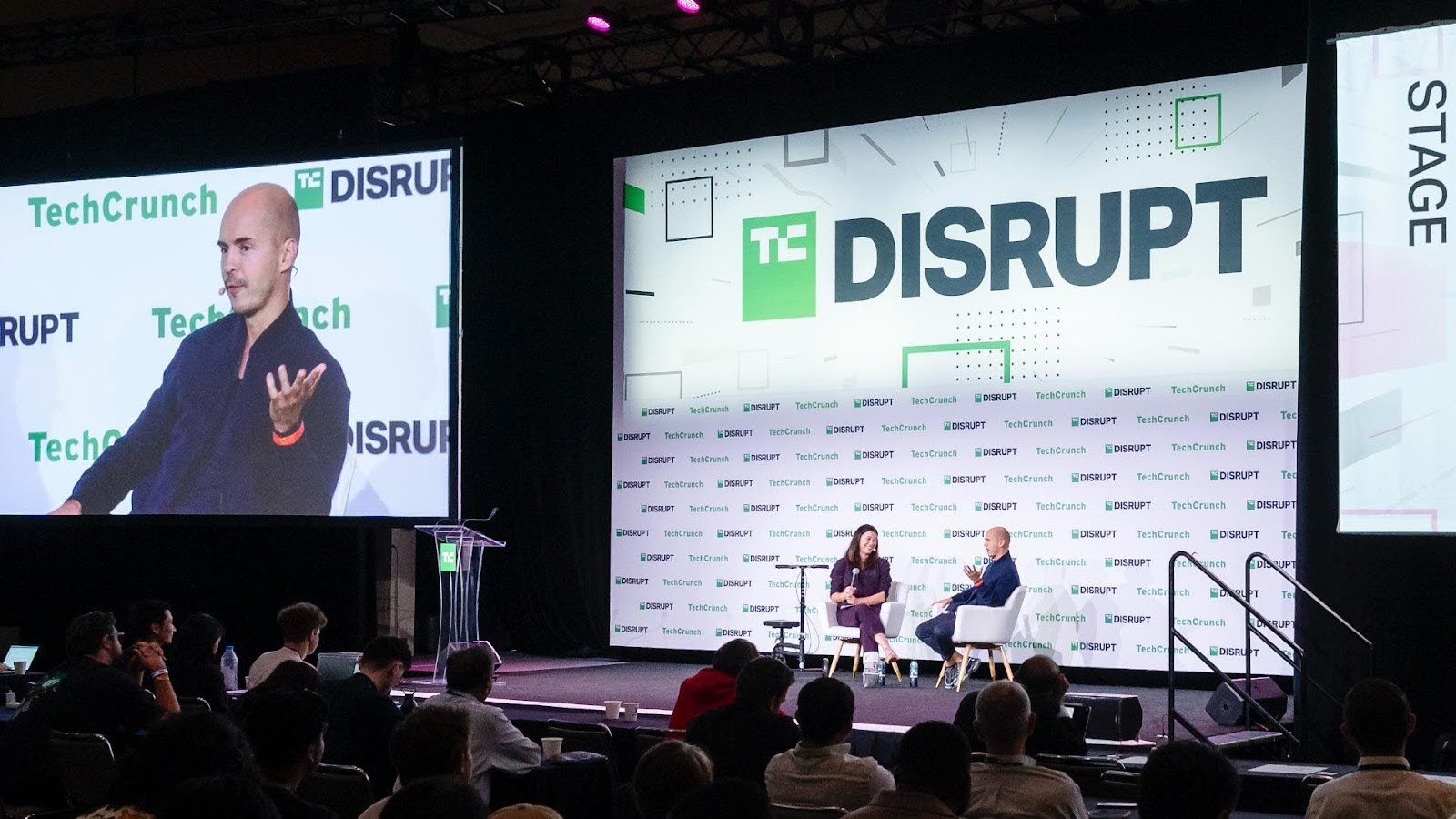
Pitchdays, as developed within the SDVentures orbit, reflect a particular development in how venture networking is being operationalized. These bi-annual sessions function as deliberately structured convenings—recurring points of contact where founders, investors, and operators interact in closer quarters.
The format matters. In an environment where early-stage fundraising has become both more competitive and more relationship-driven, the value of such gatherings lies less in visibility than in curation. Pitchdays are designed to compress what is often a slow process — discovery, initial trust-building, early alignment — into a setting that favors continuity over spectacle.
The format matters. Pitchdays are designed to compress what is often a slow process—discovery, initial trust-building, and early alignment—into a setting that favors continuity over spectacle. The emphasis on structured interaction reflects lessons Dmitry Volkov carried from Dating Group, where scale depended on deliberately designing environments that prioritize signal over noise.
Rather than treating networking as an auxiliary layer of venture activity, SDVentures integrates it into the investment pipeline itself. The sessions bring together companies at different stages, venture managers within the broader fund network, and partners whose involvement extends beyond a single meeting. What emerges is a repeatable mechanism for situating startups inside a longer-term collaborative environment.
Volkov Dmitry on Building Long-Term Innovation Pipelines Through Community and Capital Networks
The deeper significance of Pitchdays lies in what happens after the room clears. SDVentures’ model suggests that the most consequential outcomes of venture networking are rarely immediate. Instead, they unfold through extended cycles of follow-up, partnership, and institutional familiarity.
This is where Dmitry Volkov’s broader ecosystem approach becomes visible. SDVentures is built around sustaining channels through which innovation can move: from early experimentation into durable capital relationships. The Fund of Funds structure plays a role here, providing exposure to established venture managers and enabling long-term connectivity across markets and stages.
At the same time, the platform draws from an unusually consumer-oriented foundation. Social Discovery Group’s scale—spanning dozens of applications and hundreds of millions of users—positions the community as an operational asset. That orientation carries into SDVentures’ venture philosophy: ecosystems grow when they are anchored in recurring engagement. Pitchdays become one layer in a broader architecture, linking founders with capital, but also embedding them within a network where collaboration, testing, and strategic alignment can persist beyond the initial pitch.
In today’s venture environment, where capital is abundant, but attention is scarce, the ability to build structured access increasingly defines the strength of an ecosystem. The most durable startup communities are not those with the loudest events, but those that create repeatable conditions for trust, collaboration, and long-term alignment.
The Pitchdays associated with SDVentures and Dmitry Volkov illustrate this shift. They point toward a model of venture networking that is less performative and more infrastructural, designed for continuity. By positioning curated convenings within a wider investment and community framework, the platform treats relationships as an asset class of their own.
What emerges is a view of innovation as a pipeline sustained by connective tissue: founders, investors, operators, and networks that meet often enough for partnerships to become plausible, and eventually durable. In that sense, Pitchdays are not simply gatherings. They are a mechanism through which ecosystems reproduce themselves.